Labor Day Opens America’s Midterm Sprint as Voting, Jobs and Social Security Take Center Stage
The nation entered a pivotal stretch shaped by an intensifying midterm campaign, high-stakes disputes over voting rules and fresh questions about the direction of the economy. As candidates competed for momentum and policymakers confronted mounting fiscal pressures, a deadly aviation accident in Miami added a major federal investigation to an already consequential news cycle.

By
Sep 7, 2026

Midterm Campaign Enters Its Decisive Final Stretch
Candidates across the country used Labor Day appearances to begin the final phase of campaigning ahead of the November 3 midterms. The fight for the Senate, once viewed as more favorable to Republicans, has become increasingly competitive, with Democrats looking beyond traditional battlegrounds as voter dissatisfaction over the economy puts additional pressure on the governing party.
Democrats need a net gain of four Senate seats to secure a majority and are pursuing opportunities in states including Maine, North Carolina, Texas and Iowa while defending vulnerable territory of their own. Republicans, meanwhile, are preparing an aggressive closing campaign in which President Donald Trump is expected to play a central role. The stakes extend beyond legislation: Senate control would determine which party has leverage over judicial and executive-branch confirmations during the final two years of Trump’s term.
Labor organizations were particularly visible Monday. In Maine, Democratic Senate nominee Troy Jackson appeared with union members as he campaigns against Republican Sen. Susan Collins, while candidates in Georgia, Wisconsin and other battlegrounds attended Labor Day events. Early voting has already begun in North Carolina, adding urgency to the campaign.
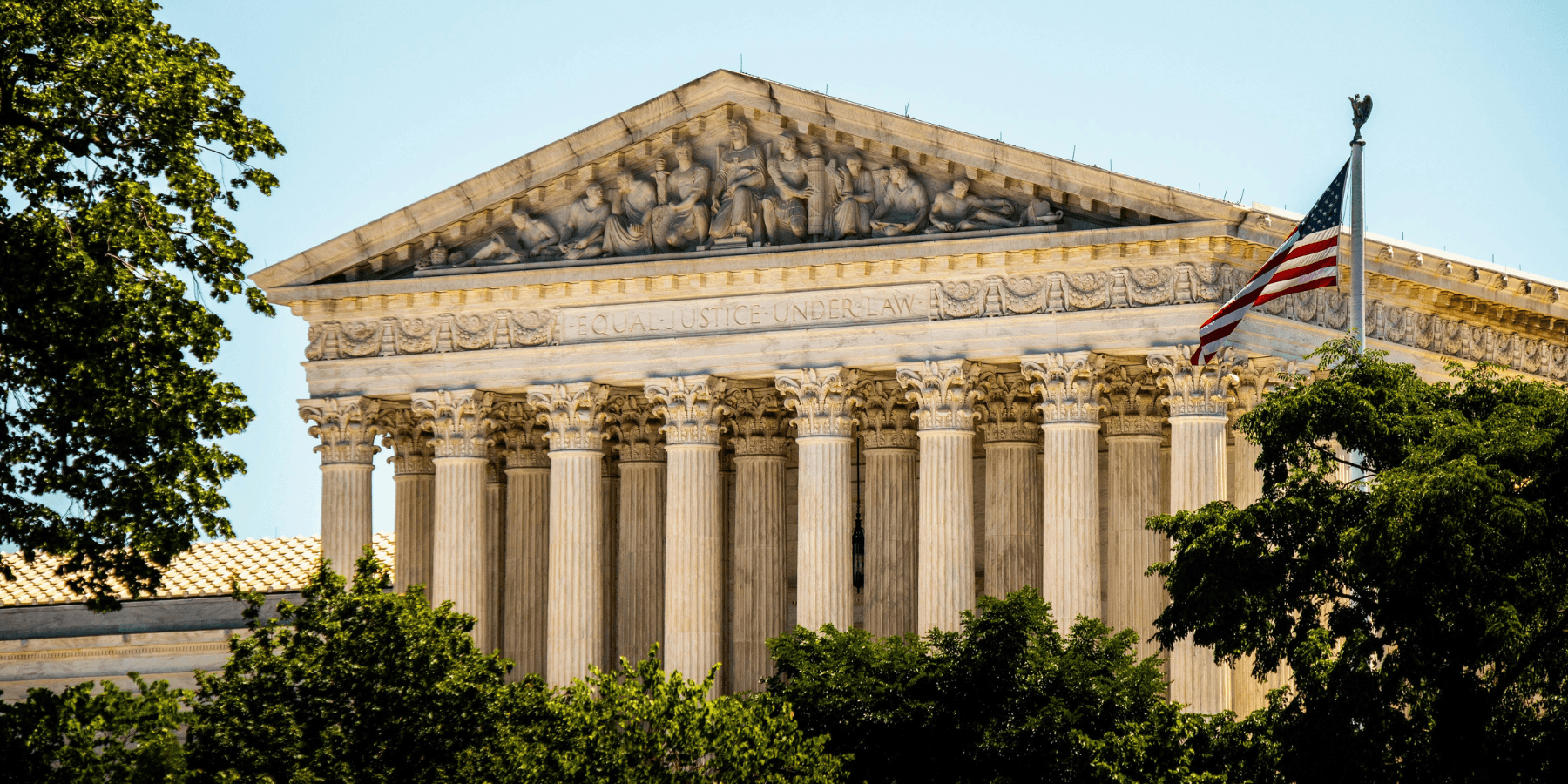
Supreme Court Faces Escalating Fight Over Mail Ballots
A major election-law dispute moved toward the Supreme Court as the Trump administration pressed the justices to allow new restrictions affecting mail voting before November. The administration renewed its request after U.S. District Judge Indira Talwani extended an order preventing the U.S. Postal Service from enforcing provisions of Trump’s executive order governing mail ballots.
The timing has made the case particularly consequential. North Carolina has already begun mailing ballots, with Alabama and several other states scheduled to follow shortly. Solicitor General John Sauer argued that leaving the injunction in place could create confusion as millions of ballot envelopes enter the postal system. Opponents, including Democratic-led states and voting-rights organizations, contend that the administration is exceeding federal authority and imposing rules that could disenfranchise eligible voters.
The dispute places the Supreme Court in a potentially pivotal position less than two months before an election that will determine control of Congress.

Photo Credit: Sara Groblechner / Unsplash
Labor Day Economy Shows Stronger Jobs — but Inflation Remains the Test
The holiday arrived with unexpectedly encouraging employment figures. The Bureau of Labor Statistics reported Friday that employers added 162,000 jobs in August while the unemployment rate remained at 4.1 percent. June and July payroll figures were also revised upward by a combined 55,000 jobs, easing concerns that the labor market had entered a sharper downturn.
Average hourly earnings increased 0.3 percent during August and 3.1 percent from a year earlier. Job gains were concentrated partly in food services and drinking places and local government education, while employment declined in the information sector.
Attention now shifts from employment to inflation. Producer-price data are scheduled for Thursday and the Consumer Price Index for Friday, immediately ahead of the Federal Reserve’s September 15–16 meeting. Those reports could prove crucial in determining whether policymakers prioritize persistent price pressures or risks to economic growth.
Photo Credit: Andy Feliciotti / Unsplash
Social Security Crisis Pushes Republicans Toward a Tax Debate
A significant shift is emerging in Washington over Social Security as the program approaches a projected financing shortfall. Some Republican lawmakers are signaling willingness to consider additional tax revenue — an unusual departure from decades of GOP resistance to tax increases — as part of a bipartisan effort to protect benefits.
Sen. Bernie Moreno of Ohio has joined Democratic Sen. Elizabeth Warren of Massachusetts in proposing elimination of the payroll-tax income cap, requiring higher earners to pay Social Security taxes on all of their wages. House Appropriations Committee Chairman Tom Cole of Oklahoma has likewise said additional revenue should be considered alongside possible spending changes.
The urgency is substantial. Social Security serves more than 70 million Americans, and its trust fund is projected to be depleted in 2032 under current estimates cited by The Washington Post. Without congressional action, incoming payroll taxes would be insufficient to maintain scheduled benefits, potentially producing an automatic reduction. The emerging debate could therefore become one of Washington’s most consequential fiscal battles after the midterms.

Photo Credit: Hector Ossa J./Wikimedia (Cropped)
Investigators Examine Deadly Amazon Cargo Jet Crash in Miami
Federal investigators spent Labor Day examining the wreckage of an Amazon Air cargo aircraft that crashed after landing at Miami International Airport on Sunday, killing five people and injuring five others. The Boeing 767, operated by 21 Air, overran the runway after arriving from San Juan, Puerto Rico, struck airport equipment and vehicles, and came to rest beyond the airport grounds.
The National Transportation Safety Board is examining the aircraft’s speed, weather, mechanical systems, pilot decisions and runway safeguards. Investigators have recovered the aircraft’s flight recorders, while a large NTSB team is documenting the accident scene. Officials have not determined a probable cause, and the investigation is expected to continue well beyond the initial on-site examination.
The crash caused significant disruptions at one of the nation’s busiest airports and renewed scrutiny of protections designed to reduce the consequences of runway overruns.
Looking Ahead
The holiday gives way to a consequential week for both politics and the economy. Inflation reports will sharpen expectations for the Federal Reserve’s September meeting, while the Supreme Court faces mounting pressure to clarify mail-ballot rules as states begin distributing election materials. Meanwhile, candidates will accelerate campaigning in an increasingly fluid battle for Congress, lawmakers will confront difficult choices over Social Security’s finances, and federal investigators will continue working to establish what caused the fatal Miami cargo-plane crash.