
Liam Legault on Building Brands From the Ground Up
From a borrowed camera at Miami Swim Week to international fashion coverage, Liam Legault built his brands through creativity, adaptability and conviction.
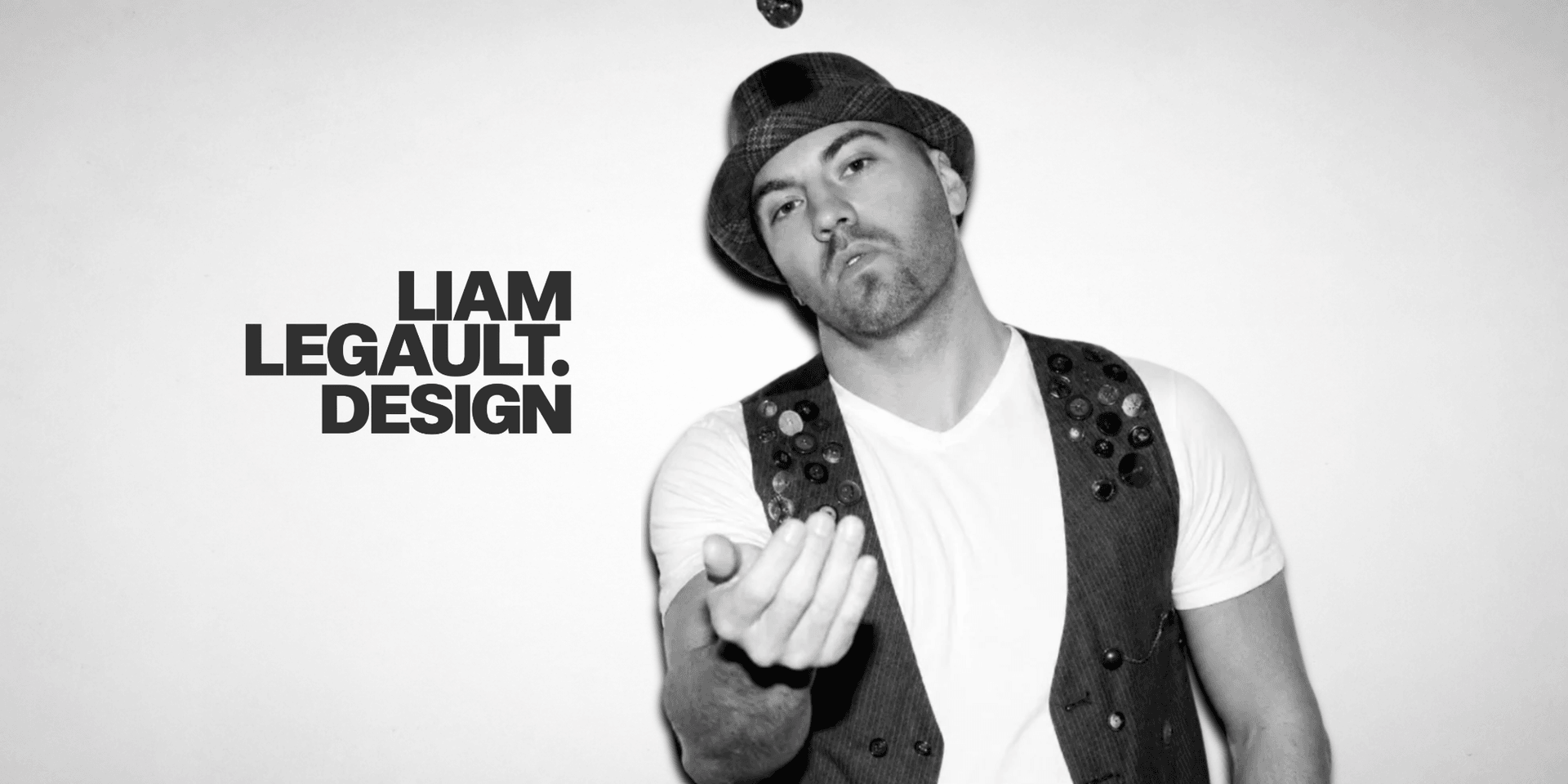
Liam Legault arrived at Miami Swim Week with Cult Luxury's silk accessories, a camera borrowed from his friend Elliott back in Canada, and a plan to introduce his brand to a new audience.
He had travelled alone. Sitting at a merchandise table, he soon realised the room was filled largely with models, publicists and brands. The opportunity was different from the consumer sales environment he had imagined.
So he changed his approach.
Legault began inviting models he wanted to photograph to shoot with Cult Luxury. By the end of the first day, he had photographed 25. He used the camera’s automatic settings, trusting his artistic eye while learning the equipment.
What followed was controlled chaos. Models lined up. Some attendees assumed he was running the event.
He matched that momentum with follow-through. Each night, Legault edited the photographs and delivered them to the businesses behind the event. The quick turnaround gave organisers and models images to share while the experience was still fresh, bringing Cult Luxury into the event’s wider conversation.
He was discovering something beyond a new skill: people responded to his direction, and the wearable artwork gave them a reason to participate.
“Always be a sponge, until it’s time to be a blade.”
For Legault, the saying describes a working discipline: absorb what is happening around you, recognise where you can contribute, then act with purpose.
Learning by Entering the Room
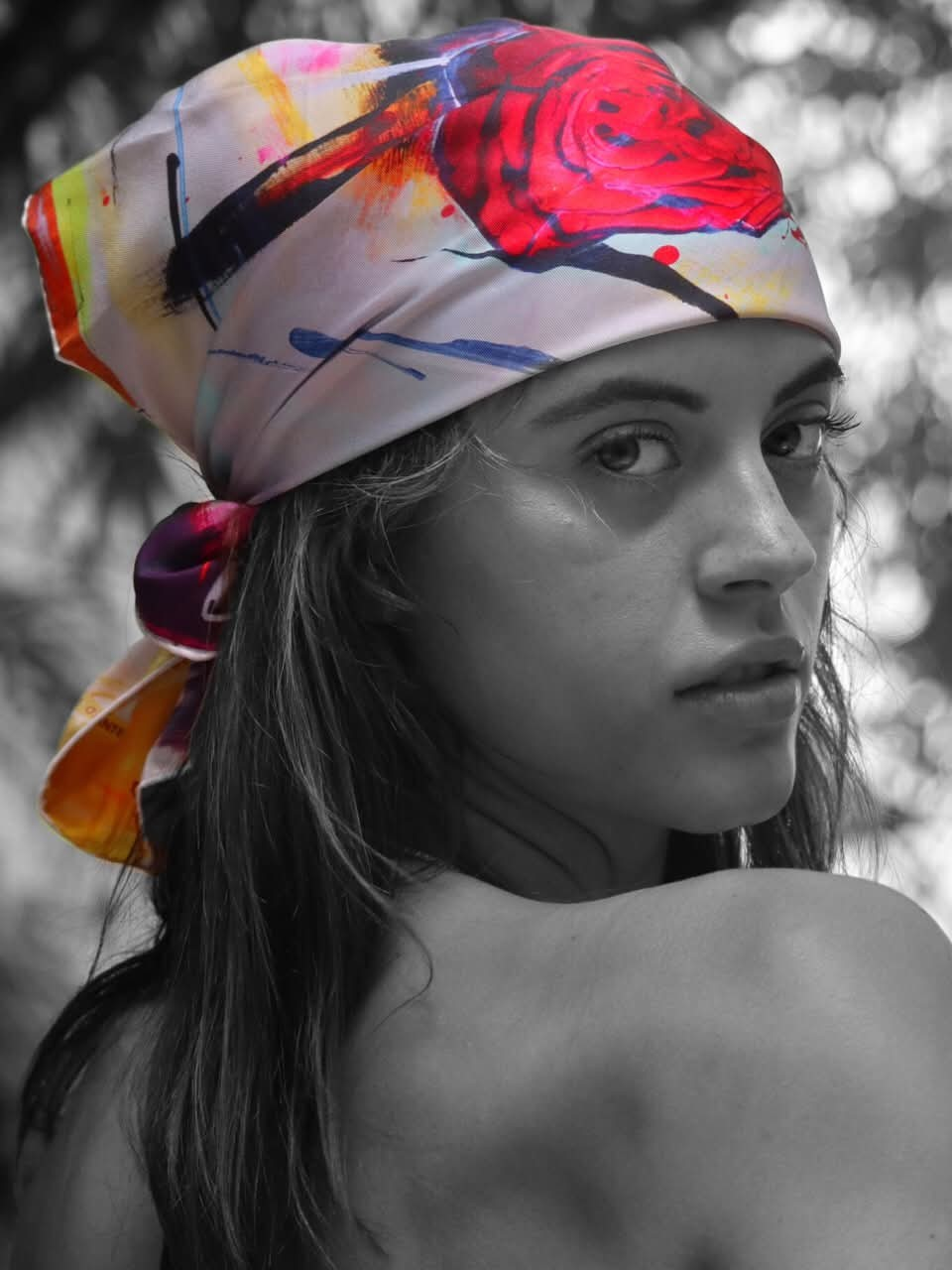
In Miami, Legault also met Charles, known professionally as The Runway Authority, a photographer who introduced him to some of the rules and pressures of shooting a runway.
The photographers’ pit was its own education: crowded positions, competing cameras and a show that could be over in minutes. Observation mattered. So did preparation, timing and respect for the people already working there.
Legault continued developing his photography in the years that followed. His own photographs would later appear in Glamour and Vanity Fair.
The relationships and experience gained through those early events helped open further opportunities, including Fashion Week Brooklyn and an invitation to attend a runway event at New York’s Playboy Club.
Each setting required him to learn something new. Each also revealed how his existing skills could contribute.
He had built Cult Luxury’s original artwork and brand identity. Photography became another way to shape its presentation—and another capability he could bring to future projects.
A Creative Umbrella With Practical Foundations
Today, Liam Legault Design is the agency and creative umbrella connecting his personal art practice, client projects and independent ventures, including Cult Luxury and Wolves Cry.
Its scope reflects the responsibilities he encountered building his own businesses: artwork, product development, visual identity, language, websites, marketing and public relations.
Learning across those disciplines taught him how closely the decisions depend on one another. A compelling image needs a suitable product. A campaign needs an offer people understand. A website needs to support what customers actually want to do.
For clients, his experience provides a creative partner who has faced those questions with his own investment and reputation involved.
The work begins with understanding the business, its audience and the promise it can deliver.
From Original Art to International Fashion
Cult Luxury translates Legault’s original artwork into luxury silk accessories under the philosophy “Fine Art on Fine Fabric” and a spirit of “Rebellious Elegance.”
Building it required more than designing a scarf. He developed the art, the product’s visual world and the ways it would be photographed, presented and introduced to people.
The brand’s history includes a Fashion Week Brooklyn runway presentation and appearances in Harper’s Bazaar, Glamour, Vanity Fair, GQ and Rolling Stone.
Those milestones represent different collaborations and contributions, including accessories featured in editorials and Legault’s own photography. Together, they form part of a portfolio built through making, learning and following opportunities through.
Wolves Cry brings that experience into independent streetwear. Its graphic language, music connections and statements—“Independent Since Day One” and “Built by creatives. For creatives.”—address a different community.
The brands retain distinct identities. Legault’s role is to understand what gives each one meaning and carry that through the work.
The Language Must Reach the Experience
His thinking also extends to service businesses.
In his work supporting Horizon Moving & Transportation, “Neighbours helping neighbours” expresses a promise customers should recognise in practice: how an enquiry is answered, a quote explained, belongings handled and concerns addressed.
For Legault, business language becomes powerful when people know how to act on it.
“You can be hungry and still be tone-deaf,” he says. “Ambition doesn’t excuse you from listening.”
Customer questions can improve website content. Sales conversations can reveal an unclear offer. Feedback can expose where an experience falls short.
Those observations create a continuing cycle of learning and adjustment. Content becomes more useful because it comes from understanding the business and the people it serves.
Knowing When to Change
Adaptability has also required personal work.
“The hardest part was recognising the ego hidden inside pride,” Legault says. “You can care so much about what you’ve built that you stop seeing what needs to change.”
Founders invest identity as well as money in their ideas. Research or feedback can challenge decisions they have spent months defending.
Legault believes the response matters. Sometimes a message needs refining. Sometimes a product needs development. Sometimes the evidence calls for a larger change.
Miami provided an early example: staying behind the merchandise table would have meant overlooking the opportunity in front of him.
His commitment to continuing has grown alongside a willingness to reconsider how he moves forward.
Building People Into the Vision
Mentoring has been a substantial part of Legault’s work. Helping others develop their judgment has shaped his approach to leadership.
A task can be explained quickly. Understanding why a standard matters takes discussion, practice and feedback.
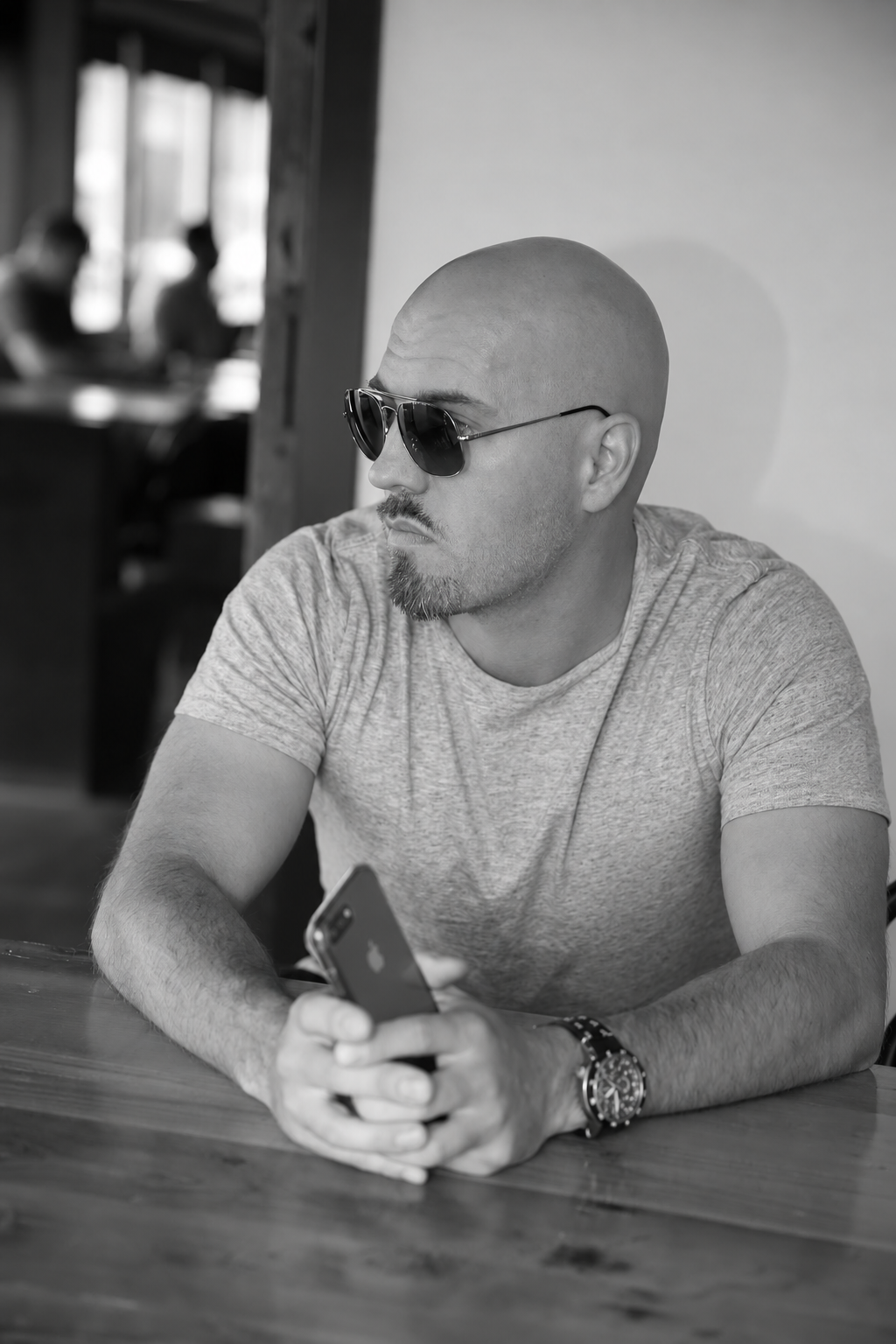
He wants people to develop enough confidence and knowledge to succeed independently. Inside a business, that means making the founder’s expectations clear enough for others to carry them forward.
“Trust is earned, not deserved,” he says.
It is built through repeated actions, including the care given to customers, collaborators and the people learning alongside him.
Taking Care of What You Build
“Once you’ve built the castle, the grounds still need tending, the people need feeding and the gardens need watering.”
The image captures Legault’s view of ownership. Recognition brings responsibility. A strong launch needs follow-through. Relationships need attention.
Through Liam Legault Design, he applies those lessons to creative direction, branding, design and marketing projects.
He remains a dreamer, with a growing respect for patience and the practical work ambition requires.
“Never giving up means continuing to learn,” Legault says. “You have to be willing to change if you want the vision to keep growing.”
Explore Liam Legault Design’s portfolio, including Cult Luxury and Wolves Cry. For creative direction, branding and design enquiries, contact liam@cultluxury.com.