Maritime Tensions Abroad, Legal Battles at Home, and Summer Storms Test the Nation
The United States entered the second half of July balancing escalating international security concerns with a series of consequential domestic developments. Military tensions in the Middle East, ongoing legal disputes involving the federal government, immigration enforcement controversies, and severe weather all shaped the national landscape. Meanwhile, bipartisan efforts in Congress continued to focus on housing affordability, offering one of the few areas of cross-party cooperation.

Bipartisan Housing Legislation Advances Despite White House Objections
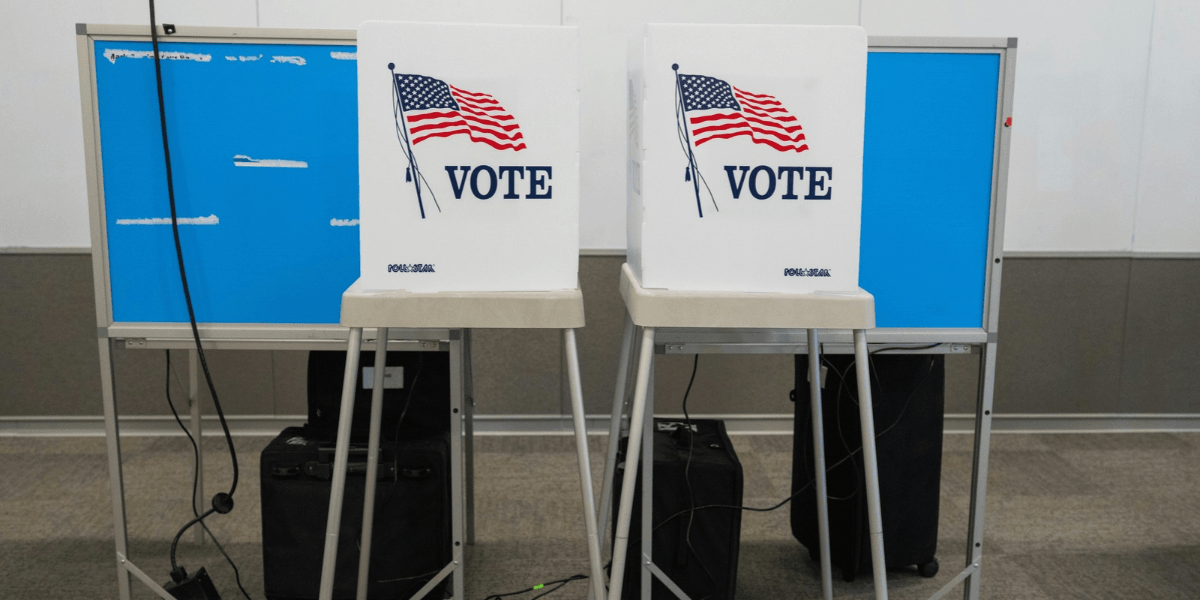
A bipartisan housing affordability bill remained a major focus in Washington after clearing Congress. The legislation is designed to expand the nation's housing supply, streamline development, and address rising home prices and rental costs that have affected communities across the country. Although President Donald Trump criticized the measure and declined to sign it, the bill is expected to become law without his signature under constitutional procedures.
Supporters described the legislation as a meaningful step toward easing the nation's housing shortage, while critics questioned whether its provisions would produce significant near-term improvements. The debate underscored the growing bipartisan recognition that housing affordability has become a pressing national economic issue.
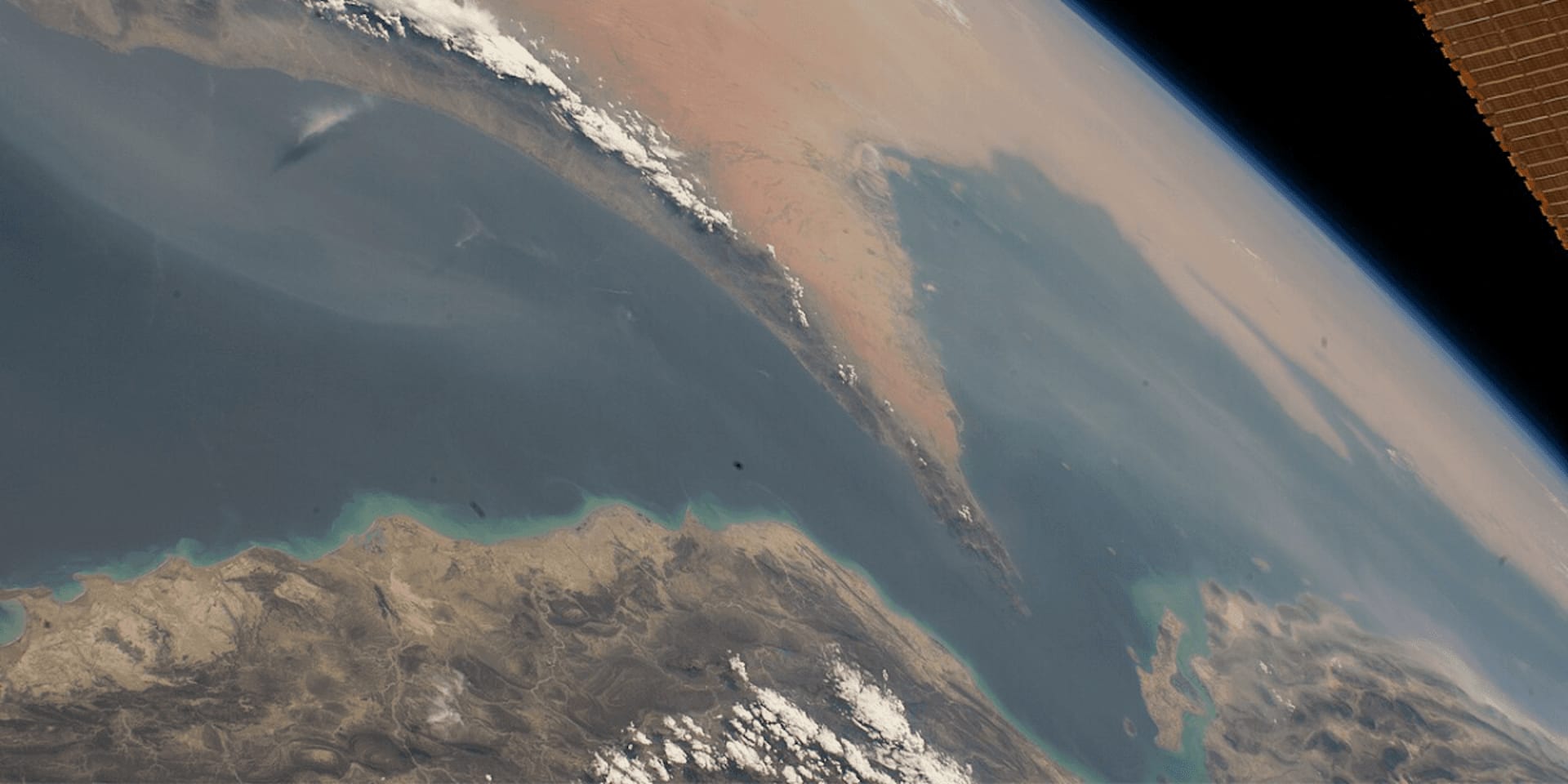
Photo Credit: NASA/Wikimedia
U.S.-Iran Confrontation Escalates in the Strait of Hormuz
Military tensions intensified after renewed attacks involving commercial shipping in the Strait of Hormuz. The United States launched additional military strikes against Iranian targets, stating that the operations were intended to protect civilian maritime traffic through one of the world's most important energy corridors.
President Donald Trump announced plans for a significantly expanded U.S. maritime response, including a proposed blockade of Iranian vessels and new security measures for commercial shipping. The announcement drew immediate international attention, with allies and international organizations warning that any disruption to shipping through the Strait of Hormuz could have substantial consequences for global energy supplies and international trade.

Photo Credit: U.S. Immigration and Customs Enforcement/Wikimedia
Immigration Enforcement Remains Under National Scrutiny
Federal immigration enforcement continued to generate controversy following a fatal ICE shooting in Maine that prompted demonstrations and renewed calls for greater transparency and oversight. The incident remained under review as lawmakers and advocacy groups sought additional information about the circumstances surrounding the operation.
The case became another focal point in the broader national debate over immigration enforcement. Supporters of the administration defended aggressive enforcement measures as necessary for public safety, while critics argued the incident highlighted concerns about accountability and the conduct of federal immigration officers.
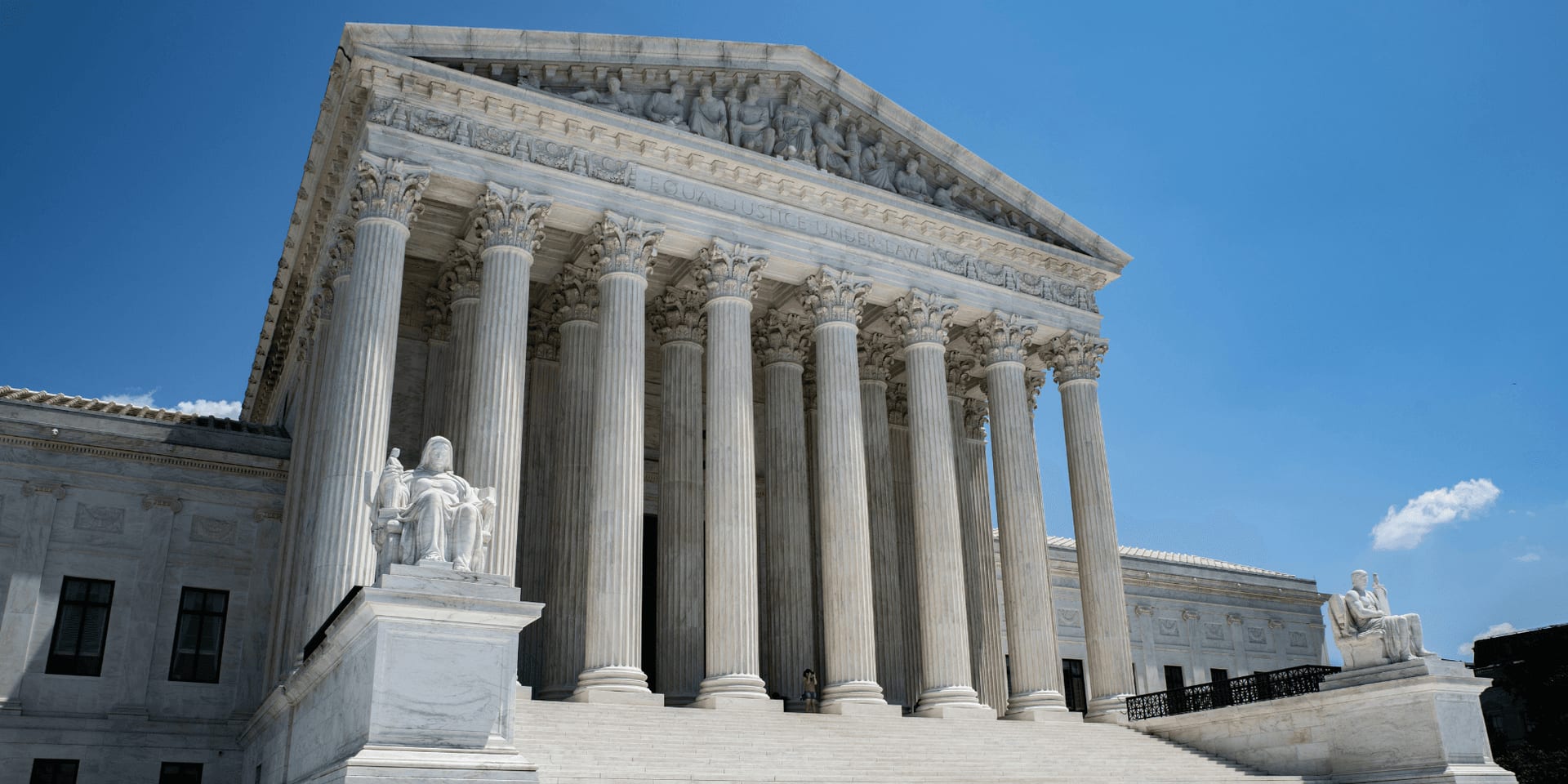
Photo Credit: mana5280/Unsplash
States Continue Legal Battles Over Federal Health Policy
A coalition of states continued pursuing legal challenges to recently implemented federal Medicaid regulations. State attorneys general argued that the new rules exceed federal authority and could create significant financial and administrative burdens for state healthcare systems.
The lawsuits represent the latest chapter in ongoing disputes between state governments and Washington over healthcare administration. The eventual court decisions could influence Medicaid policy nationwide and affect millions of Americans who rely on the program.

Photo Credit: Christopher/Unsplash
Flooding and Severe Weather Impact Communities Across Missouri
Heavy rainfall triggered dangerous flash flooding across parts of Missouri, leaving at least one person dead and forcing emergency crews to rescue approximately 200 campers trapped by rapidly rising waters. Local officials issued evacuation orders as rivers and streams quickly overflowed following intense storms.
Emergency management agencies continued monitoring conditions while warning residents that additional rainfall could produce further flash flooding. The disaster added to a growing list of severe weather events affecting communities across the country during the height of the summer storm season.
Looking Ahead
Attention in the coming week will remain focused on the evolving U.S.-Iran confrontation and its potential impact on global shipping, energy markets, and diplomatic efforts. Domestically, implementation of the new housing legislation, continued litigation over federal healthcare policies, and renewed scrutiny of immigration enforcement are expected to remain at the forefront. Emergency officials will also continue monitoring severe weather as flood risks persist across parts of the Midwest.