
Markets Rally on Ceasefire Signals as U.S. Faces Security, Labor, and Political Pressures
The United States saw a mix of economic optimism and domestic tension, as global developments and internal challenges shaped the national landscape. Markets reacted positively to signs of easing conflict in the Middle East, while political, security, and labor issues continued to unfold at home. Together, these developments highlight a country navigating both opportunity and uncertainty.
Markets Rally as Iran Ceasefire Signals Lift Economic Outlook
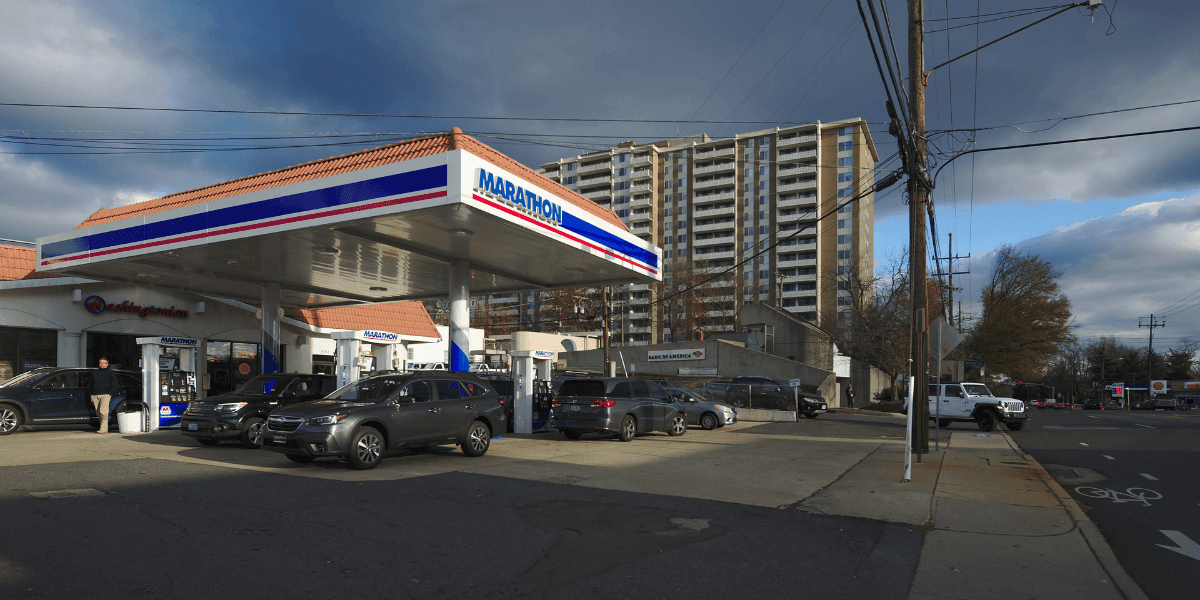
U.S. financial markets posted strong gains Wednesday following reports of potential ceasefire progress involving Iran. Oil prices dropped significantly amid expectations that key shipping routes, including the Strait of Hormuz, could reopen, easing global supply concerns.
The decline in fuel prices offered relief to consumers after recent spikes, with gas prices having climbed sharply in previous weeks. Analysts noted that even tentative diplomatic movement can boost investor confidence, especially after prolonged geopolitical instability.
However, uncertainty remains. U.S. officials have indicated that negotiations are ongoing, and a lasting agreement has not yet been secured, leaving markets sensitive to further developments.
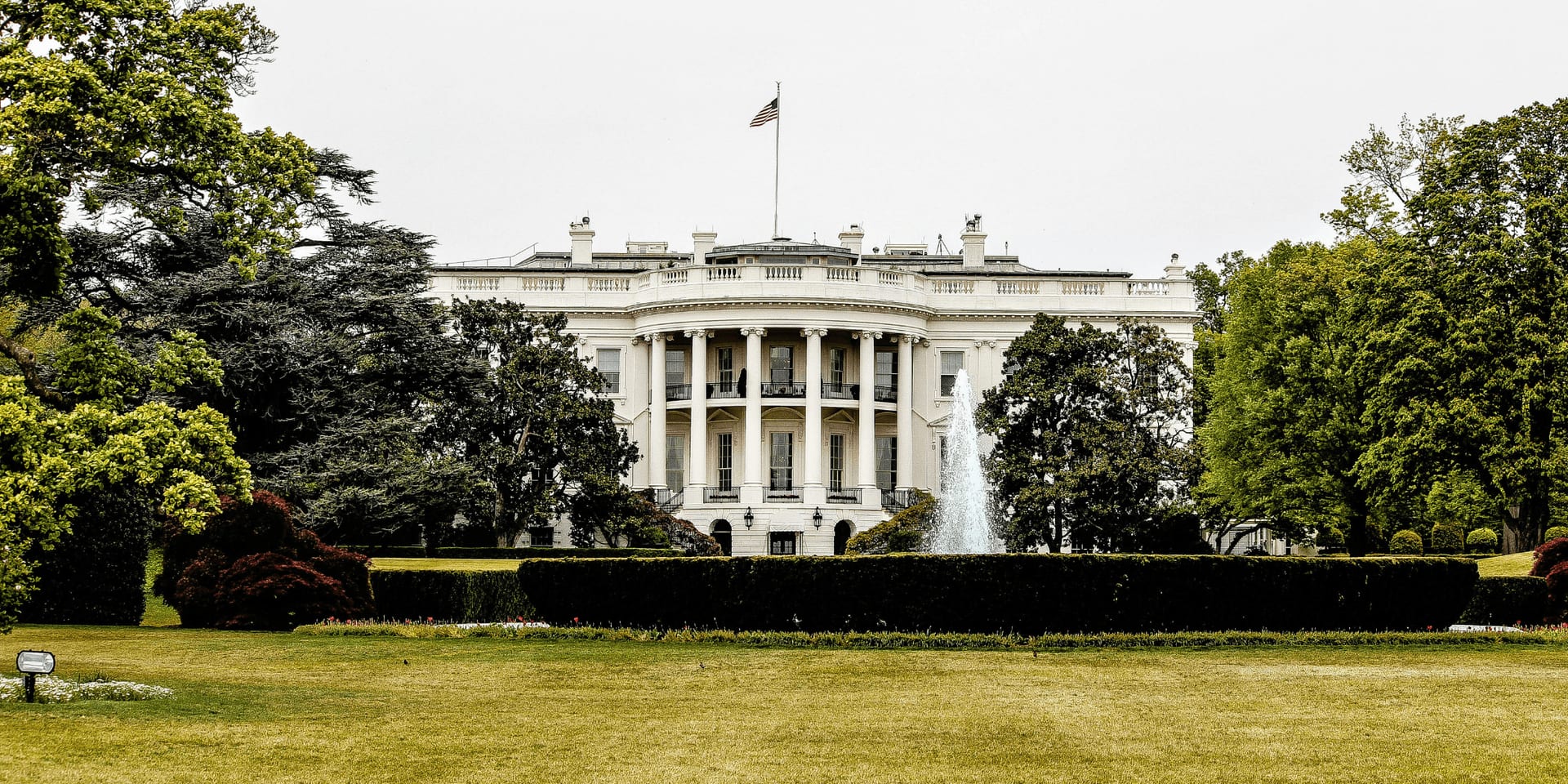
Photo Credit: René DeAnda/Unsplash
White House Security Incident Prompts Review
A recent shooting near the White House continues to raise concerns about security in Washington. Law enforcement engaged an armed suspect near the Washington Monument following reports of gunfire, resulting in injuries to both the suspect and a bystander.
The incident occurred while the president was inside the White House, intensifying scrutiny over how such a breach could happen so close to a highly secured area. Federal agencies are now reviewing the incident to assess whether additional protective measures are needed.
The event has also renewed broader discussions about public safety and security preparedness in major urban and government areas.

Photo Credit: Kelly Sikkema/Unsplash
Midterm Election Dynamics Begin to Take Shape
The 2026 midterm elections are beginning to come into clearer focus, with early polling suggesting a competitive political environment. Democrats appear to hold a slight national edge, while Republicans face challenges tied to shifting approval ratings and key policy debates.
Battleground states such as Georgia, Michigan, and North Carolina are expected to play pivotal roles in determining control of Congress. Recent primary elections have started to define candidate matchups, setting the stage for closely contested races later this year.
Voter concerns about the economy, immigration, and leadership are expected to dominate campaign messaging as both parties work to mobilize support.

Photo Credit: Janay Peters/Unsplash
Labor Protests Highlight Economic Frustration
Labor demonstrations tied to International Workers’ Day have drawn attention to ongoing economic concerns across the country. Organized under the banner of “May Day Strong,” protests included marches and coordinated actions advocating for higher wages and stronger worker protections.
Participants emphasized issues such as housing affordability, healthcare access, and job security, reflecting broader concerns about economic inequality. The involvement of unions, students, and advocacy groups has expanded the scope of the movement.
These protests underscore underlying tensions that could influence both policy discussions and voter behavior in the months ahead.

Photo credit: NAVCENT Public Affairs/Wikimedia
Military Tensions Persist Despite Diplomatic Efforts
Despite signs of potential diplomatic progress, U.S. military forces remain on high alert in the Middle East. The United States has maintained a significant presence in the region amid ongoing concerns about Iran’s activities and regional stability.
Officials from both sides have indicated that while negotiations continue, the possibility of renewed conflict has not been ruled out. This dual track of diplomacy and military readiness reflects the fragile nature of the current situation.
Global markets and policymakers alike remain closely attuned to developments, given the far-reaching implications for energy supplies and international security.
Looking Ahead
In the coming days, attention will focus on whether ceasefire talks can deliver a stable agreement and sustain economic momentum. At home, investigations into the White House security incident and continued labor activism may shape national debate. Meanwhile, the evolving midterm election landscape will increasingly define the political trajectory as candidates and voters prepare for a consequential election season.