Markets Steady as Global Tensions Rise and Travel Chaos Grips the Nation
A powerful convergence of extreme weather, global instability, and economic uncertainty defined the national landscape. Millions of Americans faced disruptions from a sweeping storm system, while policymakers and financial markets reacted to escalating tensions abroad. Against this backdrop, key economic signals and seasonal milestones added further complexity to the day’s developments.

Air Travel Struggles Intensify Amid Partial Government Shutdown
The ongoing partial federal government shutdown is exacerbating travel challenges, particularly within the aviation system. TSA agents and air traffic controllers are working without pay, contributing to staffing shortages that have slowed security processing and increased delays.
Airline executives have publicly urged Congress to intervene, calling the situation untenable for both workers and passengers. The combination of labor strain and severe weather has created a cascading effect, exposing vulnerabilities in the nation’s travel infrastructure at a critical moment.

Massive Storm System Disrupts Travel and Threatens Multiple Regions
A sprawling and dangerous March storm system continued to batter large portions of the United States, bringing blizzard conditions to the Midwest and severe thunderstorms to the East Coast. Meteorologists warned that the system—described as a “triple-threat megastorm”—could impact nearly 200 million people, combining heavy snow, high winds, and potential tornado activity.
The storm’s impact on transportation has been severe. Thousands of flights were canceled or delayed nationwide, with major hubs such as Chicago O’Hare, LaGuardia, and Atlanta experiencing significant disruptions. Long security lines and overcrowded terminals compounded frustrations, especially as federal aviation workers continued operating under strain.
Global Conflict Drives Oil Prices Higher and Raises U.S. Concerns
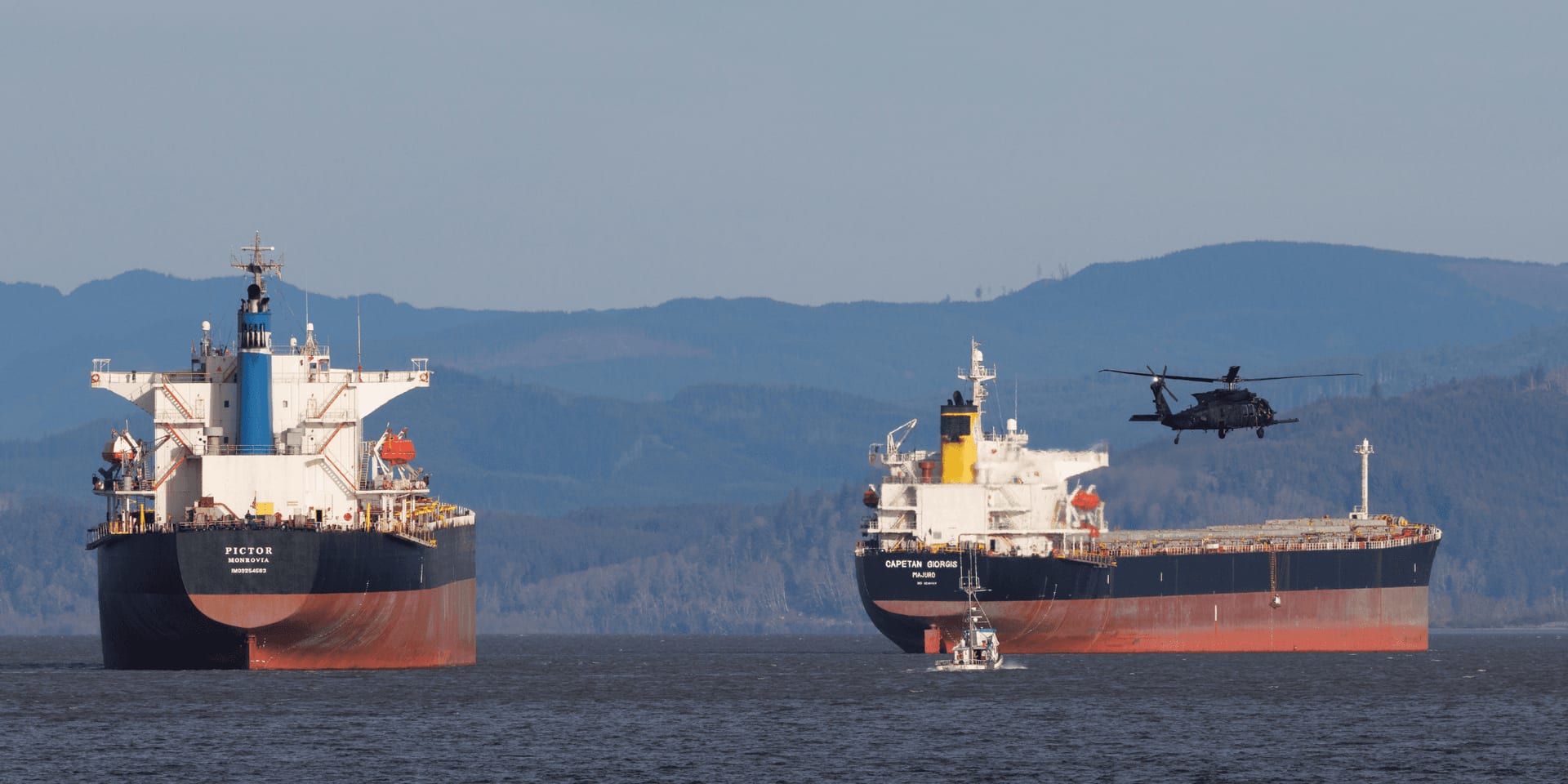
Escalating conflict in the Middle East—particularly involving Iran, Israel, and U.S. interests—continues to reverberate across the American economy. The closure of the Strait of Hormuz has pushed oil prices sharply higher, with crude rising more than 40% since late February.
U.S. officials are seeking international support to secure shipping routes, though efforts have met resistance from allies. Meanwhile, recent strikes and retaliatory actions in the region, including attacks near U.S. diplomatic sites, have heightened concerns about broader instability and its implications for American security and energy markets.

Markets Show Cautious Stability Ahead of Federal Reserve Decision
Despite geopolitical tensions, U.S. financial markets showed relative stability. Stock futures were largely flat following recent gains, as investors weighed the impact of rising oil prices against signs of resilience in the broader economy.
Attention is now focused on the Federal Reserve’s two-day policy meeting, which began today. Analysts widely expect the central bank to hold interest rates steady, even as inflationary pressures persist. The decision—and accompanying guidance—could shape market direction in the coming weeks, particularly as energy costs and global risks remain elevated.

March Madness Tips Off, Offering a Moment of National Focus
Amid the day’s challenges, the start of the NCAA men’s basketball tournament provided a cultural counterpoint. The 2026 tournament officially begins today with the First Four games in Dayton, launching one of the most widely followed sporting events in the country.
Selection Sunday over the weekend finalized the 68-team bracket, setting the stage for weeks of competition that will culminate in early April. As in years past, March Madness is expected to draw massive national viewership, offering a shared experience during a period otherwise dominated by uncertainty.
Looking Ahead
The days ahead will test the nation’s resilience on multiple fronts. The storm system is expected to continue moving east, potentially bringing additional severe weather and travel disruptions. In Washington, pressure is mounting to resolve the government shutdown and stabilize federal operations. Meanwhile, the Federal Reserve’s forthcoming decision will be closely scrutinized for clues about the economic path forward.
Internationally, the trajectory of the Middle East conflict—and its impact on energy markets—remains a central concern. As these developments unfold, Americans will be watching for signs of stability in both domestic systems and the global stage.