Midterm Battles, Court Rulings and Economic Strains Test Washington
Midterm politics intensify as major court rulings reshape key battles, while inflation, energy costs and market pressures cloud the U.S. outlook.
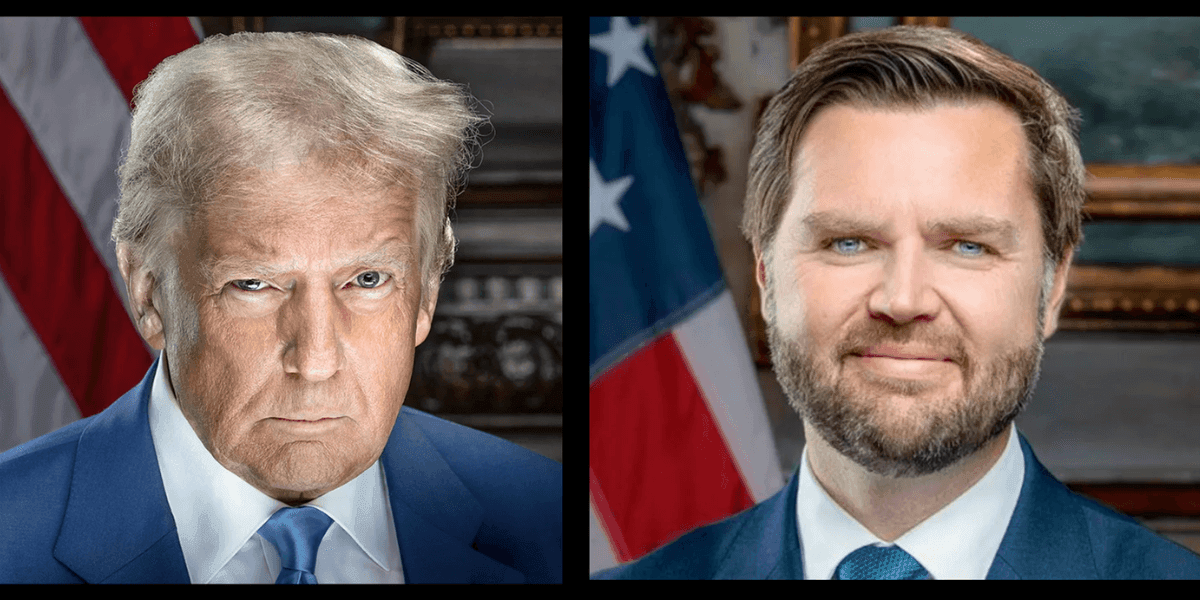
Trump and Vance Rally Republicans Ahead of the Midterms
Trump and Vance closed the Republican Party’s midterm convention in Dallas on Thursday, using the gathering to urge GOP voters to preserve the party’s congressional majorities. The event highlighted Trump’s continued dominance of the Republican Party while also giving Vance a prominent platform as a potential successor to the MAGA movement in 2028.
Trump urged supporters to turn out in November and promoted the administration’s record on immigration, taxes and the economy. He also reiterated a proposal to provide $5,000 to every American adult if Republicans retain control of Congress, a plan that would require congressional authorization and could cost more than $1 trillion. Republicans are entering the final stretch of the campaign facing the historical tendency for the president’s party to lose congressional seats during midterm elections.

Photo Credit: Infrogmation / Wikimedia (Cropped)
Oil Surge Rekindles Inflation and Interest-Rate Fears
Economic concerns intensified as Brent crude jumped 6.3% and briefly exceeded $108 a barrel, its highest level since May. The continuing U.S. conflict with Iran and disruptions to Middle Eastern oil flows have driven Brent sharply higher from below $72 in early July. The national average price of regular gasoline has consequently climbed to nearly $4.28 a gallon, about 34% above its level a year earlier.
Those energy pressures are feeding directly into the inflation debate. U.S. wholesale inflation accelerated to 5.4% in August from 4.8% in July. Investors responded by increasing expectations that the Federal Reserve could raise interest rates at its next meeting, while the 10-year Treasury yield jumped to 4.95%. Wall Street suffered a fourth consecutive decline, with the S&P 500 falling 0.6%, the Dow dropping 316 points and the Nasdaq losing 0.7%.
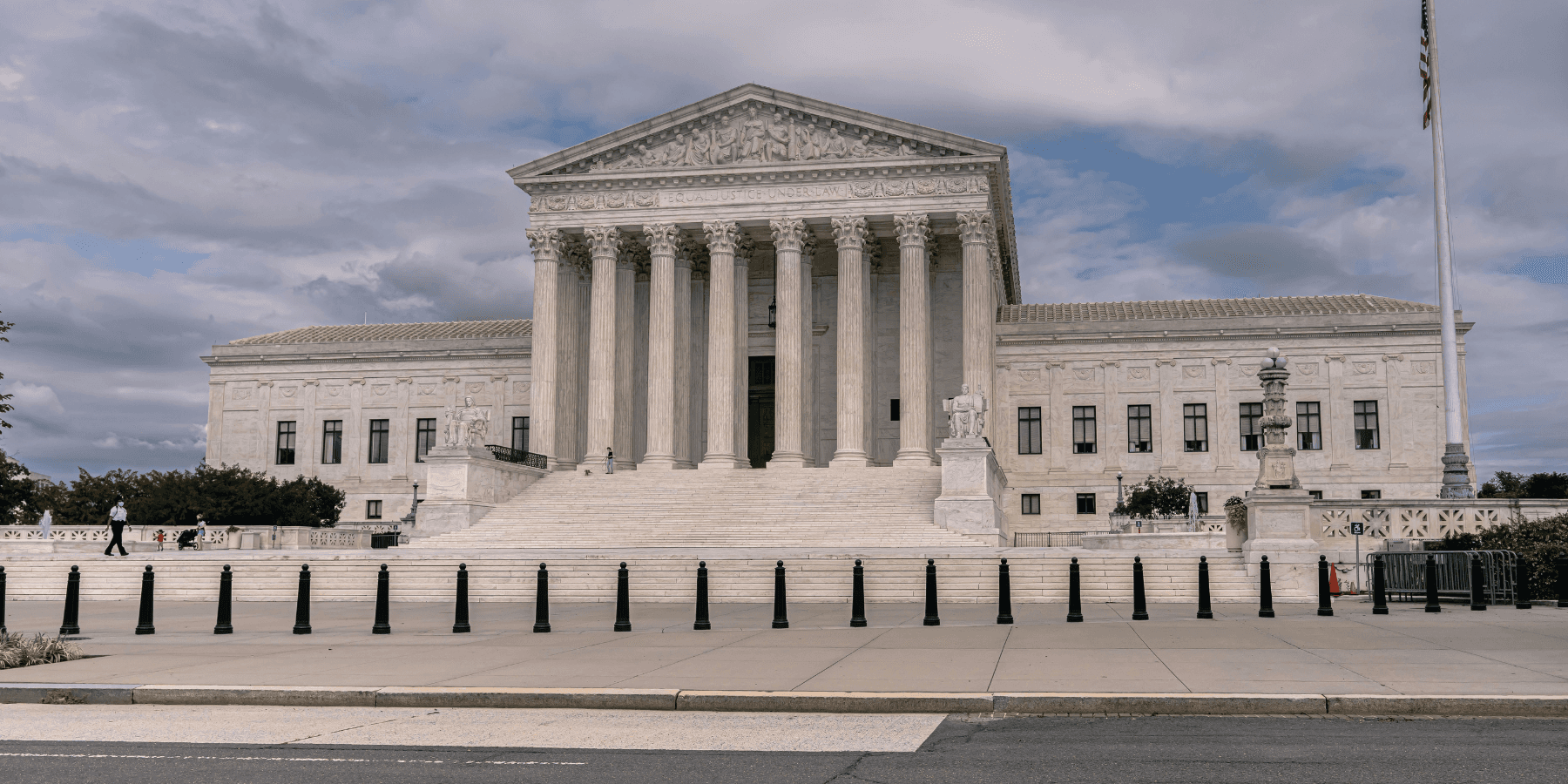
Photo Credit: Adam Michael Szuscik / Unsplash
Supreme Court Blocks Trump-Backed Missouri Congressional Map
A prolonged fight over Missouri’s congressional districts took another major turn Thursday when a U.S. Supreme Court order effectively restored the congressional map used in the 2022 and 2024 elections for November’s general election. The decision blocked, for now, a Republican-backed mid-decade redistricting plan encouraged by Trump that was designed to improve the GOP’s chances of capturing an additional House seat.
The dispute carries national consequences because control of the House could hinge on a small number of seats. Missouri Republicans had sought to transform a Kansas City-centered district represented by Democrat Emanuel Cleaver, potentially allowing the GOP to win seven of the state’s eight House seats. Months of conflicting state and federal rulings had created uncertainty for candidates and voters before the Supreme Court’s intervention returned the state to its earlier boundaries.

Photo Credit: E bailey / Wikimedia (Cropped)
Appeals Court Rejects Trump Administration’s Mandatory Immigration Detention Policy
The Trump administration suffered another legal setback when the 4th U.S. Circuit Court of Appeals ruled that its policy of mandatorily detaining certain immigrants without an opportunity for a bond hearing was unlawful. The divided court strongly criticized the policy, with the majority drawing comparisons to historical episodes of mass detention, including the internment of Japanese Americans during World War II.
The ruling deepened a significant split among federal appeals courts. Nine appellate courts have rejected the administration’s approach, while two have upheld it, increasing the likelihood that the Supreme Court will ultimately resolve the issue. The Department of Homeland Security said it remained confident in its legal position and had already asked the high court to review the question. The case could determine the procedural rights of large numbers of immigrants affected by the administration’s expanded deportation campaign.
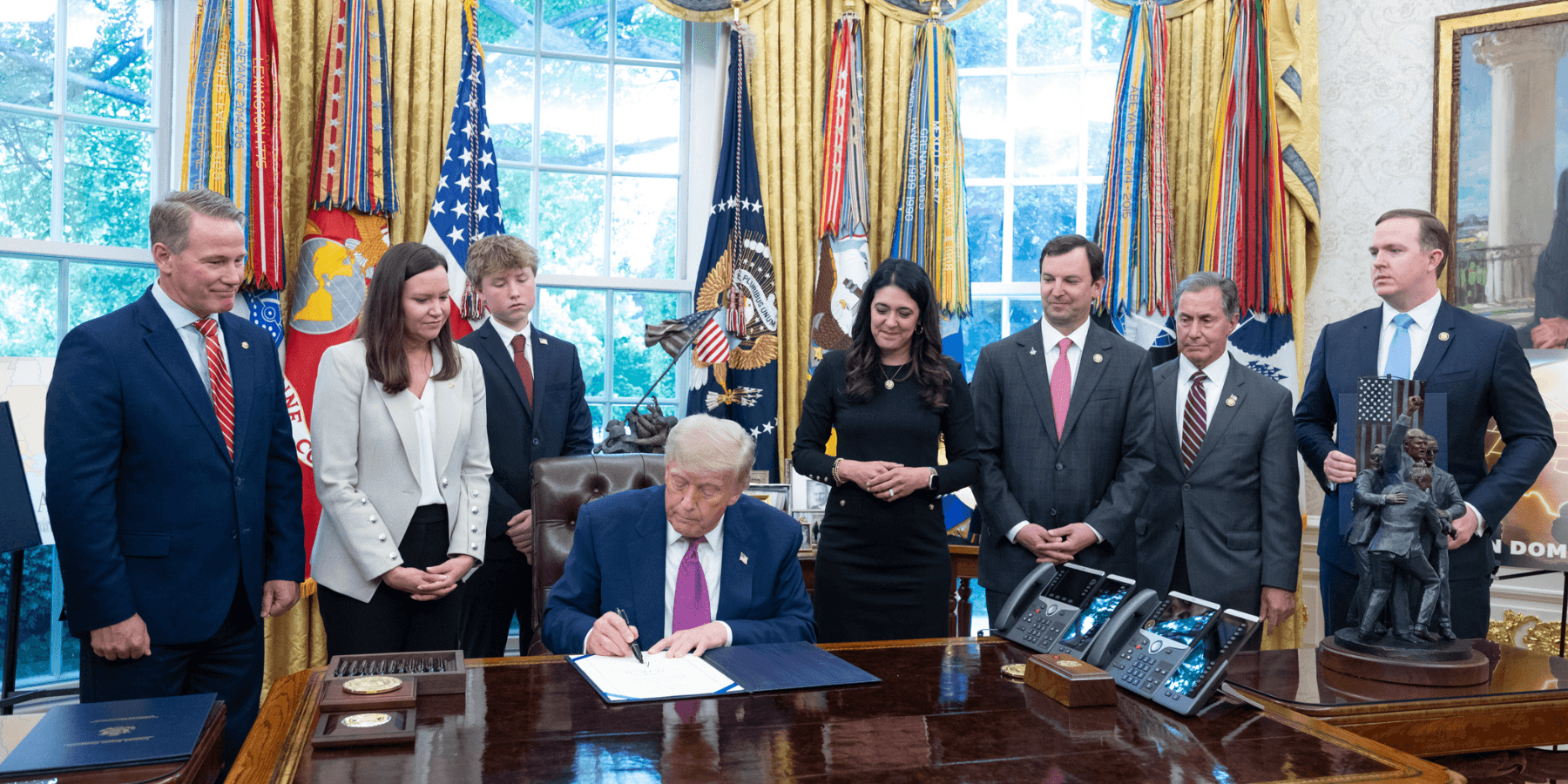
Photo Credit: The White House / Wikimedia
GOP’s Signature Domestic Law Comes Under Midterm Scrutiny
Republicans also used their Dallas convention to promote Trump’s sweeping tax, spending and immigration law as a central achievement ahead of November. Roughly a year after enactment, however, its effects have become a major point of contention: expanded tax breaks are reaching households while reductions in federal food and health programs are taking effect and immigration enforcement has accelerated.
The law provided about $175 billion for Homeland Security, much of it supporting immigration enforcement and deportations. Immigration arrests reached nearly 51,000 in August, according to the department. Its fiscal impact is equally significant: the Congressional Budget Office has estimated that the legislation will add about $3.4 trillion to federal deficits over a decade, as tax-revenue reductions exceed projected spending cuts. With federal debt reaching $40 trillion, the package is becoming a defining contrast between Republicans and Democrats over taxes, social programs, immigration and fiscal policy.
Looking Ahead
Attention now turns to fresh consumer inflation data and the Federal Reserve’s upcoming interest-rate decision, with rising oil prices complicating the economic outlook. Politically, both parties are moving deeper into the final phase of the midterm campaign, while litigation over immigration policy and election rules continues to place major questions before the courts. The combination of geopolitical conflict, persistent inflation and narrow congressional margins leaves economic conditions and voter turnout poised to play an unusually consequential role in November.