
Nationwide Holiday Travel Chaos and New Policies
Americans grapple with the dual rhythms of an extended holiday weekend and major policy shifts taking effect as the year winds down. Severe winter weather snarls travel across large parts of the country, while new federal programs and military actions overseas draw attention at home. Retail activity and collegiate sports also highlight a complex mix of celebration and disruption in the midst of the post‑Christmas period.
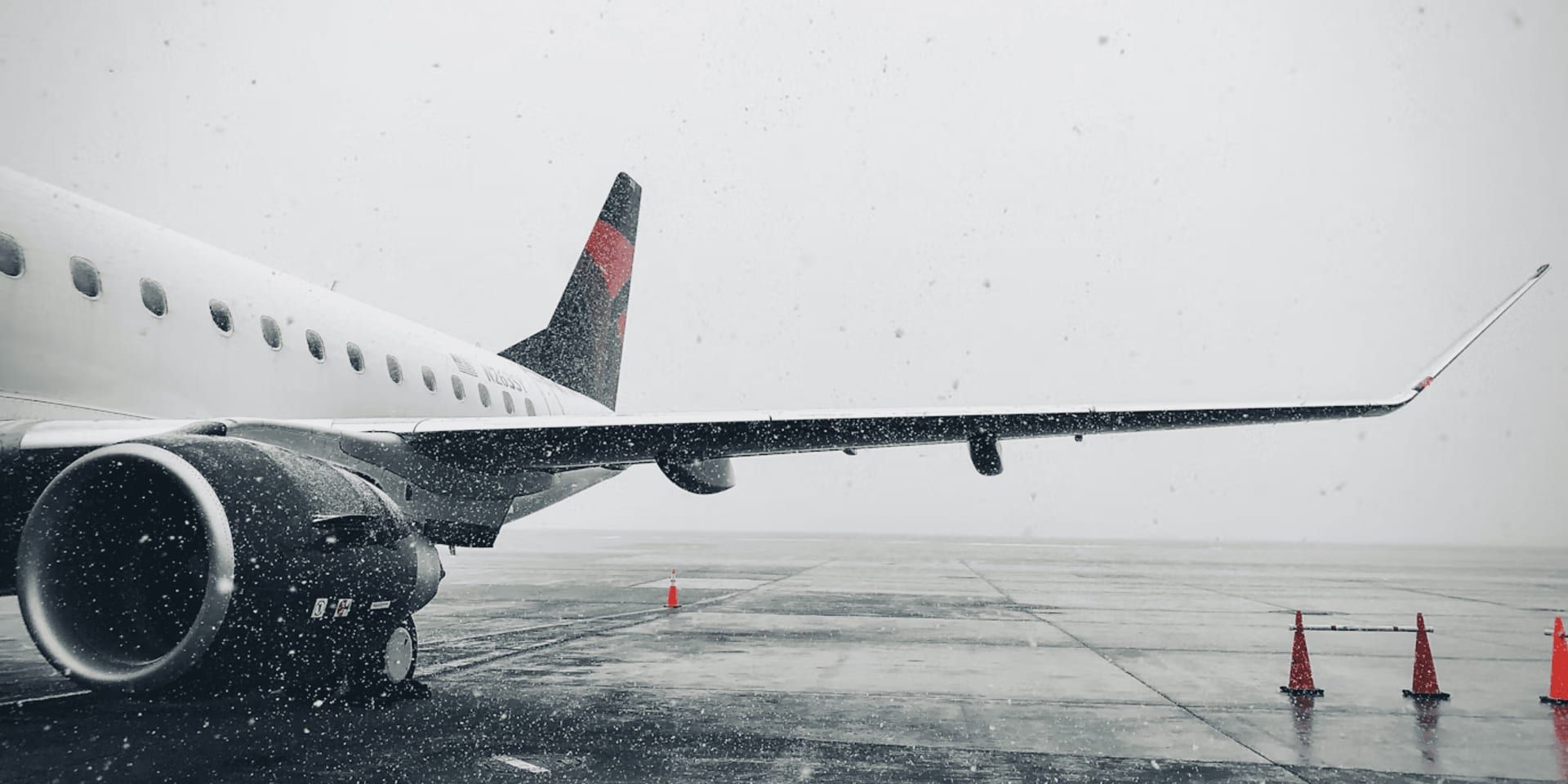
Winter Storm Disrupts Holiday Travel Across the U.S.
A powerful winter storm continues to impact travel on December 26, with widespread flight delays and cancellations at major hubs across the East Coast and Midwest. Minneapolis‑Saint Paul International and Hartsfield‑Jackson Atlanta International airports are among the hardest hit, as snow and blizzard conditions persist. The National Weather Service warns of continued severe winter weather, exacerbating the typical post‑holiday travel surge. Thousands of flights have been delayed or scrubbed entirely, stranding travelers and prompting advisories for those still on the move.
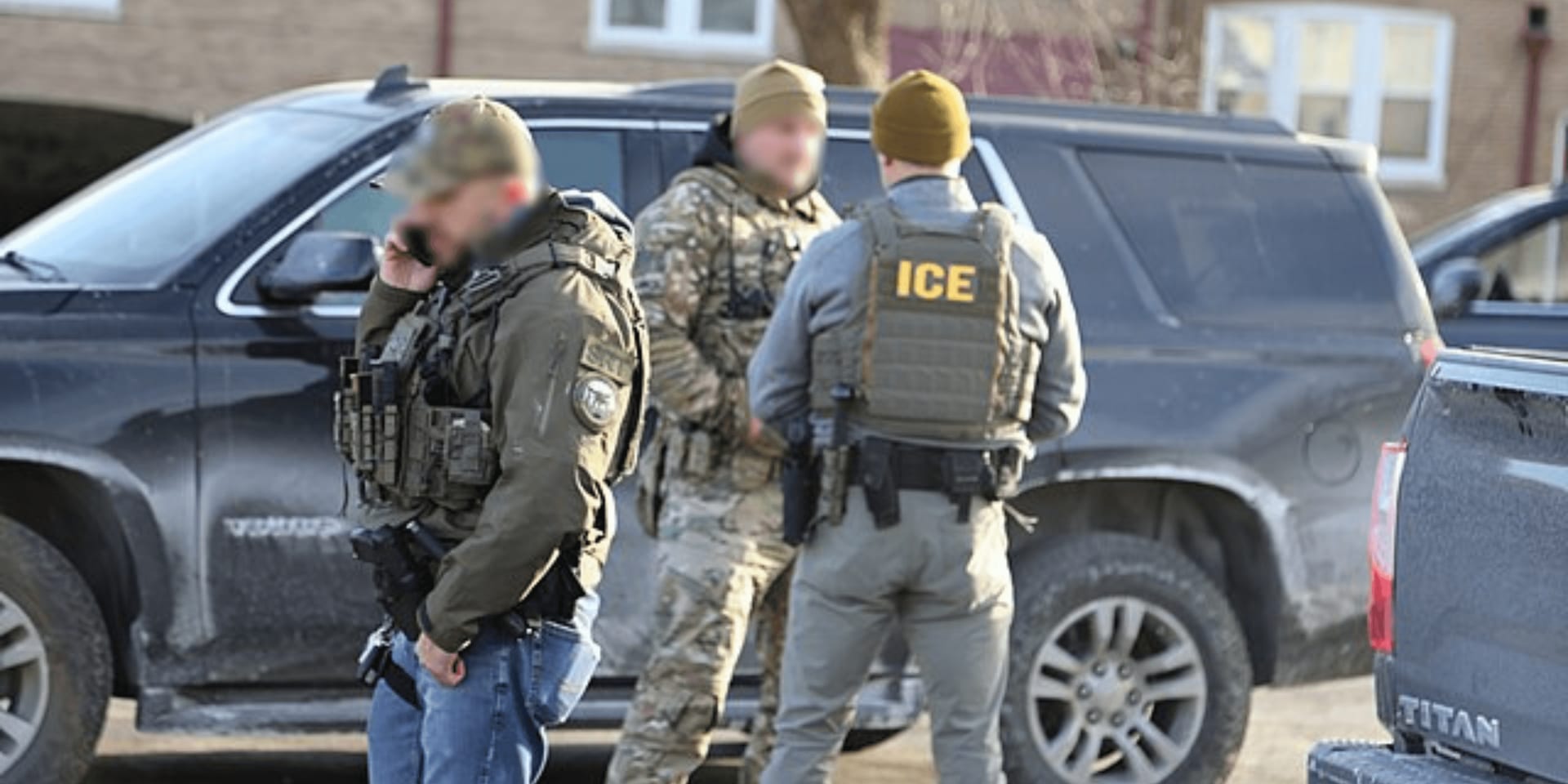
Biometric Entry‑Exit Program Begins for International Travelers
On December 26, a new nationwide biometric entry‑exit program for non‑U.S. citizens takes effect, representing a major shift in border security and immigration enforcement. Under the program, foreign nationals entering or leaving the United States will undergo facial biometric data collection at airports, seaports, and land border crossings. Advocates argue the initiative will improve tracking of overstays and bolster security, while privacy and civil liberties concerns are raised by critics wary of expanded surveillance. U.S. citizens remain exempt from mandatory biometric screening under the current rollout.
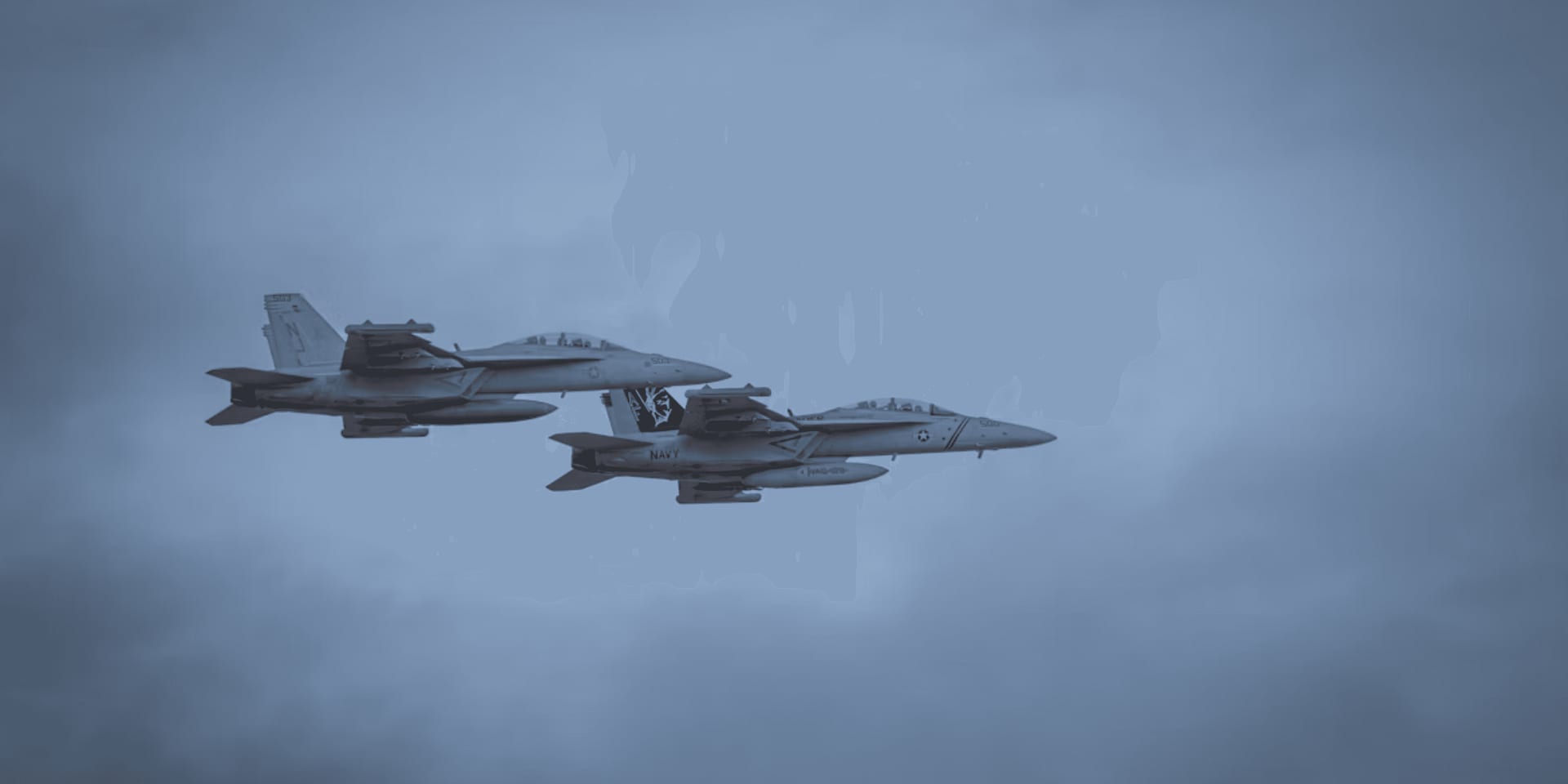
U.S. Military Action in Nigeria Sparks Debate
News continues to unfold after the U.S. military carried out airstrikes against Islamic State‑linked militants in Sokoto State, Nigeria, on Christmas Day, with developments still being reported on December 26. The Trump administration describes the strikes as efforts to counter terrorism and protect vulnerable populations, asserting that they are conducted in coordination with Nigerian authorities. International and domestic observers are watching the implications of the operations, as questions about strategy, regional stability, and the framing of the mission’s objectives circulate in political and media arenas.

December 26 Designated as Federal Holiday
In an unusual late‑season executive action, December 26 has been officially designated as a federal holiday, extending the Christmas holiday period for many government workers and offices. The decision reflects broader efforts to accommodate the holiday season and provide additional time off in a year already punctuated by other federal closures. While welcomed by many employees and families, some economists and business leaders note potential impacts on productivity and services during a traditionally slow period for government operations.
Looking Ahead
As 2025 winds to a close, residual effects from this weekend’s winter storm are likely to persist into the early week, complicating travel and infrastructure recovery. The new biometric entry‑exit system will begin generating early data on its implementation and public response, potentially foreshadowing further policy debates in 2026. Military and diplomatic developments tied to overseas actions remain fluid, and with the nation preparing for a significant New Year’s celebration and the launch of the semiquincentennial year in 2026, both domestic planning and international engagement will remain in sharp focus.