Trump’s Marathon State of the Union Dominates U.S. News as Economy, Politics, and Weather Shake the Nation
U.S. headlines were centered on President Donald Trump’s historic State of the Union address delivered the night before, setting the tone for economic and political debate ahead of the midterm elections. The marathon speech – the longest in modern history – showcased administration priorities while drawing sharp bipartisan reaction. Beyond Washington, economic markets responded modestly, lingering weather impacts from a massive winter storm were assessed, and a high‑profile security incident at Mar‑a‑Lago stirred discussion about public safety. National political discourse remained polarized as lawmakers and voters reacted to policy claims, fact checks, and emerging controversies.
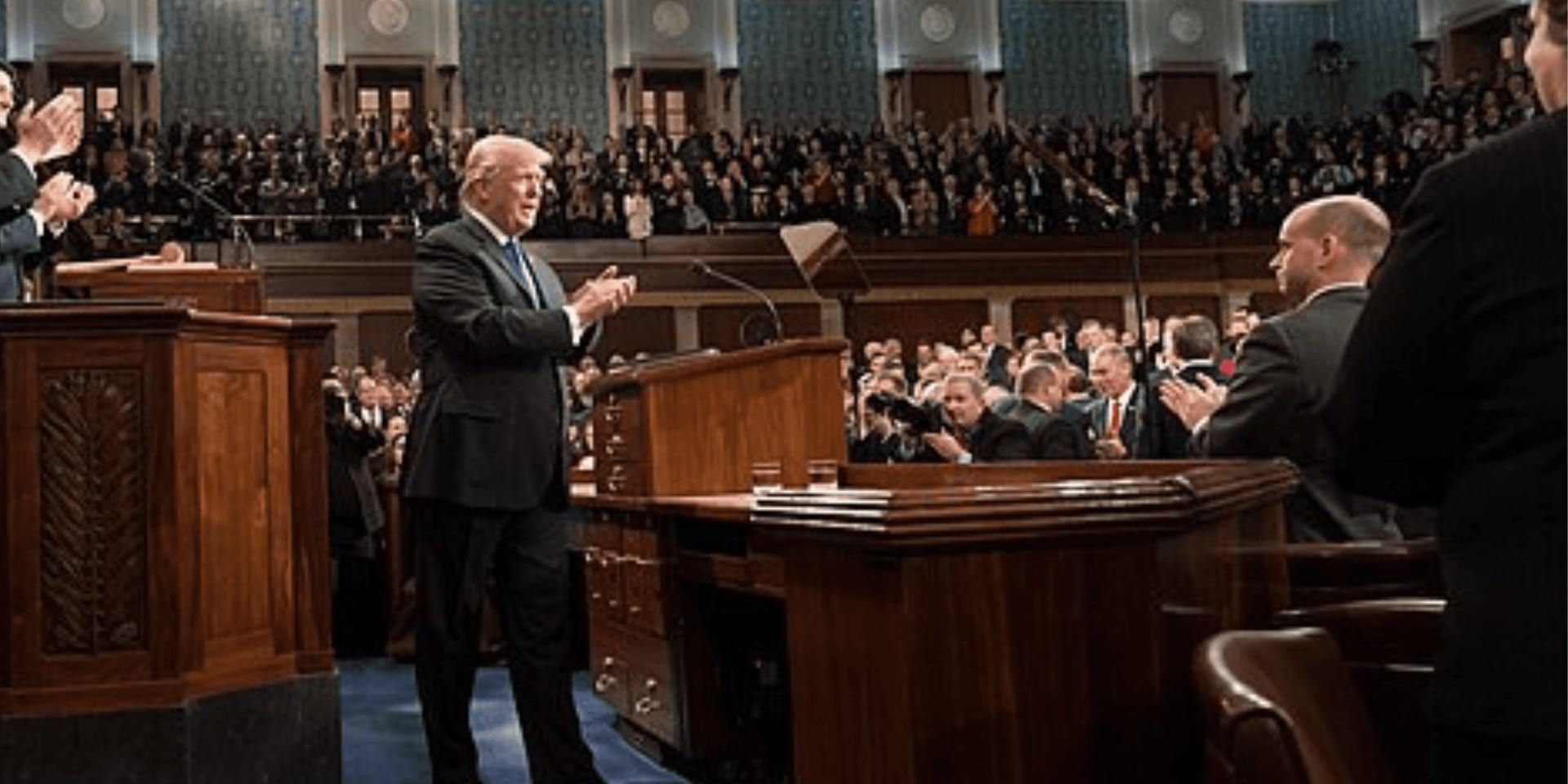
Trump’s Record‑Length State of the Union Sets Political Tone
President Trump delivered the longest State of the Union Address on record Tuesday night, clocking in at 1 hour and 48 minutes – surpassing his own previous record and filling the House chamber with partisan energy. Trump’s speech touted economic growth, tough immigration enforcement, tariff efforts, drug pricing reforms, and ambitious domestic policy goals for his second term. He framed his administration’s first year back in office as a “golden age” for the nation while calling for legislative cooperation on conservative priorities.
Democrats pushed back fiercely, arguing that many claims were misleading or contradicted by independent fact‑checkers. Lawmakers staged walkouts and delivered rebuttals highlighting concerns about social services, civil liberties, and economic hardship under recent policies. The address underscored deep partisan divides as control of Congress hangs in the balance ahead of November’s midterms.
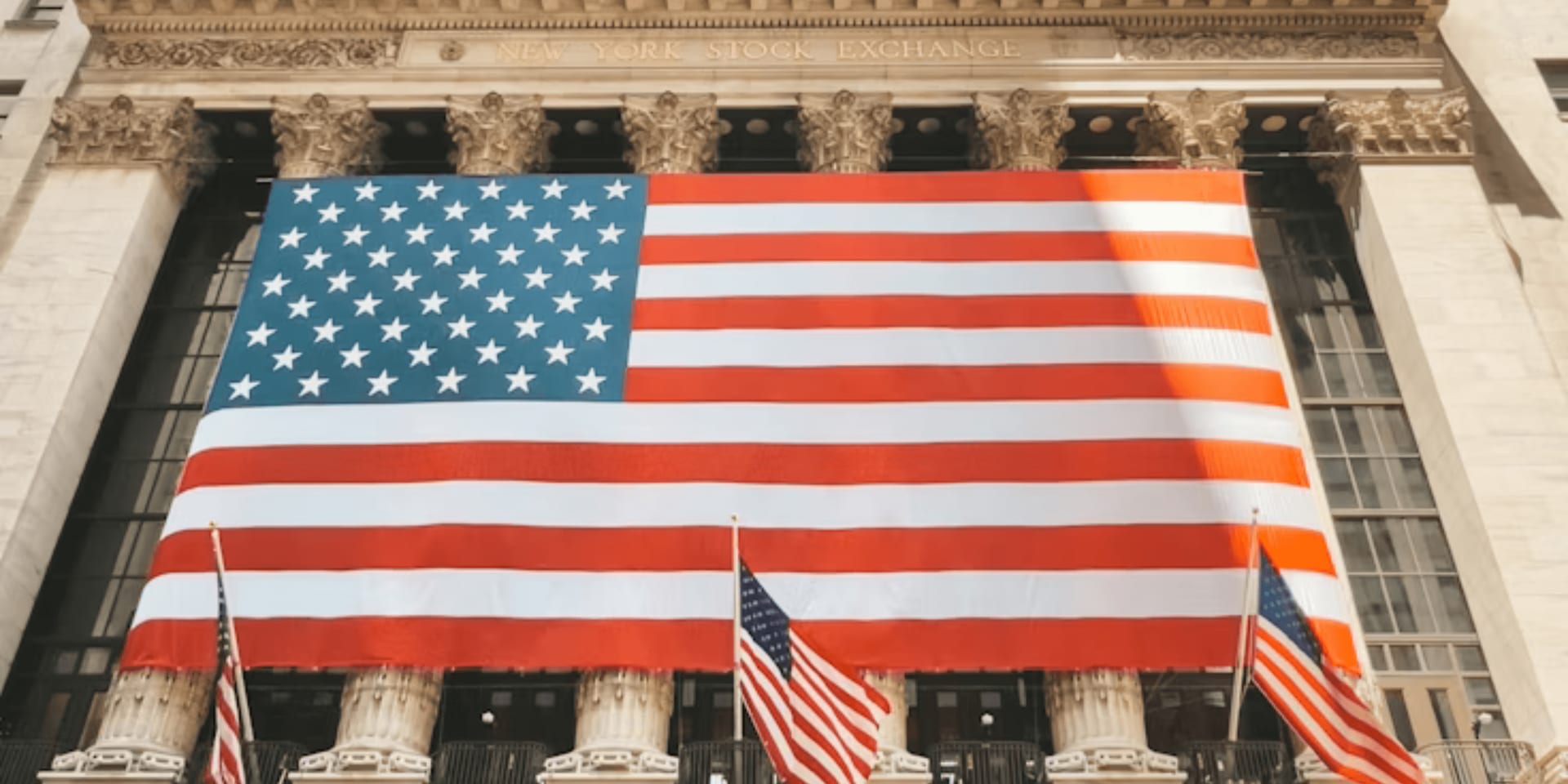
Economic Markets Respond to Policy Signals
The U.S. stock market displayed modest gains Wednesday as investors digested the policy outlook from the State of the Union and corporate forecasts. The S&P 500 rose slightly, supported by renewed analyst enthusiasm for major technology firms such as Amazon and Nvidia, even as broader sector concerns persist over valuation and investment returns.
Market optimism appeared tied in part to the president’s economic messaging and anticipated legislative priorities, though analysts caution that geopolitical uncertainties and domestic policy conflicts could temper growth. Broader market indicators like gold and Bitcoin also showed movement, reflecting investor recalibration in an unpredictable policy environment.

Blizzard Aftermath and Weather Impacts Across the Northeast
Communities across the Northeastern United States continued to grapple with the aftermath of the late‑week Blizzard of 2026, which dumped up to three feet of snow, triggered hurricane‑force gusts, and snarled infrastructure across a wide region. States of emergency were declared in New Jersey, New York, and New England, with over 600,000 residents experiencing power outages at the storm’s peak. At least seven storm‑related fatalities were confirmed, and travel disruptions persisted as cleanup efforts continued.
Though the worst conditions have passed, utility crews and municipal services are still restoring power and clearing major corridors, with lingering delays in transportation and localized recovery challenges. Federal and state agencies have emphasized safety and resilience planning as communities assess damage.

Security Incident at Mar‑a‑Lago Raises Questions
In a rare security breach at President Trump’s Mar‑a‑Lago estate in Palm Beach, Florida, Secret Service agents fatally shot a man who had breached the property perimeter early Sunday. The incident, involving an unidentified 12‑gauge shotgun and fuel canister, resulted in one confirmed fatality and has prompted a review of current protective protocols at high‑profile locations.
Although Trump was not present at the resort at the time, the shooting reignited conversations about national security, the challenges facing protective services, and how authorities balance public access with executive safety. Federal officials reported the situation was contained swiftly, and investigations into motive and procedural compliance remain ongoing.
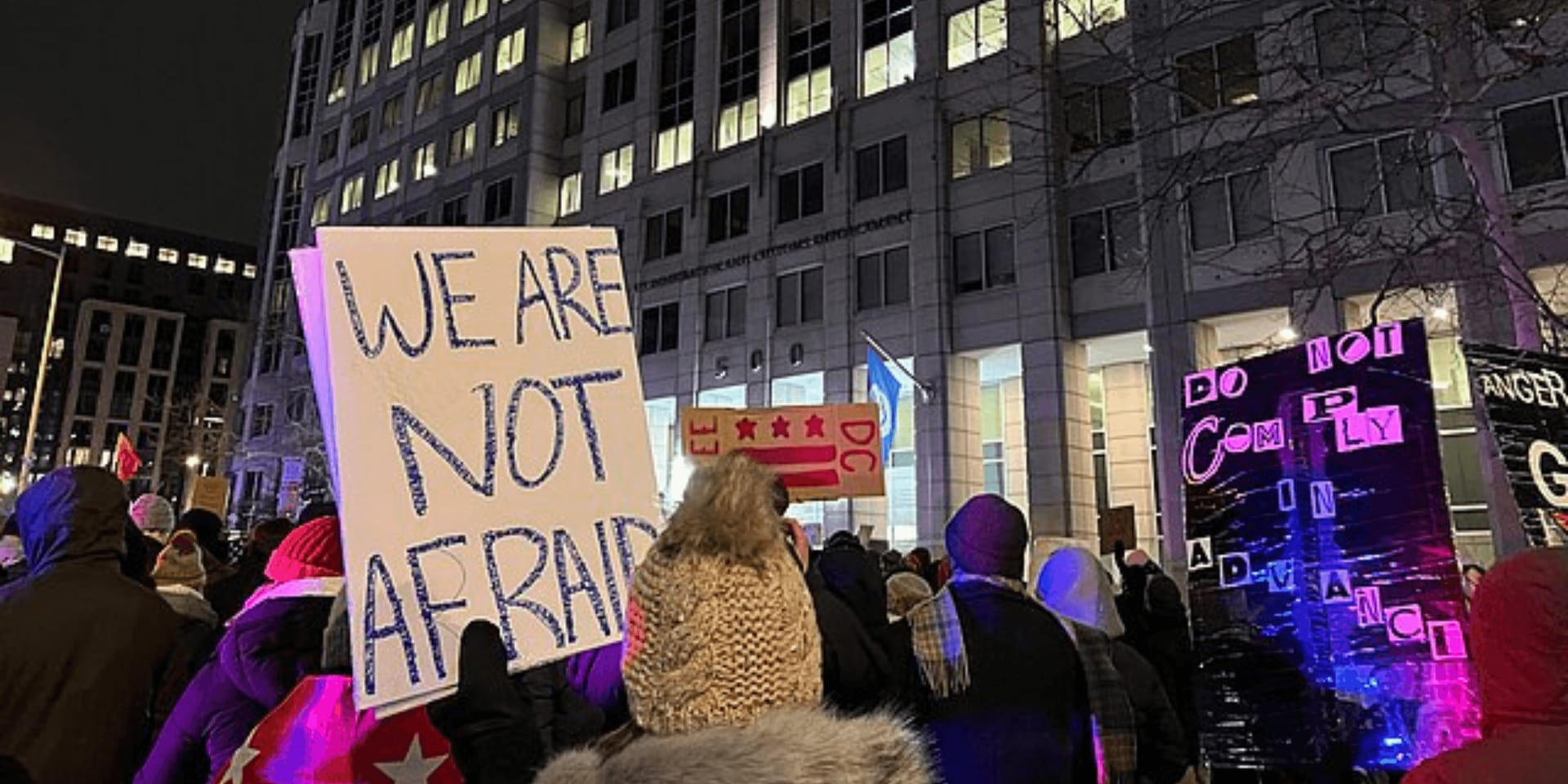
Ongoing National Debates Over Immigration Enforcement
Immigration enforcement and federal policy remain at the forefront of national discourse nearly a month after high‑profile protests erupted across the country in response to fatal encounters involving U.S. Immigration and Customs Enforcement agents. Demonstrations that began in Minneapolis spread to major cities including San Francisco, Los Angeles, and Boston, with activists demanding accountability and sweeping reforms to enforcement practices.
As lawmakers and community leaders continue to debate federal immigration strategies, public sentiment appears sharply divided. The protests have influenced local political campaigns and will likely factor into voter mobilization efforts ahead of elections later this year.
Looking Ahead
As February draws to a close, the ripple effects of the State of the Union will shape legislative battles on Capitol Hill and intensify political messaging from both parties. Markets will watch for policy shifts on trade, technology, and economic growth signals, while communities affected by winter weather transition into spring recovery. Immigration policy, national security protocols, and campaign dynamics will remain key storylines in the weeks leading up to the midterm elections, with voters and policymakers alike focused on outcomes that could redefine the nation’s trajectory.