
New Tariffs, Court Battles, and Public Health Concerns Shape America’s Headlines
Friday brought a mix of major policy changes, legal developments, and public health concerns that reverberated across the United States. New trade measures officially took effect, the administration faced fresh judicial scrutiny, and developments in health and criminal justice underscored the breadth of issues dominating the national conversation. Together, the day's events highlighted an increasingly active period for both federal policymaking and the courts.

Trump Administration's New Tariffs Take Effect
President Donald Trump's latest round of tariffs officially went into effect, replacing a temporary import tax system with new duties affecting approximately 60 trading partners. The administration said the tariffs, generally ranging from 10% to 12.5%, are intended to combat goods linked to forced labor while encouraging domestic manufacturing and reducing dependence on imports. Critics argued the move could increase costs for American businesses and consumers while straining relations with key allies.
The rollout immediately drew attention from financial markets, trading partners, and industry groups, with several governments signaling they were evaluating potential responses. The tariff policy is also expected to face continued legal and political challenges in the weeks ahead.
Photo Credit: G. Edward Johnson/Wikimedia (Cropped)
Federal Appeals Court Blocks Proposed H-1B Visa Fee
A federal appeals court temporarily blocked implementation of a proposed $100,000 fee for certain H-1B visa applications, handing a setback to one of the administration's immigration initiatives. The proposal had generated widespread concern among technology companies, universities, and business organizations that rely on highly skilled foreign workers.
The ruling allows the existing visa fee structure to remain in place while litigation continues. The case is expected to become another closely watched legal battle over the executive branch's authority to reshape immigration policy through administrative action.
Photo Credit: James Gathany, Centers for Disease Control and Prevention/Wikimedia
Cyclospora Outbreak Expands Across Multiple States
Federal and state health officials continued responding to a growing Cyclospora outbreak linked primarily to contaminated iceberg lettuce. By Friday, confirmed cases had spread across nine states, with nearly 2,000 confirmed infections and dozens of hospitalizations. No deaths had been reported.
The Centers for Disease Control and Prevention and state health agencies continued investigating the supply chain while recalls remained in effect for affected lettuce products. Officials advised consumers to monitor recall notices and emphasized that washing contaminated produce may not eliminate the parasite.
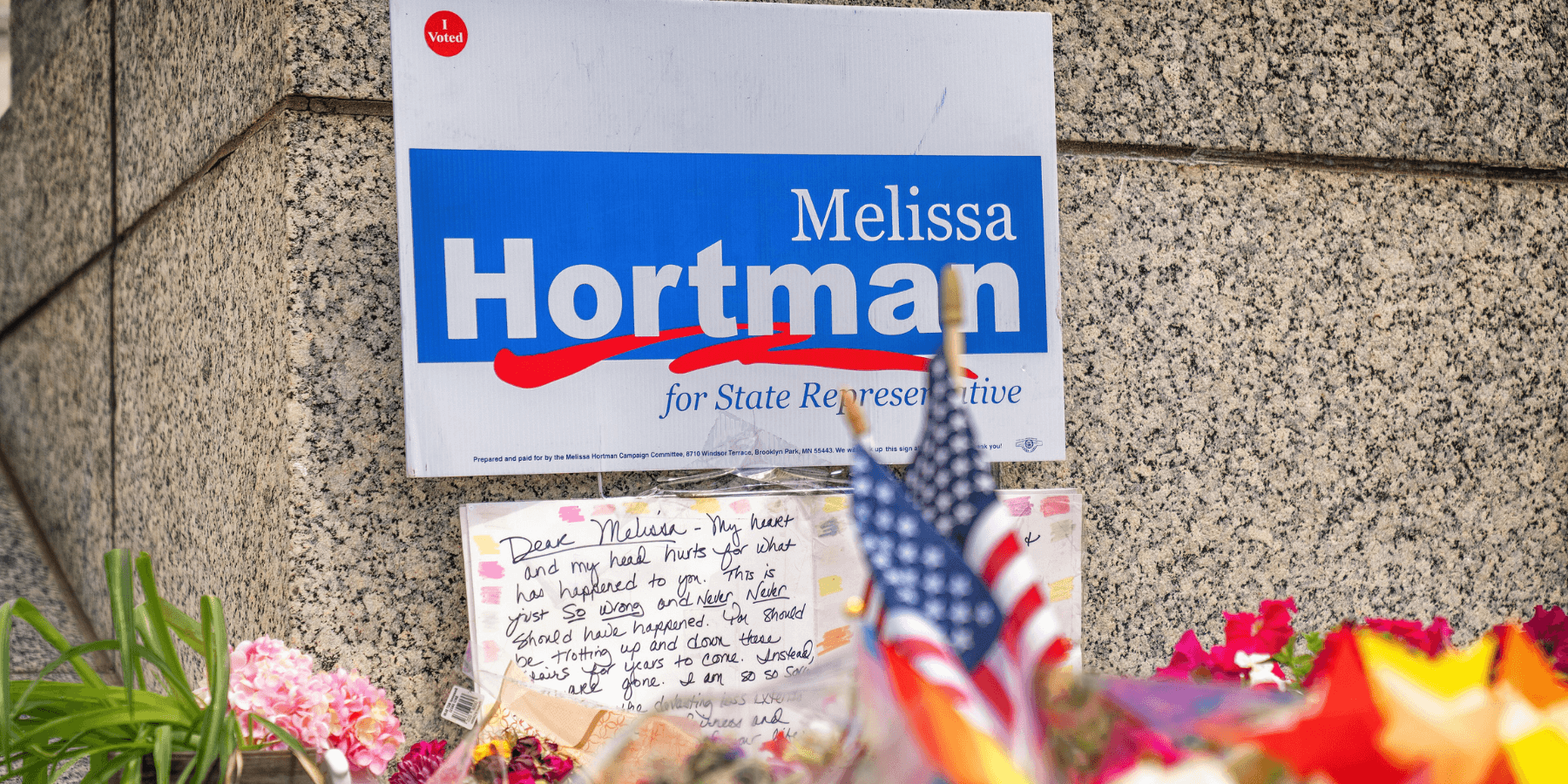
Photo Credit: Tony Webster/Wikimedia (Cropped)
Minnesota Lawmaker's Killer Receives Life Sentence
The man convicted of murdering Minnesota Democratic House Speaker Melissa Hortman and her husband was sentenced to life in prison, bringing one of the nation's most closely watched criminal cases to a legal conclusion. The sentencing marked a significant milestone following a case that drew widespread attention because of the victims' public service and the attack's impact on Minnesota politics.
State leaders renewed calls for stronger protections for elected officials and public servants, while family members and colleagues remembered Hortman's legislative career and years of public service.
Photo Credit: Tomasz Zielonka/Unsplash
President Addresses White House Correspondents' Dinner Amid Political Tensions
President Trump attended the rescheduled White House Correspondents' Association dinner, where his remarks shifted from opening humor to pointed criticism of journalists and political opponents. The speech reflected the continued tense relationship between the administration and much of the national press corps, drawing significant media attention.
Beyond the dinner itself, the president also promoted several administration priorities, including plans for new White House facilities and broader executive initiatives, ensuring the event remained both a political and symbolic focal point for the day's news coverage.
Looking Ahead
Attention now turns to the economic effects of the newly implemented tariffs, as businesses, trading partners, and courts begin responding to the administration's latest trade actions. The H-1B visa litigation is expected to continue through the federal courts, while public health officials remain focused on containing the Cyclospora outbreak. Meanwhile, Washington is preparing for additional political and legal developments that could shape the remainder of the summer legislative and policy agenda.