New Year Brings Policy Shifts, Celebrations, and Changing Rules Across the United States
On the first day of 2026, Americans are navigating a mix of celebrations and significant policy changes as the nation turns the page into a new year. From historic bicentennial commemorations in the nation’s capital to new state and federal laws taking effect, the first day of the year is marked by shifts in how Americans work, travel, and engage with government programs. Alongside festivities, administrative actions and legislative changes are already shaping daily life in communities nationwide.
America 250 Anniversary Kicks Off With Monument Celebration
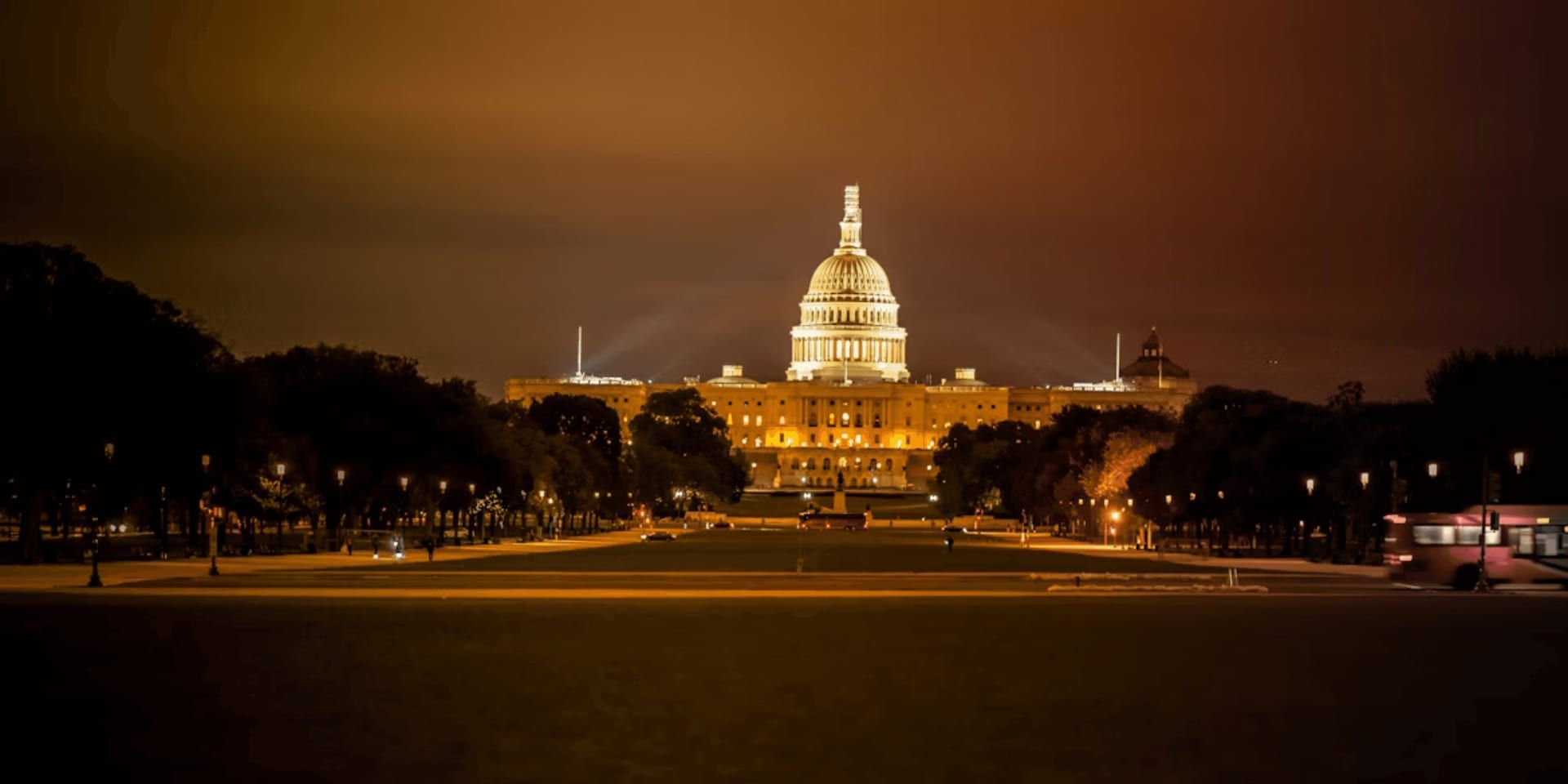
The national year‑long semiquincentennial celebration of the United States’ 250th anniversary begins with dramatic displays in Washington, D.C. A light projection installation on the Washington Monument ushers in the festivities, which are planned to extend throughout 2026 and tie into major global events such as the FIFA World Cup later this year and the 2028 Olympics in Los Angeles. This initiative, driven by the White House, places the anniversary front and center of national celebration and reflection.
New State Social Media and SNAP Rules Take Effect
January 1 marks the implementation of several significant new laws affecting daily life for many Americans. Virginia’s new law requires social media platforms to default to a one‑hour per day usage limit for users under 16, an effort to address concerns about youth screen time and wellbeing. In addition, several states begin enforcing restrictions on what can be purchased using SNAP benefits, limiting sugary drinks, candy, and other high‑sugar items as part of broader public health goals. These changes reflect growing state‑level legislative activism on lifestyle and health issues.
Expanded Travel Bans and Immigration Fee Increases Start January 1
New immigration and travel policy changes from the federal government also take effect at the start of 2026. The U.S. expands travel restrictions to include additional countries in visa bans, reshaping entry rules for visitors and affecting international travel flows. Concurrently, certain immigration benefit application fees rise under updated guidelines from U.S. Citizenship and Immigration Services, requiring applicants to budget for higher costs in 2026. These adjustments follow administrative priorities on security and immigration reform.
Federal Holiday Routine and Retail Activity on New Year’s Day
With January 1 a federal holiday, many Americans observe New Year’s Day with traditional rest, celebrations, and family gatherings. Major retailers such as Walmart remain open during regular hours, offering early‑year deals and expanded return windows for holiday purchases. In contrast, other big‑box stores like Costco and Sam’s Club typically close, guiding consumer behavior on this first day of the year. This mix of closures and openings reflects normal holiday business patterns across the country.
Looking Ahead
As the nation moves deeper into 2026, attention will shift to how newly enacted laws influence public behavior and economic patterns, especially in areas like social media usage, nutrition assistance, and immigration. The America 250 celebrations are poised to remain a focal point of national identity and international engagement, while cultural events and entertainment offerings continue to draw public interest. Key policy debates, economic forecasts, and international developments are likely to shape discourse in the weeks ahead as Americans settle into the new year.