
U.S. Grapples With Economic Shock and Intensifying Iran Conflict as Congress Pushes Back
U.S. financial markets plunged amid rising oil prices tied to ongoing military conflict in the Middle East. On Capitol Hill, lawmakers signaled growing unease with the administration’s widening military campaign in Iran. At home, local weather impacts and cultural events added texture to a high–stakes news day that underscored national divisions over foreign policy and economic stability.

Financial Markets Slide as Oil Surges Over Geopolitical Strains
Major U.S. stock indexes experienced sharp declines on March 5 as oil prices jumped above $80 per barrel, their highest in nearly two years, amid escalating tensions in the Middle East. The Dow Jones Industrial Average dropped roughly 785 points, while the S&P 500 and Nasdaq also finished lower on the day. Investors reacted to both the rising cost of crude and broader uncertainty tied to international conflict, which can chill economic growth and increase production costs for U.S. companies.
The market sell‑off reflected investor concerns about potential disruptions to global energy supplies and higher inflationary pressures. With oil futures surging nearly 20 percent over the week, analysts warned that prolonged volatility could weigh on consumer spending and confidence if energy costs continue to climb.
Congress Rejects Measures to Curtail Iran War Powers
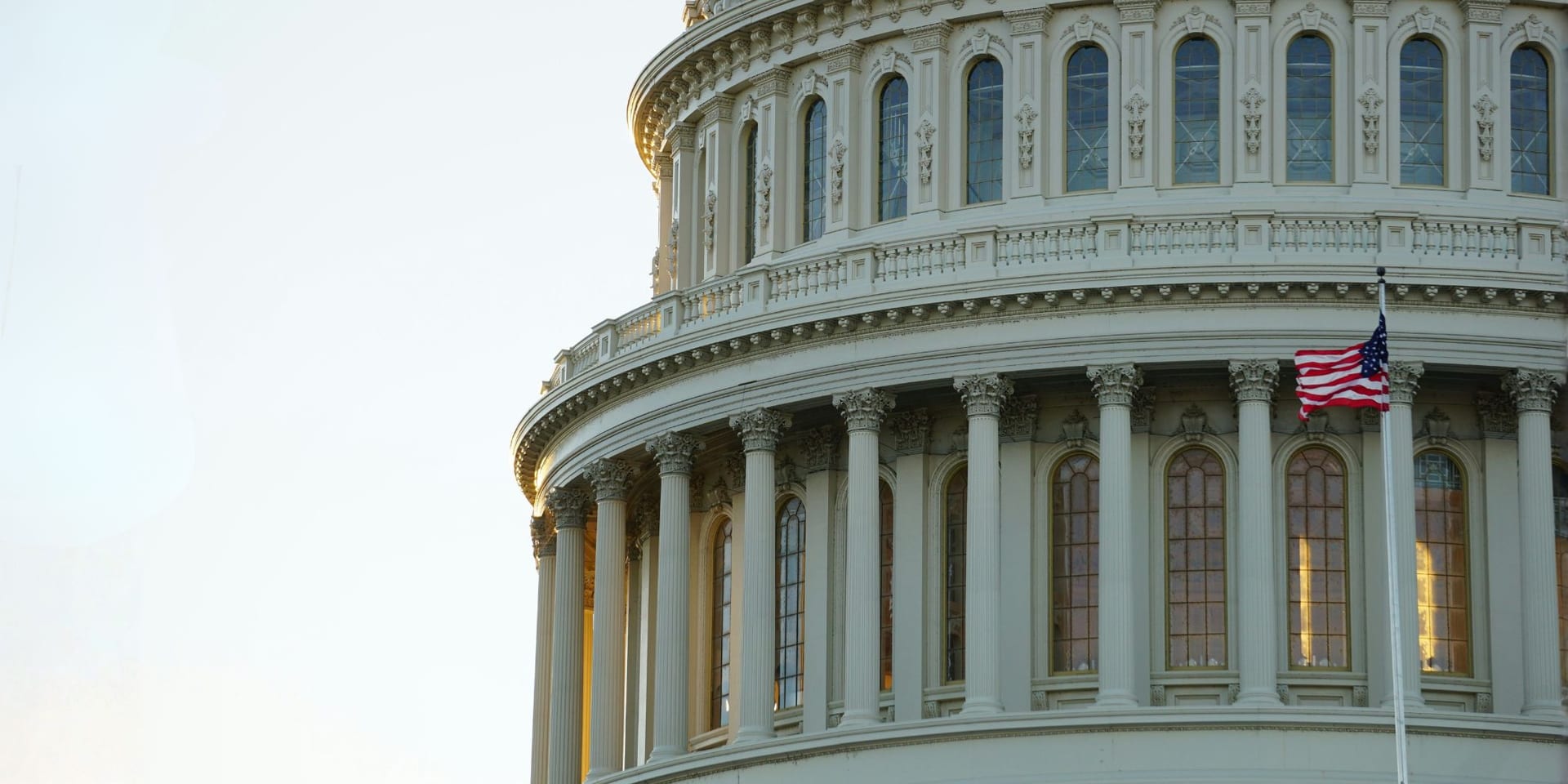
On March 5, the U.S. House of Representatives voted down a war powers resolution that would have restricted the president’s authority to continue military action related to the conflict with Iran. The tight 212‑219 vote marked a clear sign of congressional unease with a conflict that has expanded rapidly in scope and duration. A similar effort had already failed in the Senate the day before.
Lawmakers on both sides of the aisle expressed concerns about unchecked executive action and the absence of a clear exit strategy, even as the White House maintained that ongoing operations were necessary to protect U.S. interests. The vote underscored growing political tensions over foreign policy amid rising public scrutiny of wartime decision‑making.|
Iran Conflict Expands Across Region, Drawing International Responses
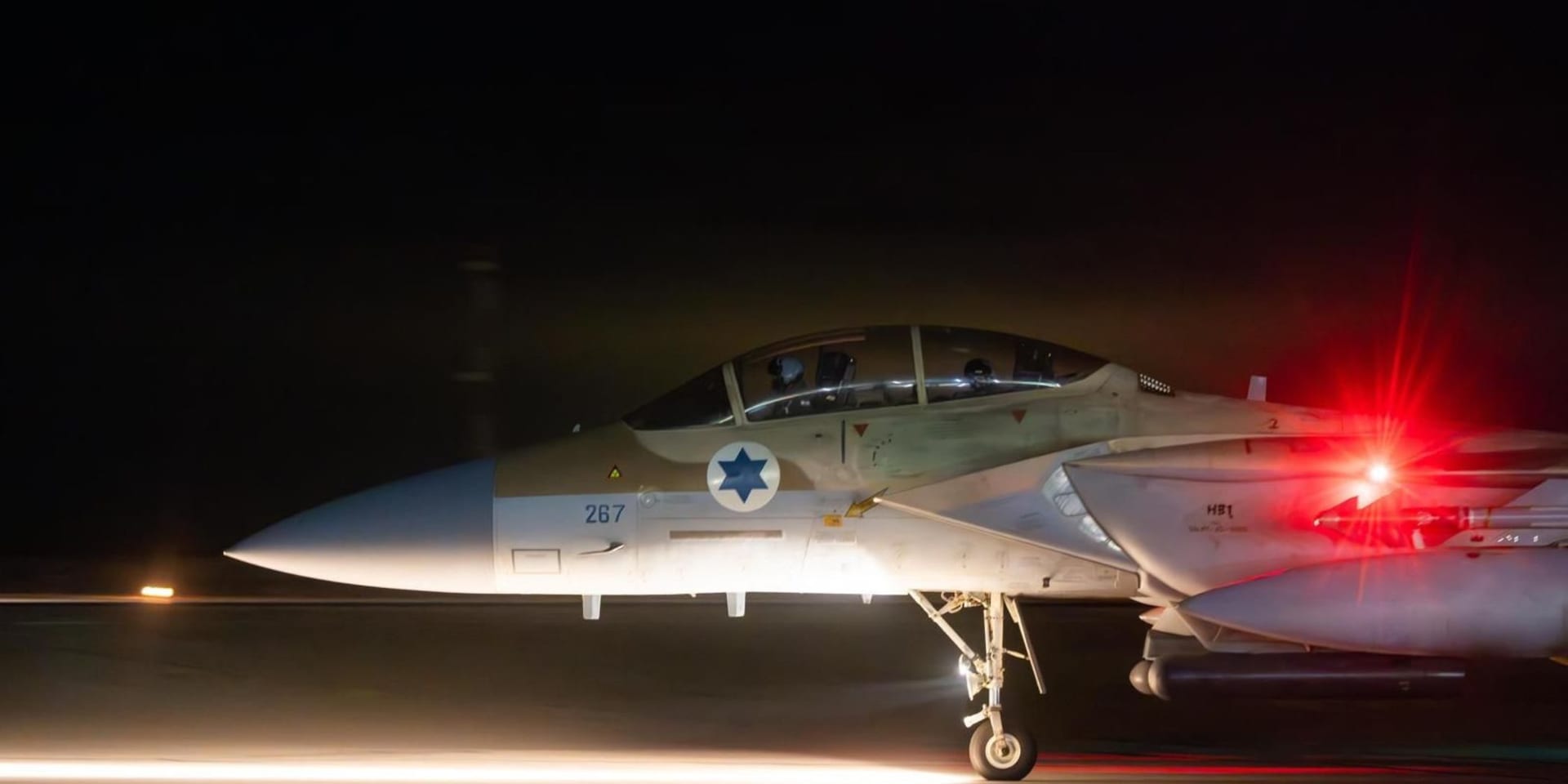
Developments in the Middle East continued to unfold on March 5 as Iran launched strikes on multiple fronts, including military infrastructure near U.S. and allied positions. Iranian drones and missile launches have been reported in neighboring countries, and several nations have pledged military support to protect bases in strategic areas like Cyprus. European naval forces, including Spanish, French, and Greek vessels, joined efforts to bolster security in the Eastern Mediterranean.
U.S. military engagement reportedly included submarine action against Iranian naval assets in the Indian Ocean, part of efforts to secure critical shipping lanes such as the Strait of Hormuz, though such strikes have amplified regional volatility. Commentary from defense officials described continued air operations and asserted U.S. munitions capacity remains robust, even as questions about broader strategic objectives persist.
Severe Weather Strikes Midwest With Confirmed Tornado Damage
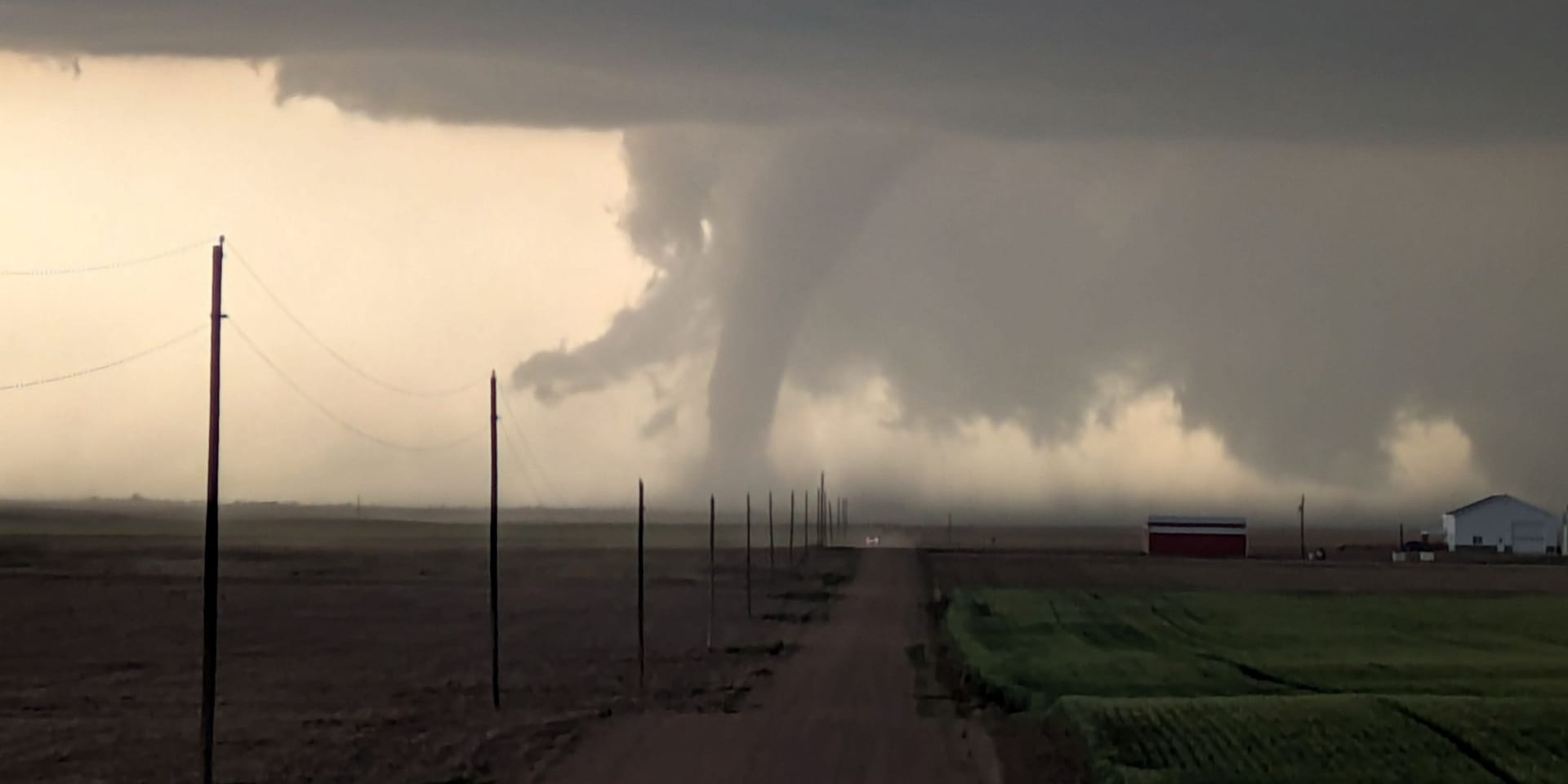
March 5 also brought significant weather impacts in parts of the central United States, where tornado activity was observed during severe thunderstorms. An EF2 tornado in Oklahoma caused substantial damage along a multi‑mile path, and reports indicated at least two fatalities when a vehicle was struck by the storm system. Another weaker tornado was sighted in the Texas Panhandle region as storm chasers documented the outbreak.
Local emergency teams responded with warnings and recovery efforts, underscoring how early spring weather patterns increasingly intersect with back‑to‑back active storm seasons. Officials reiterated the importance of preparedness as severe weather risks rise in the coming months.

Community and Cultural Highlights Across the Country
Amid heavier headlines, Americans engaged in community and cultural activities that underscored positive civic engagement. A youth leadership summit in Albany brought together students from diverse backgrounds to focus on empowerment and community involvement, reflecting ongoing efforts to engage the next generation in civic life.
March also marked peak college basketball conference tournament action, with championships across the NCAA generating fan interest ahead of March Madness. In entertainment, major streaming platforms debuted new seasonal content, including returning series and films that attracted broad audiences.
In natural phenomena news, forecasts warned that the Northern Lights could soon be visible across parts of the U.S. due to heightened solar activity — a rare spectacle that residents in northern states were encouraged to watch for over the coming weekend.
Looking Ahead
As the U.S. heads into March 6 and beyond, eyes will remain on market reactions to oil price volatility and how sustained geopolitical tensions might further influence economic policy and inflation. Congressional debates over military authority and foreign engagement are expected to persist, potentially shaping legislative priorities this spring. Severe weather patterns will continue to be monitored as the nation transitions toward the peak tornado and storm season. Finally, culture and community stories — from youth empowerment to sports championships — will add nuance to a news cycle dominated by conflict and economic uncertainty.