Oil Shockwaves, Market Jitters, and Storm Recovery Mark a Tense Day Across the U.S.
The United States confronted a convergence of global conflict, economic uncertainty, and domestic challenges, as developments abroad rippled through financial markets and policymaking at home. Rising geopolitical tensions in the Middle East drove energy prices higher, while Americans continued to grapple with the aftermath of severe weather and broader economic pressures. Together, these events underscored a moment of instability with both immediate and long-term implications.
Global Conflict Drives Oil Surge and U.S. Concern
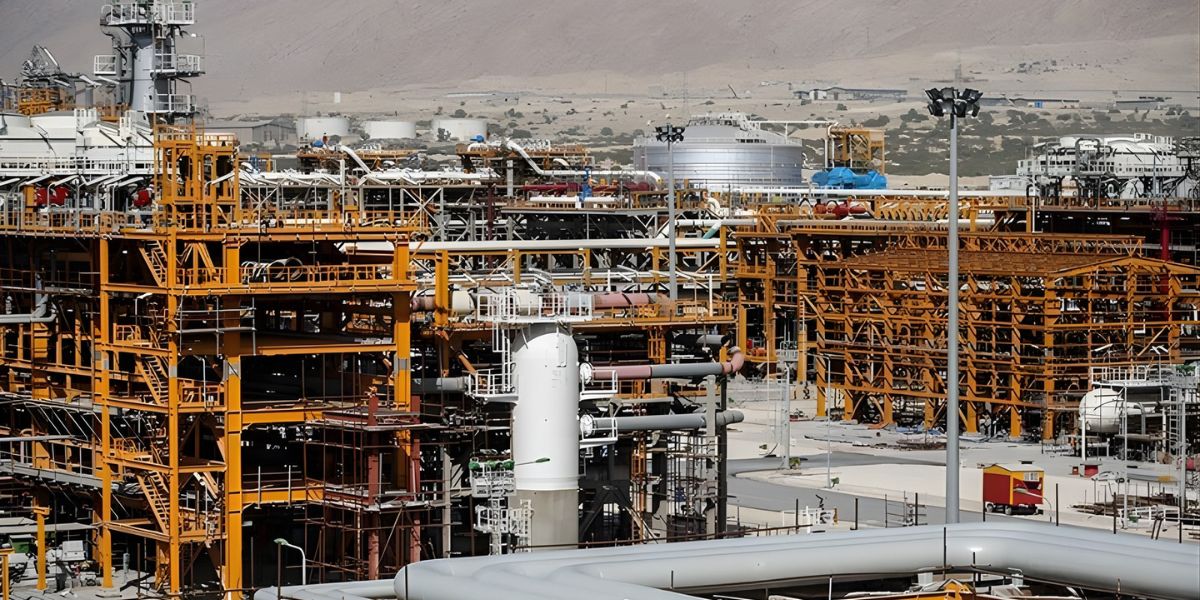
A major escalation in the Middle East dominated headlines, as coordinated strikes on Iranian energy infrastructure—reportedly conducted with U.S. involvement—triggered retaliatory attacks across the region. The strikes disrupted a significant portion of Iran’s gas production and contributed to broader instability in global energy markets.
The conflict has raised alarms in Washington due to its implications for global supply chains, military engagement risks, and energy security. U.S. officials have also issued safety advisories for Americans in the region, reflecting concerns about further missile and drone activity.

Markets Slide as Oil Prices Stoke Inflation Fears
Financial markets reacted sharply to the geopolitical turmoil, with major U.S. indexes declining amid surging oil prices and renewed inflation concerns. Brent crude approached or exceeded $110 per barrel, intensifying worries that higher energy costs could prolong inflation and complicate the Federal Reserve’s policy path.
Investors remained cautious ahead of further signals from the Fed, which has so far held interest rates steady. Analysts warned that persistent energy-driven inflation could delay anticipated rate cuts and weigh on consumer spending and business investment in the months ahead.

Housing Market Shows Mixed Signals Amid Rate Uncertainty
In the housing sector, mortgage rates edged slightly lower but remained elevated compared to historical norms. The average 30-year fixed mortgage rate hovered around 6.33%, reflecting a complex mix of easing financial conditions and ongoing macroeconomic uncertainty.
While lower rates offered modest relief to prospective homebuyers, demand remained uneven. Economists noted that geopolitical instability and inflation concerns continue to influence borrowing costs, leaving the housing market in a fragile and transitional phase.
Severe Weather Aftermath and Preparedness Efforts Continue
Across parts of the Midwest and Great Lakes, communities continued recovering from a powerful multi-day storm system that brought blizzard conditions, flight disruptions, and widespread infrastructure strain earlier in the week.
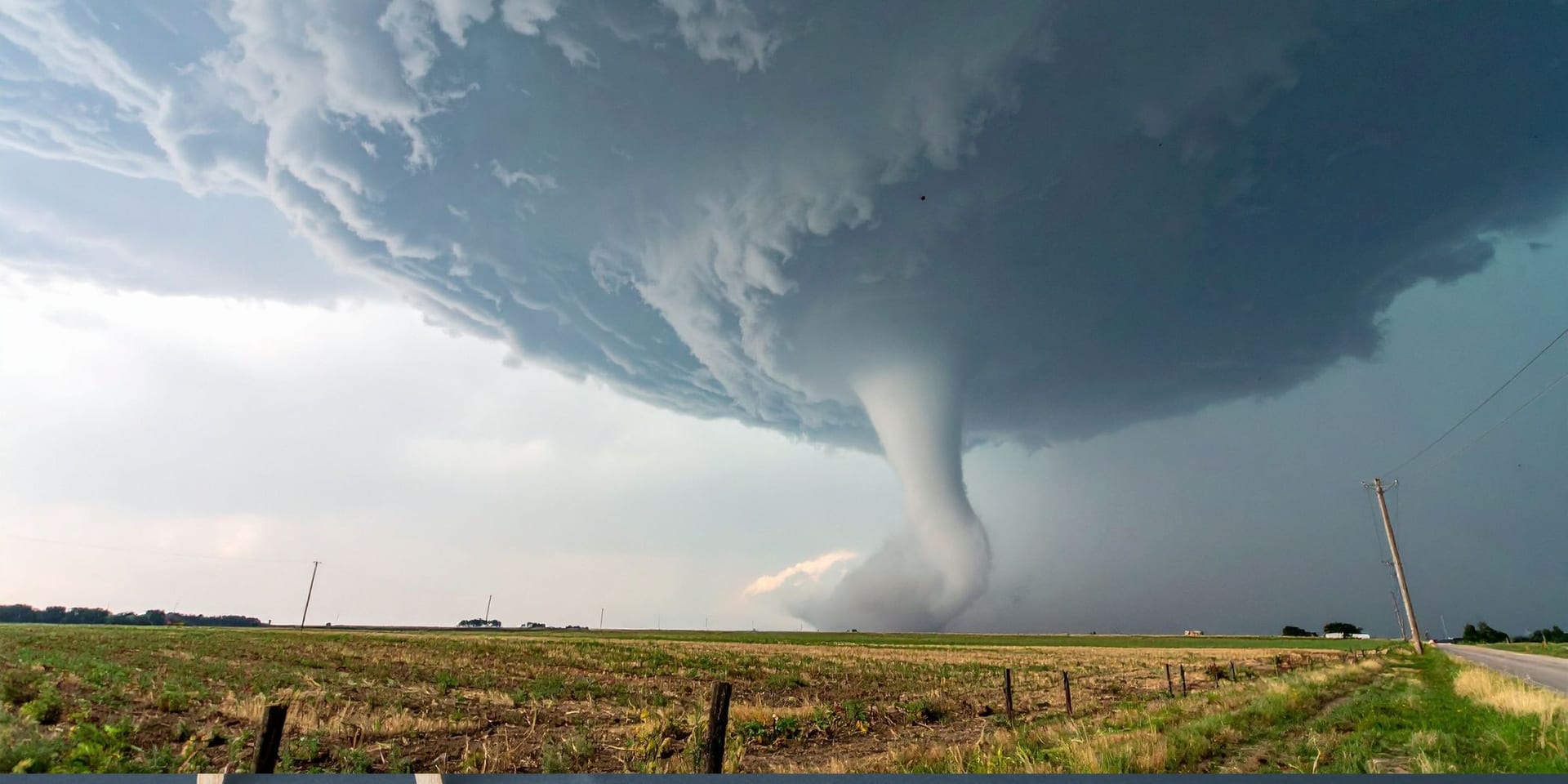
In Michigan, officials conduct a statewide tornado preparedness drill, part of Severe Weather Awareness Week. The effort followed a deadly start to the storm season and highlighted the increasing urgency of disaster readiness as extreme weather events become more frequent and unpredictable.

Fiscal Pressures and Long-Term Debt Concerns Resurface
Meanwhile, attention returned to the nation’s long-term fiscal outlook, with renewed warnings about the accelerating growth of the federal debt. Projections suggest U.S. debt could surpass $40 trillion within the year, driven largely by entitlement spending and rising interest costs.
Budget experts cautioned that the expanding debt burden could constrain future government responses to economic crises and place increasing pressure on younger generations. Despite these warnings, significant policy action remains elusive amid ongoing political divisions.
Looking Ahead
The days ahead will be shaped by whether geopolitical tensions escalate further and how markets continue to respond to energy price volatility. Investors and policymakers alike will watch closely for signals from the Federal Reserve, while Americans at home navigate a still-uncertain economic landscape. At the same time, recovery from recent storms and preparations for future extreme weather will remain a priority, underscoring the wide range of challenges facing the nation as spring begins.