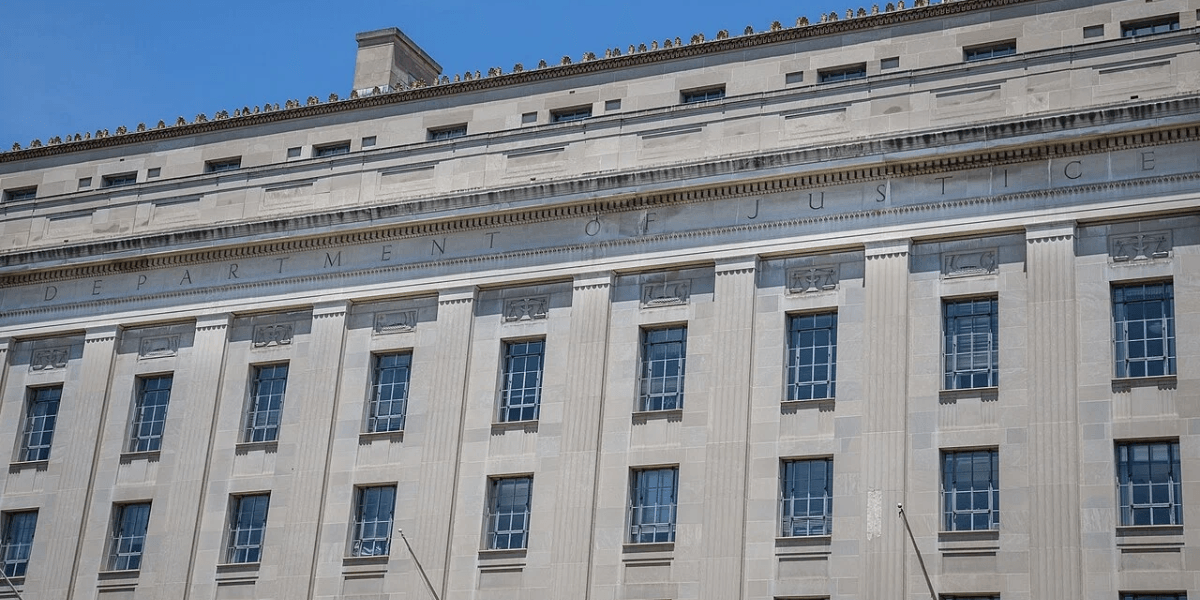
Power, Politics, and Uncertainty: America Confronts a Defining Week
The United States closed the week amid intensifying political and legal battles that continued to shape the national landscape. The Supreme Court remained at the center of major disputes over executive power, abortion access, and federal regulation, while economic uncertainty and escalating campaign fights highlighted the growing stakes ahead of the 2026 midterm elections. At the same time, debates over tariffs, inflation, and the future direction of both political parties underscored a country navigating deep institutional and ideological divisions.
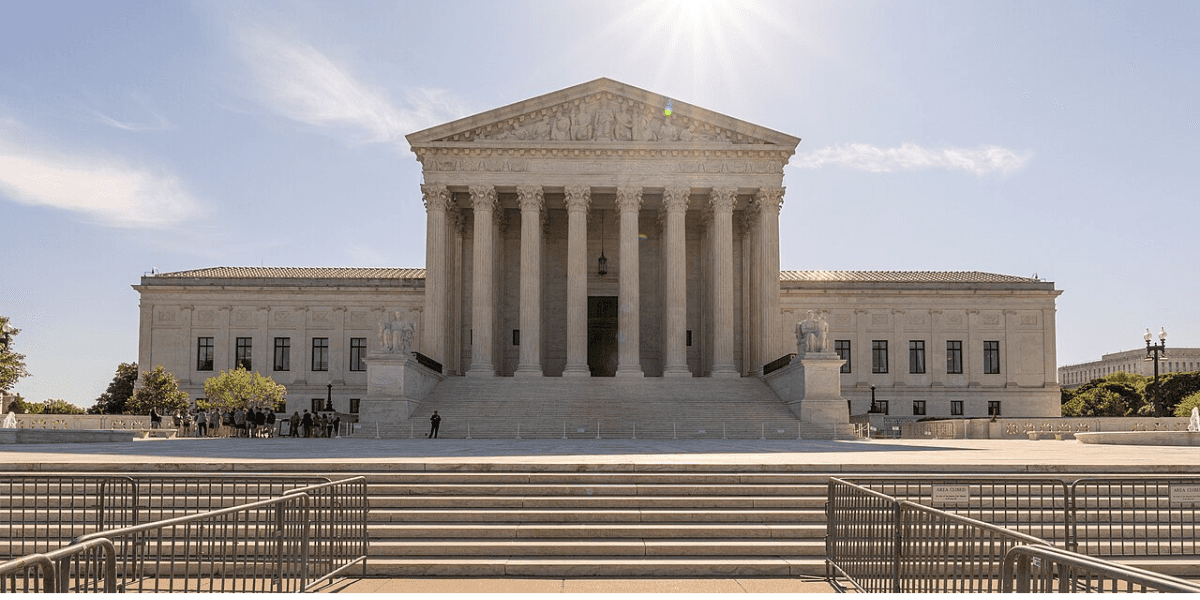
Supreme Court Continues to Reshape Executive Power
The Supreme Court remained one of the most consequential forces in American politics this week as legal battles over presidential authority, congressional maps, and federal regulation continued to reverberate nationwide. Analysts and court observers are closely watching the Court’s remaining docket, which includes disputes involving birthright citizenship, federal agency power, and voting rights ahead of the 2026 elections.
One of the term’s most significant developments remains the Court’s earlier ruling limiting the president’s authority to impose sweeping tariffs under the International Emergency Economic Powers Act. The decision sharply curtailed a major component of President Donald Trump’s trade strategy and reinforced congressional authority over taxation and trade policy. Legal scholars say the ruling could have broader implications for future assertions of executive power.
The Court also recently preserved access to the abortion medication mifepristone through mail distribution while litigation continues, keeping in place policies that expanded access during the pandemic era. The case underscores how reproductive rights remain a defining legal and political issue nearly four years after the fall of Roe v. Wade.
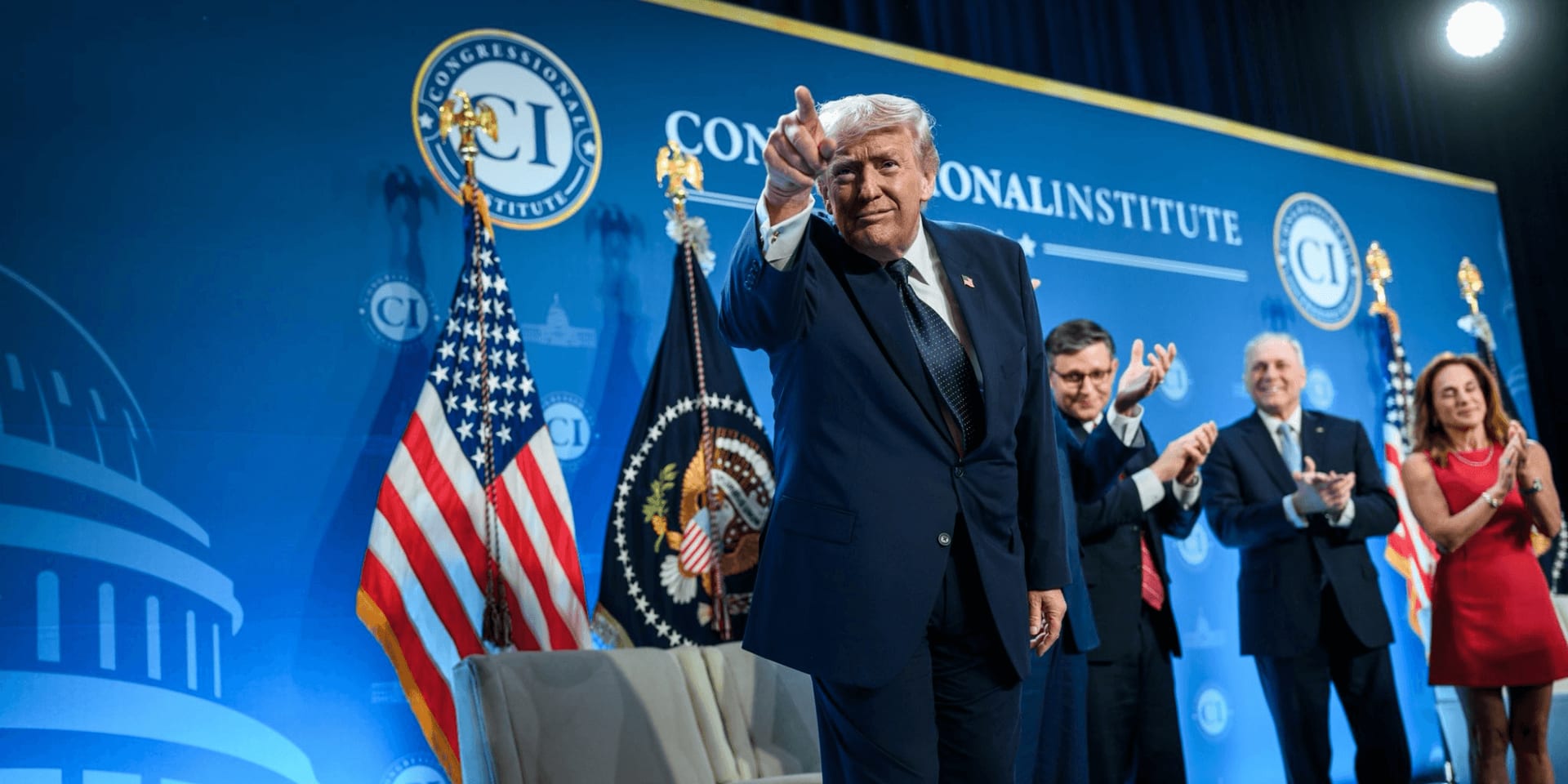
Donald Trump at the Republican Members Issues Conference, 9 March 2026
Photo Credit: Office of Speaker Mike Johnson/Wikimedia
Trump’s Political Influence Dominates Republican Battles
President Trump’s continued dominance over the Republican Party was evident in several high-profile political confrontations this week. One of the clearest examples is the increasingly expensive Kentucky Republican primary battle between longtime Congressman Thomas Massie and Trump-backed challenger Ed Gallrein.
Massie, known for his libertarian positions and occasional opposition to Trump-backed legislation, has become a test case for whether dissenting voices still have space inside the modern GOP. Outside groups and political allies connected to Trump have poured tens of millions of dollars into the race, making it one of the costliest House primaries in American history.
At the same time, tensions within Republican-led states continue to emerge over issues including congressional redistricting and state-level governance. In South Carolina, several Republican lawmakers recently resisted pressure from Trump allies over proposed redistricting changes, signaling that fractures within the party still exist beneath the broader MAGA coalition.
The developments highlight how Trump’s influence continues to shape not only national policy debates but also the internal identity of the Republican Party heading into the midterms.
Photo Credit: Kelly Sikkema/Unsplash
Democrats Eye Senate Opportunities Amid Economic Frustration
Democrats are increasingly optimistic about their chances of reclaiming the Senate in 2026 as concerns about inflation, trade disruptions, and voter dissatisfaction continue to grow. Party strategists are focusing on competitive races in states including Iowa, North Carolina, Ohio, Texas, and Maine, while also experimenting with support for independent candidates in traditionally conservative states.
Economic anxiety remains central to the political landscape. Inflation has remained elevated in recent months, driven in part by global instability and rising energy costs. Although White House economic advisers have projected strong future growth fueled by artificial intelligence investment and manufacturing expansion, many economists remain skeptical of the administration’s more optimistic forecasts.
Democratic candidates are increasingly attempting to frame the election around affordability, institutional stability, and concerns over concentrated executive authority. Republicans, meanwhile, continue emphasizing deregulation, immigration enforcement, and industrial investment as core themes.

Photo Credit: Rinson Chory/Unsplash
Trade and Tariff Battles Continue to Cloud the Economy
The aftermath of the Supreme Court’s tariff ruling continues to ripple through the American economy and global markets. The Trump administration has been exploring alternative legal mechanisms to continue imposing trade restrictions after the Court rejected the broad use of emergency powers for tariffs earlier this year.
Businesses and international trading partners are now navigating a more uncertain regulatory environment as policymakers debate how aggressively the federal government should intervene in global trade. While the administration argues tariffs remain essential for protecting domestic industries and confronting China, critics warn that prolonged trade disputes could contribute to inflation and economic instability.
The broader economic debate increasingly intersects with national security and industrial policy, particularly as the United States competes with China in clean energy, artificial intelligence, and advanced manufacturing sectors. Analysts continue to warn that long-term economic competitiveness may depend on how effectively the U.S. adapts to shifting global energy and technology markets.
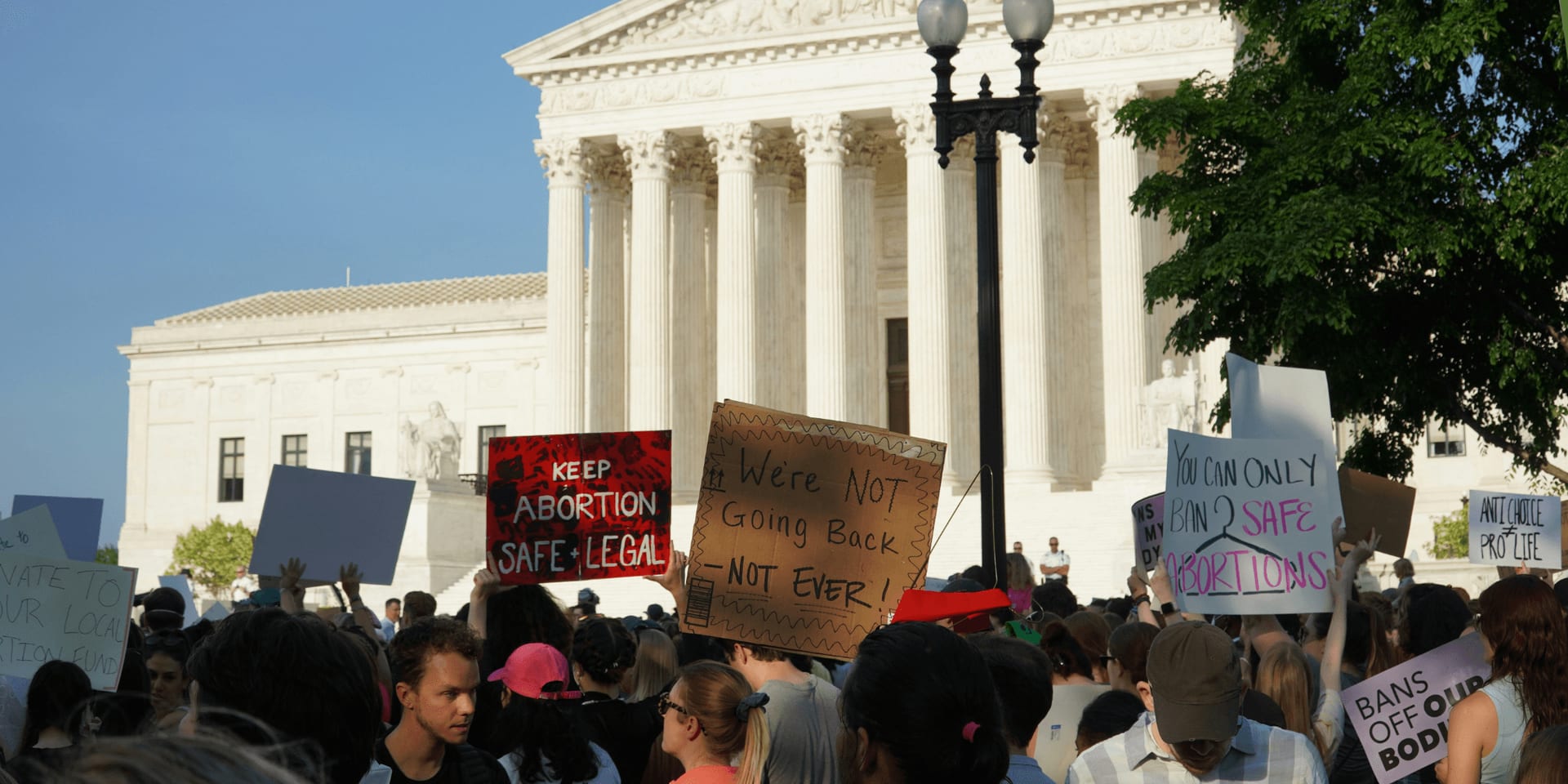
Protestors in front of the Supreme Court on May 3, after a leaked draft opinion showed the court was preparing to overturn Roe v. Wade and push women's rights back by half a century.
Photo Credit: Ian Hutchinson/Unsplash
Abortion and Social Policy Remain Central National Divides
Social policy battles continued to shape the national conversation this week, particularly around abortion rights and federal healthcare regulation. The Supreme Court’s temporary decision preserving access to mailed abortion medication has renewed political mobilization on both sides of the issue.
At the federal level, broader debates continue over public health policy, reproductive healthcare access, and the authority of federal agencies. Recent political disputes involving the FDA and other regulatory bodies have highlighted ongoing tensions between scientific institutions and political leadership.
The issue remains particularly potent in swing states, where both parties are expected to heavily campaign on healthcare access and personal freedoms ahead of the 2026 elections.
Looking Ahead
Attention now turns to several expected Supreme Court rulings before the end of the term, including cases involving executive authority and constitutional rights. Congress is also expected to intensify debates over trade, federal spending, and immigration in the coming weeks.
Meanwhile, both parties are accelerating preparations for the 2026 midterm cycle, with early Senate and House races already emerging as major national battlegrounds. Economic indicators, inflation trends, and future court decisions are likely to shape the political environment through the summer and beyond.