
Phyllis Davis Makes Courtesy A Business Skill
After 41 years, Phyllis Davis brings a human approach to the digital workplace, where trust still depends on everyday choices.

Picture a new hire leaving a virtual meeting unsure whether speaking up helped or hurt. The ideas were sound, but the timing felt wrong. Across the screen, a manager faces another question: How do you correct someone without closing the door to future input? These are everyday tests of business ethics and etiquette. They are also the kind of moments Phyllis Davis addresses, helping people see that professional skill includes how they make others feel heard, respected, and willing to work together again.
Business Ethics And Etiquette For A Changed Workplace
Davis brings 41 years of experience to that work. An expert in ethics and etiquette in American business, she has traveled three million air miles teaching and speaking about how people work together. Her subject may sound familiar, but her focus is current: the choices people make when trust, tone, and judgment matter. Rather than treat courtesy as a set of old social rules, she presents it as a practical skill for people navigating modern work, from their first role to senior leadership.
Her starting point is not that people lack good intentions. It is that many have never received clear guidance. “Somewhere between ‘mind your manners’ and ‘read the room,’ an entire generation stopped learning how to treat people,” Davis says. “Not because they don’t care. Because nobody showed them how.” That view shapes a more useful response than blame. It makes room for people to learn, ask questions, and practice without being defined by a poorly worded email or an awkward first meeting.
Technology gives that mission a fresh setting. Smartphones, email, and virtual meetings have changed where people meet and how they read one another. Davis addresses those tools as part of professional life, not as a separate concern. “All the rules have changed radically since technology, and I specialize in polished professionalism in the digital age,” she says. For her audience, the task is to bring care and sound judgment to exchanges where a screen may hide the cues that once helped guide a conversation.
Davis also carries that mission beyond her own speaking work. As founder and director of The Society of Uncommon Courtesy, she certifies speakers, trainers, and educators to use her curricula in companies. That work gives others a way to teach the skills she has developed through decades of experience. It also reflects the range of her audience. A recent graduate and a chief executive may face different pressures, but both need ways to speak clearly, listen well, and handle friction without losing sight of the person involved.

Bringing Business Ethics And Etiquette Into Focus
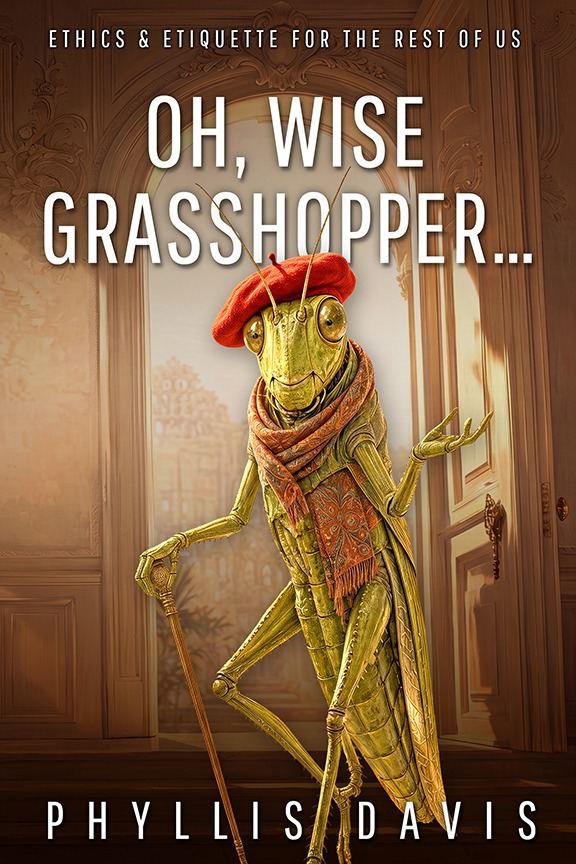
Her new book, published in October, brings those concerns together. Oh, Wise Grasshopper…™ Ethics & Etiquette for the Rest of Us combines warmth, humor, philosophy, and practical lessons in high-level business diplomacy. Its audience includes new hires, managers, and the C-suite. The title signals an accessible approach to a subject that can feel stern or distant. Davis wants readers to engage with the choices behind their conduct, rather than simply memorize a list of rules and hope each one fits the next situation.
The book marks another way to share that teaching beyond a live event. A reader can pause over a point, revisit an example, or consider how a lesson applies to a recent exchange. Davis describes its purpose directly: “My new book, Oh, Wise Grasshopper…™ Ethics & Etiquette for the Rest of Us, offers the sought-after skills for diplomacy for building long-term relationships in business and your personal life.” The focus is on relationships that last, not a polished performance that ends when a meeting does.
Critical thinking is one part of that work. Davis teaches readers to spot roadblocks before they become brick walls. She also explores cause-and-effect communication, summed up in the plain phrase “do this, get that.” Together, those ideas invite people to look past what they meant to say and consider what their words may prompt next. Before sending a message or raising a concern, a professional can ask a useful question: Does this approach support the result I want, or make it harder to reach?
Listening receives attention alongside speaking. Davis connects both skills to leadership and the ability to work well with others. A clear message matters, but so does the willingness to hear an answer that challenges an assumption. Her use of relatable stories, humor, and practical examples gives readers a way into those lessons. The aim is not to make every exchange formal. It is to help people respond with enough thought and care that others can understand them, trust their intent, and contribute in return.
Where Courtesy Meets Accountability
What distinguishes Davis is her choice to teach etiquette through real situations rather than rigid traditions. Her approach pairs practical experience with examples professionals can apply in daily work. That places the emphasis on judgment: knowing when to speak, how to raise a hard point, and when to listen longer. It also links courtesy with accountability. A culture of trust needs more than pleasant words. People must consider how their conduct affects colleagues and whether their actions support the standards they expect from others.
That link between conduct and values has drawn notice. The Long Beach Business Journal described Davis’s position this way: “Davis contends that etiquette is an extension of an individual’s larger ethical values.” Rear Admiral Mack C. Gaston, U.S. Navy (Ret.), likewise praised her practical advice for people who collaborate, saying it “creates goodwill for success for all people in every kind of business.” Those observations reflect the heart of her work: courtesy has meaning because it shapes the experience of working with another person.
For Davis, this is a teachable skill, not a gift reserved for naturally outgoing people. “Anyone can learn these modern skills, whether you're a young professional, a manager, or a leader,” she says. That belief gives her message a hopeful quality without requiring anyone to adopt a new personality. The work starts with attention: notice the room, consider the context, and take responsibility for the exchange. Across career stages, her goal remains the same: help people communicate with confidence, build trust, and become leaders others respect.
For readers considering their next step, Oh, Wise Grasshopper…™ Ethics & Etiquette for the Rest of Us offers a place to explore business ethics and etiquette through familiar workplace concerns. It may also serve as a thoughtful holiday gift for a new graduate, colleague, or manager interested in stronger relationships. Explore Davis’s book and teaching to see how her approach addresses the conversations that fill a working day: the email that needs care, the meeting that needs a better listener, and the relationship worth building over time.
Explore More About Phyllis Davis
Connect with Oh, Wise Grasshopper, LinkedIn, and YouTube.