Prof. Robert Stewart Ph.D Raises Questions About Abridge AI and Patient Privacy During Ongoing Litigation
Prof. Robert Stewart Ph.D urges greater transparency about AI assisted medical documentation, informed consent, and patient privacy.
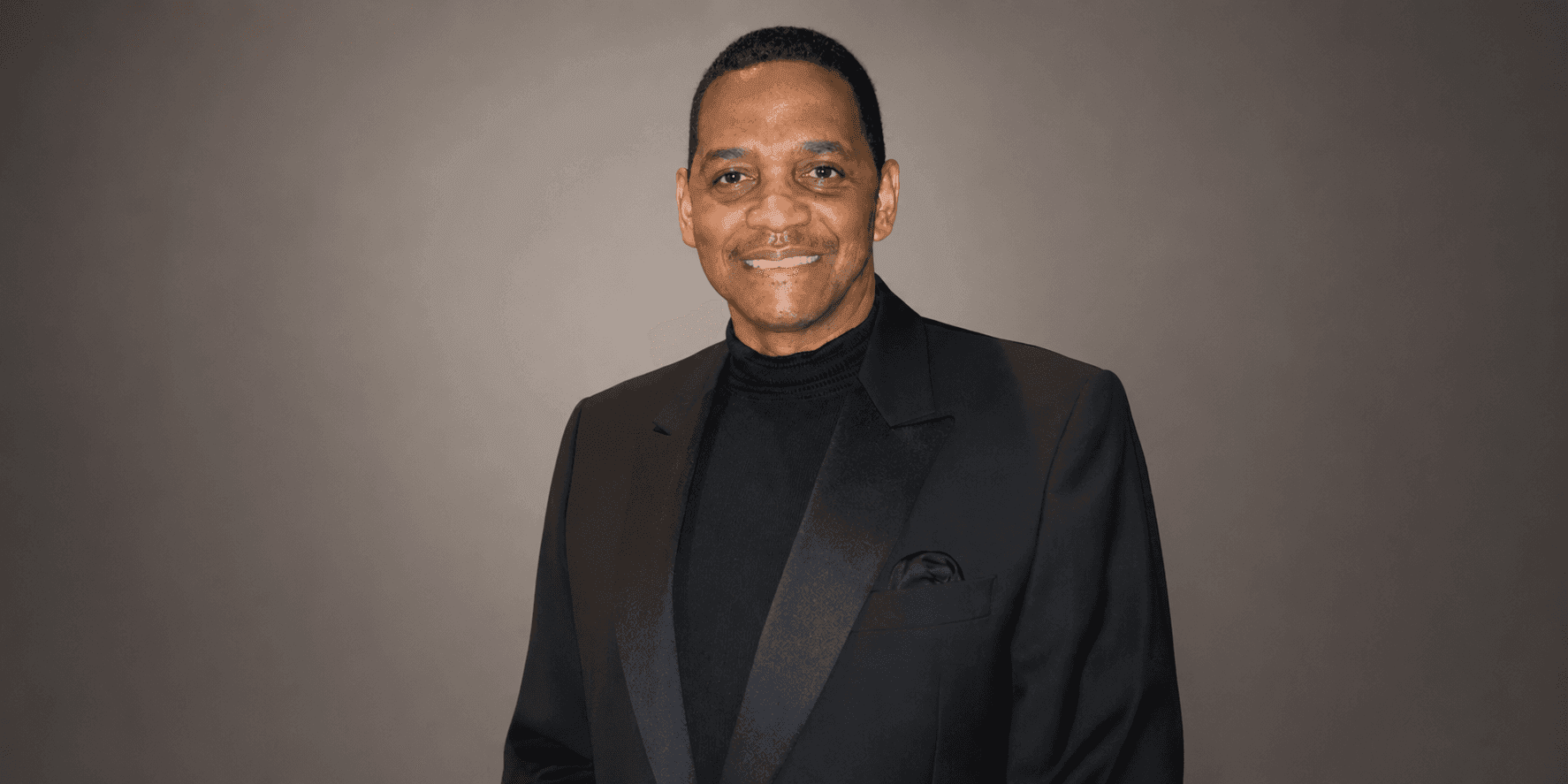
Artificial intelligence is transforming healthcare by helping physicians streamline documentation and administrative tasks. As these technologies become more common, they are also raising important questions about patient privacy, informed consent, and the handling of sensitive medical information. For Prof. Robert Stewart Ph.D, those questions have become personal. Through his ongoing litigation involving the use of “Abridge AI” medical documentation platform during appointments with a physician, Stewart hopes to inform the general public that all doctors must ask a patient's permission before using any AI tool during appointments because they make “audio” recordings of the entire office encounter. It is a violation of the California Invasion of Privacy Act (CIPA) to audio record any citizen, in a private setting, without Two-party consent. Stewart says: “I discovered these CIPA violations by reading and copying my former Doctor's After-Visit Notes.”
Prof. Robert Stewart Ph.D has spent decades building a career that spans science, music, education, work for the Government, and public speaking. He earned a Doctor of Science in Astronomy from the University of California, Berkeley, and later received an honorary doctorate in World Religions from Provident University in Delaware. Stewart is also a respected multi-instrumentalist, composer, and producer whose albums The Force and In the Gutta were released by Quincy Jones through Qwest and Warner Bros. Records. As lead tenor saxophonist on Wynton Marsalis' Pulitzer Prize winning Blood on the Fields, Stewart earned recognition from leading critics and fellow musicians for his distinctive sound and creative improvisation.
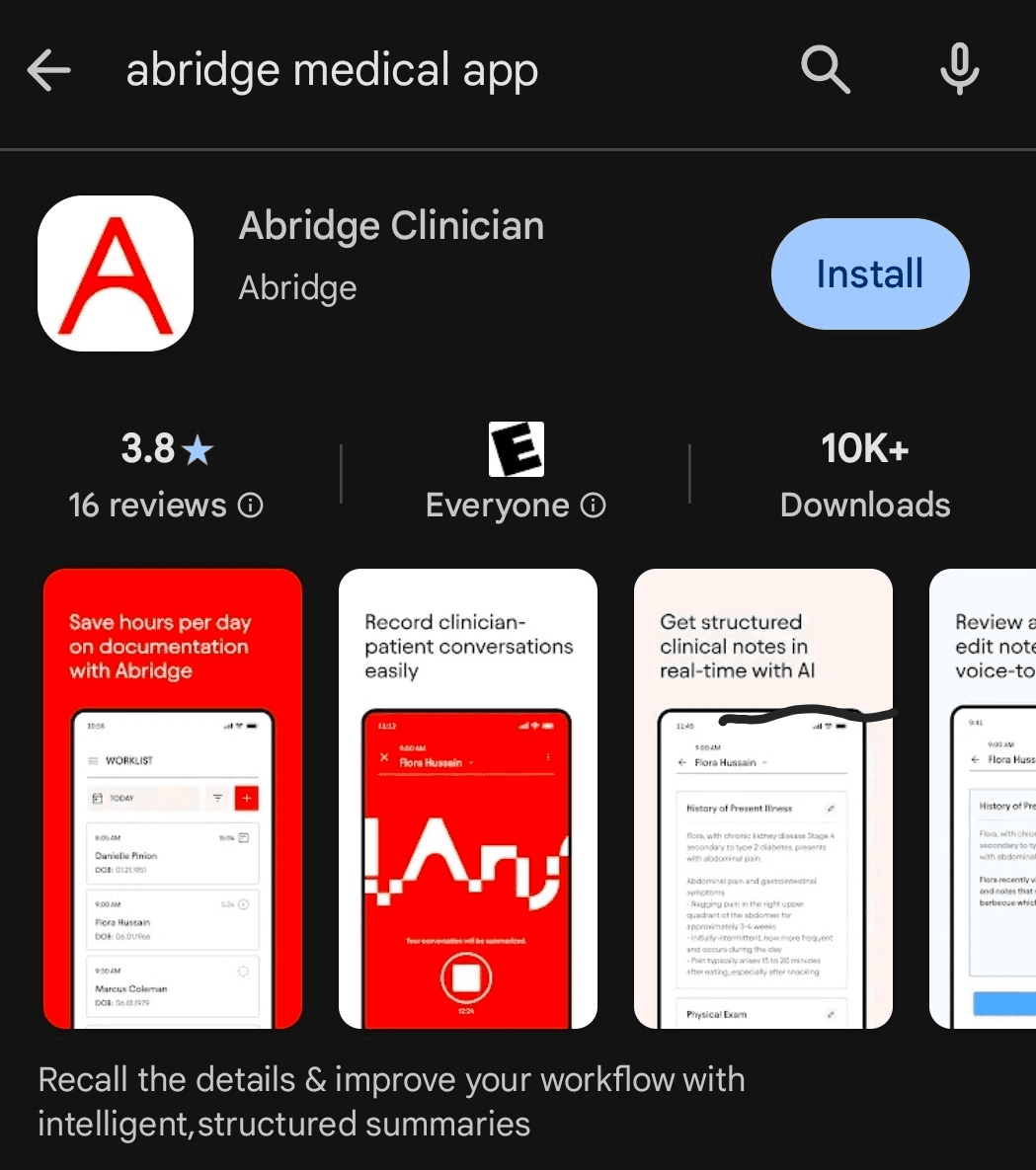
Today, Stewart's attention is focused on a different issue. He stated that during five medical appointments, conversations between himself and his physician were recorded by the Abridge AI application. This company is “not” sanctioned by the California Medical Board to receive or store any Medical Patient’s private Medical Records. Abridge AI is merely a private company.
According to Stewart, his experience raises broader concerns that extend beyond his individual case. He believes patients should always be informed when artificial intelligence technologies are used during medical appointments and should clearly understand how their personal health information may be processed, stored, or shared with third party technology providers. Stewart argues that Informed Consent is a fundamental component of the patient physician relationship that is engrained in the by-laws of The American Medical Association of America. “Informed Consent” in Medicine is your right.
Stewart describes himself as a whistleblower who wants to increase public awareness about the expanding role of artificial intelligence in medicine. Rather than limiting his efforts to the courtroom, he hopes to encourage patients to ask questions about the technologies being used during their appointments and to seek clear explanations about how their medical information is handled. In his view, innovation should be accompanied by transparency so patients can make informed decisions regarding their own healthcare.
"We The People still have civil and medical rights in this country," Stewart says. He believes healthcare providers and technology companies should communicate openly with patients about AI assisted documentation tools and the role these systems play in creating medical records. Stewart also hopes his legal case will contribute to a broader national discussion about balancing technological innovation with privacy, accountability, and patient autonomy.
The use of artificial intelligence in healthcare continues to evolve, and many organizations maintain that AI documentation platforms are designed to improve efficiency while operating within applicable privacy laws and regulatory requirements. Stewart believes the opposite: “These tools are simply modern Orwellian manifestations designed to deprive ordinary citizens of their right to privacy.” Regardless of how his litigation is ultimately resolved, he hopes his experience encourages meaningful conversations about consent, transparency, and trust between patients and healthcare providers. He says: “My primary reason for coming forward is for the sake of children whose parents probably don't think to ask Doctors about audio recordings in their offices.”
Beyond this issue, Stewart continues to write, lecture, and publish on science, religion, music, and cultural topics. Readers interested in learning more about his work can visit www.professorrobertstewart.org, follow him on X (@ProfRobStew), connect on Facebook, explore his books on Amazon, watch his content on YouTube (@ProfRobertStewart), or read about his musical career on Wikipedia.
Disclaimer:
This article is for informational purposes only and is not intended to promote, encourage, or provide legal advice or commentary regarding ongoing litigation or disputes involving artificial intelligence in healthcare. Always consult a qualified attorney, healthcare provider, or other appropriate professional before making decisions related to patient privacy, informed consent, medical documentation technologies, or legal matters, especially if doing so may have legal, financial, or personal consequences. The author and publisher are not responsible for any losses, damages, or outcomes resulting from the use of or reliance on the information provided.