
Red Sea Tensions, Trade Friction, and Severe Weather Shape a High-Stakes Day
The nation’s top stories are being shaped by mounting international security concerns, renewed economic pressure, and widespread threats to public safety. Developments in the Middle East are reverberating through energy markets, while trade tensions, inflation worries, and severe weather continue to affect policymakers, businesses, and communities across the United States.
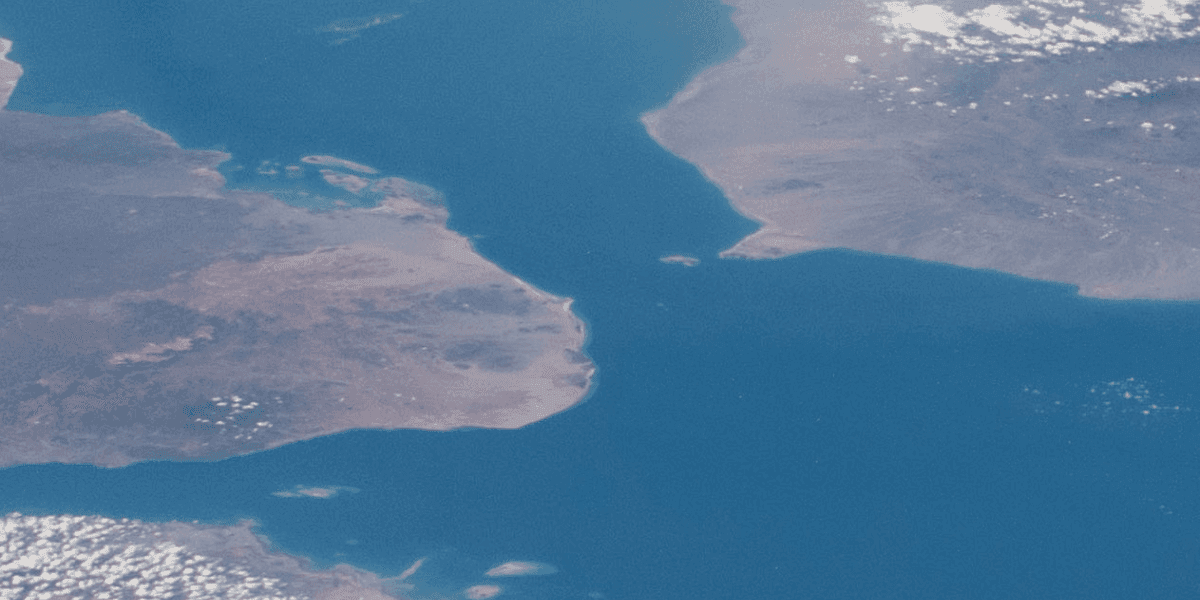
Trump Signals Continued Pressure on Houthis Amid Middle East Conflict
President Donald Trump reiterated that the United States would respond if Houthi forces interfere with shipping serving Saudi Arabia, expanding on U.S. efforts to protect maritime commerce in the Red Sea. The comments come as the broader conflict involving Iran and its regional allies continues to affect international shipping routes and global energy markets.
During meetings with Lebanese President Joseph Aoun in Washington, Trump also announced that U.S. airlines would again be permitted to operate direct flights to Lebanon for the first time in decades. The discussions focused on regional security cooperation and efforts to strengthen the Lebanese Armed Forces while addressing Hezbollah's influence.
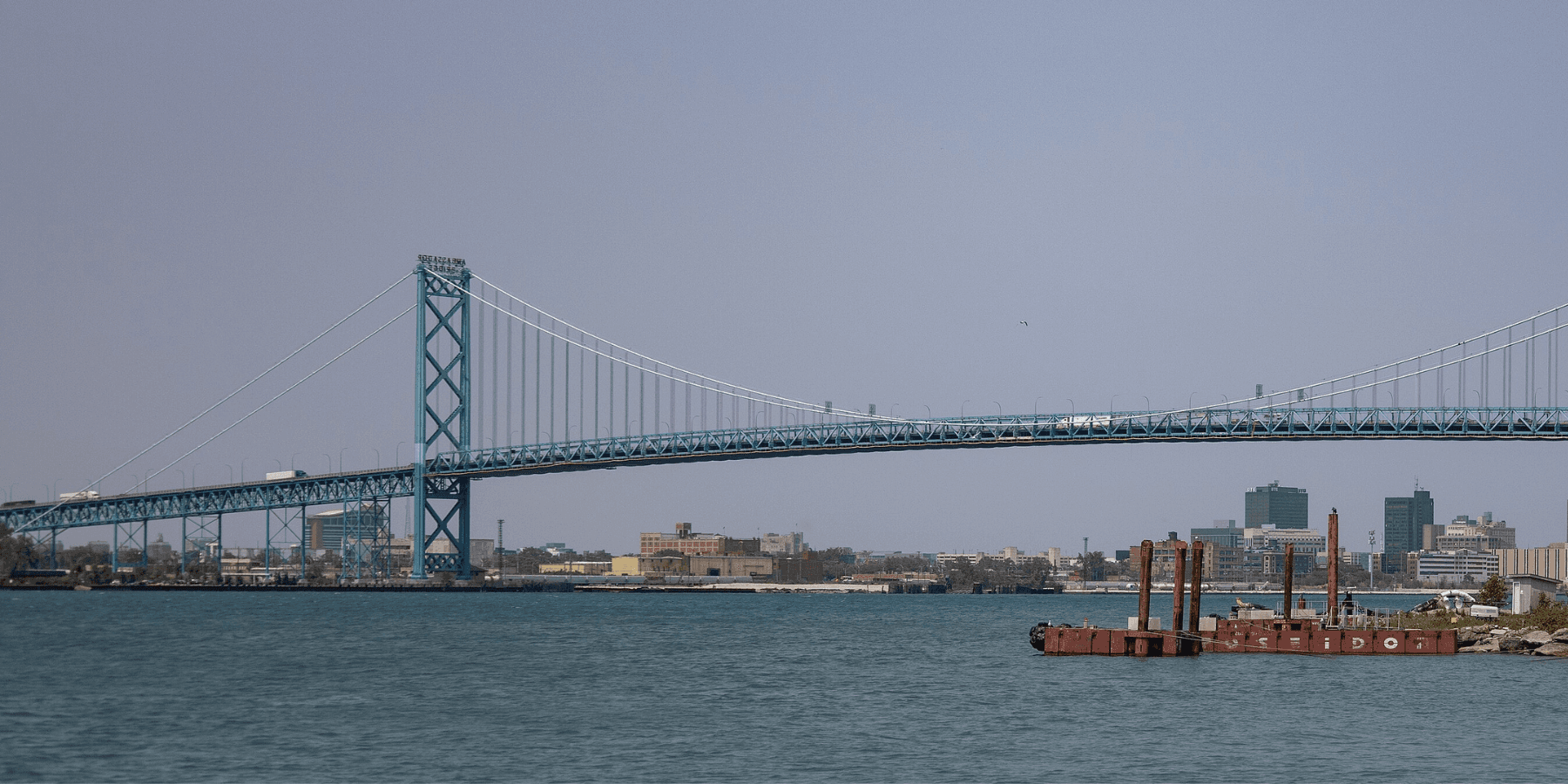
Photo Credit: Crisco 1492/Wikimedia (Cropped)
Trade Dispute with Canada Continues to Escalate
Economic tensions between the United States and Canada remained a major story as the administration defended recently announced 50% tariffs on many Canadian imports. The move has prompted criticism from economists and Canadian officials, who argue it risks disrupting North America's integrated economy and could lead to retaliatory measures.
Markets are closely watching the dispute for its potential effects on consumer prices, manufacturing supply chains, and cross-border commerce. Businesses dependent on U.S.-Canada trade continue evaluating how prolonged tariffs could affect production costs and investment decisions.

Photo Credit: 42-BRT/Wikimedia (Cropped)
Federal Reserve Expected to Hold Interest Rates Steady
Financial markets remain focused on the Federal Reserve's next policy decisions amid persistent inflation concerns. While most economists expect the Fed to leave interest rates unchanged in the near term, many also believe another rate increase remains possible if inflation proves more stubborn than anticipated.
Investors are balancing mixed economic signals, including relatively resilient employment data alongside continued geopolitical uncertainty that has pushed energy prices higher. The outlook for inflation and borrowing costs remains one of the most closely watched issues for businesses, consumers, and financial markets alike.
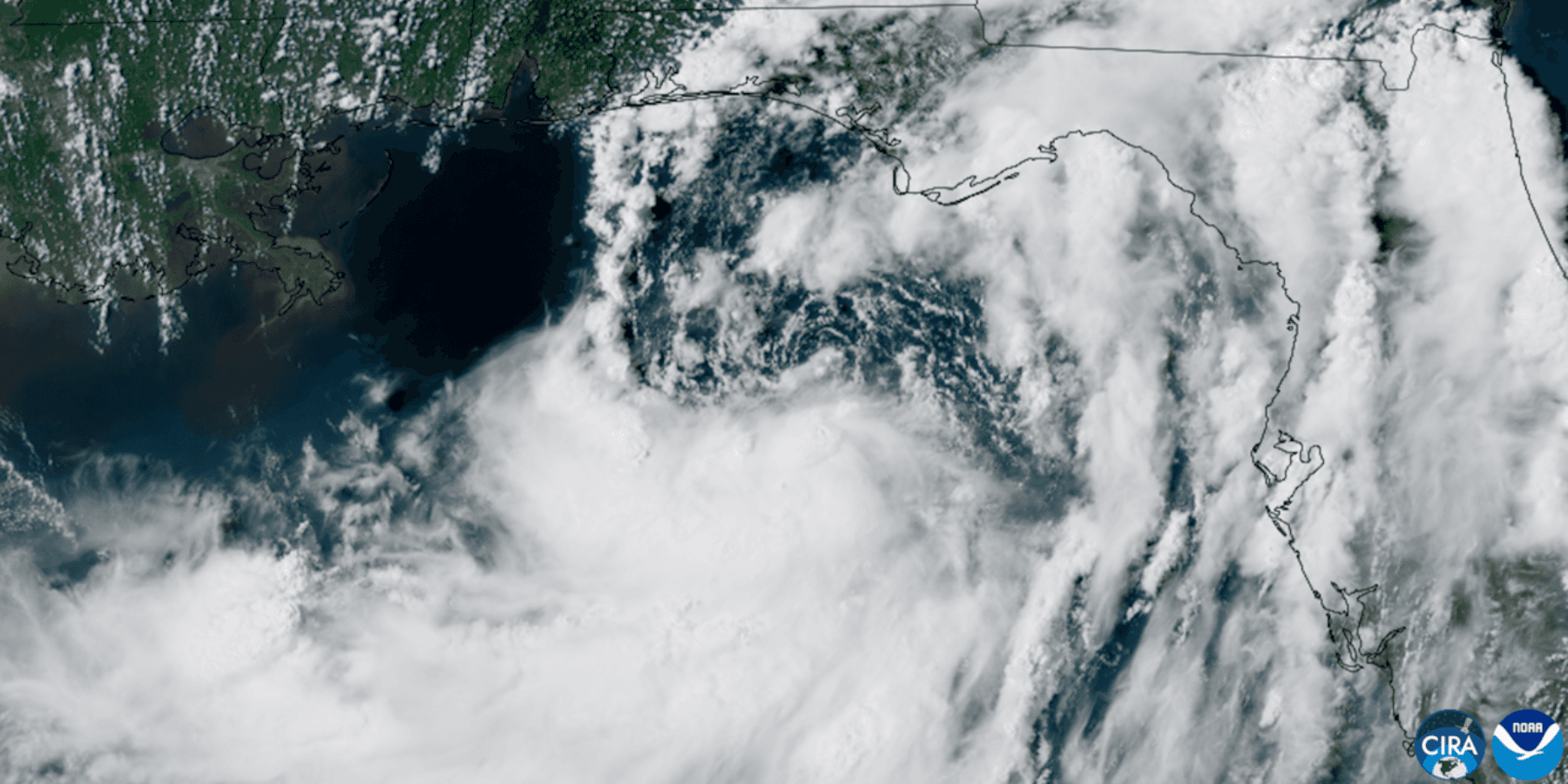
Photo Credit: GOES imagery: CSU/CIRA & NOAA/Wikimedia
Millions Face Threat of Severe Storms Across the Eastern United States
A significant severe weather outbreak is expected to affect much of the eastern United States, with more than 100 million people under some level of risk for damaging thunderstorms, tornadoes, large hail, and flash flooding. Forecasters warned that already saturated ground could increase the likelihood of dangerous flooding in urban and low-lying areas.
Emergency officials urged residents in affected regions to monitor local forecasts closely as storms move through heavily populated corridors, including portions of the Northeast and Mid-Atlantic. Transportation disruptions and localized power outages remain possible as the weather system advances eastward.
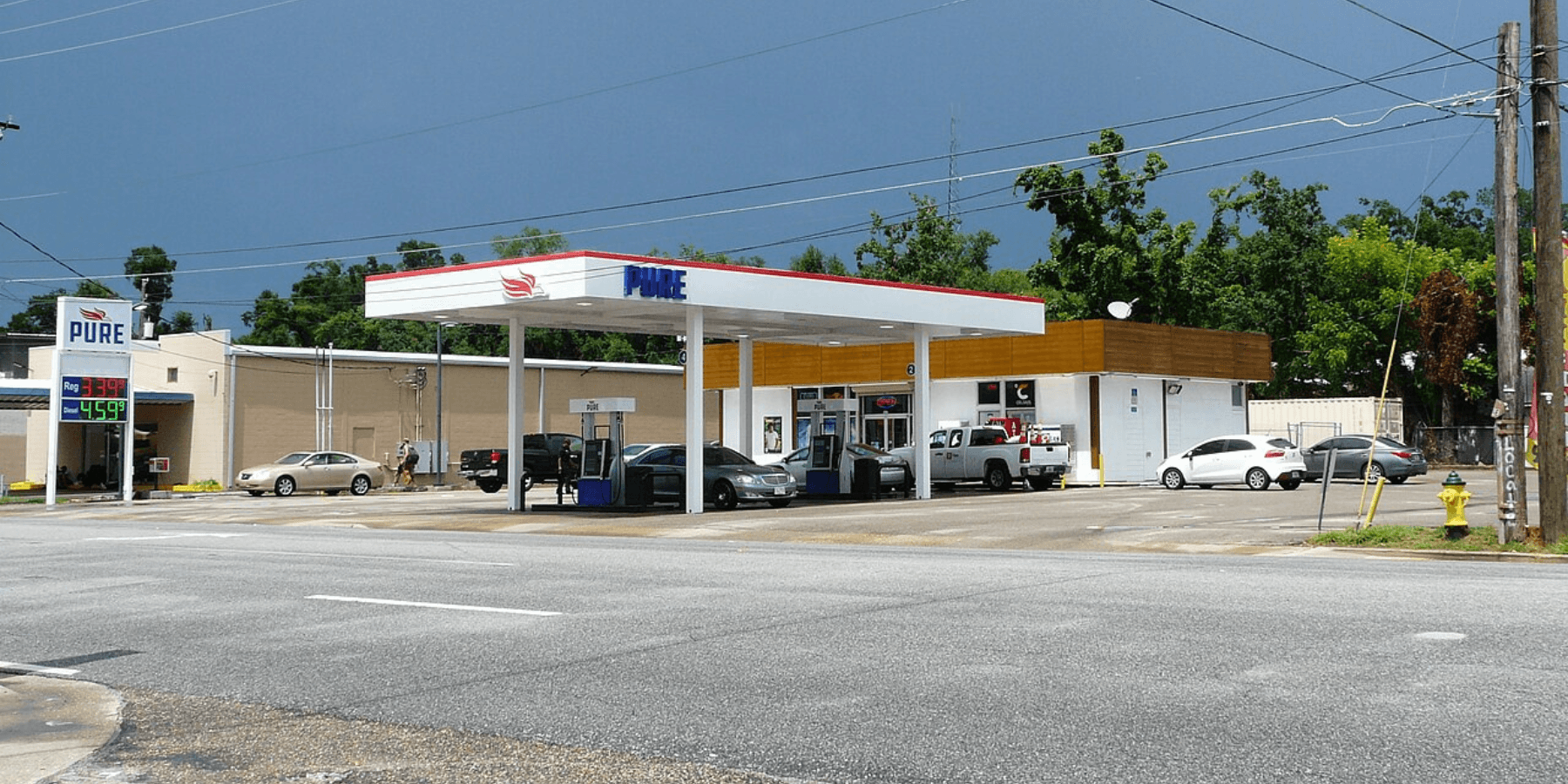
Photo Credit: The Bushranger/Wikimedia (Cropped)
Energy Markets Remain Sensitive to Global Security Risks
Continuing instability in the Middle East has kept pressure on global oil markets. Concerns over attacks affecting shipping lanes and energy infrastructure have contributed to elevated crude oil prices, raising the possibility of higher fuel costs for American consumers if disruptions persist.
Analysts note that geopolitical developments are increasingly influencing broader economic expectations, with energy costs feeding into inflation forecasts and business planning. The interaction between foreign policy, commodity markets, and domestic economic conditions remains a central issue for policymakers and investors.
Looking Ahead
Attention in the coming days will center on whether tensions in the Middle East continue to escalate, the response from Canada to ongoing trade measures, and any new signals from the Federal Reserve regarding inflation and interest rates. Meanwhile, emergency officials across the eastern United States will continue monitoring the severe weather threat, while markets remain alert to developments that could affect energy prices and the broader economic outlook.