Rising Heat, Global Tensions, and Economic Signals Shape America’s Day
The United States confronted a convergence of global conflict pressures, domestic economic shifts, and escalating climate concerns. From rising tensions in the Middle East affecting U.S. policy to record-breaking heat across multiple states, the day’s developments underscored the interconnected nature of national and global challenges. Meanwhile, economic indicators and cultural events reflected a country navigating uncertainty while maintaining forward momentum.

By
Mar 20, 2026
Trump Administration Escalates Rhetoric Amid Iran Conflict
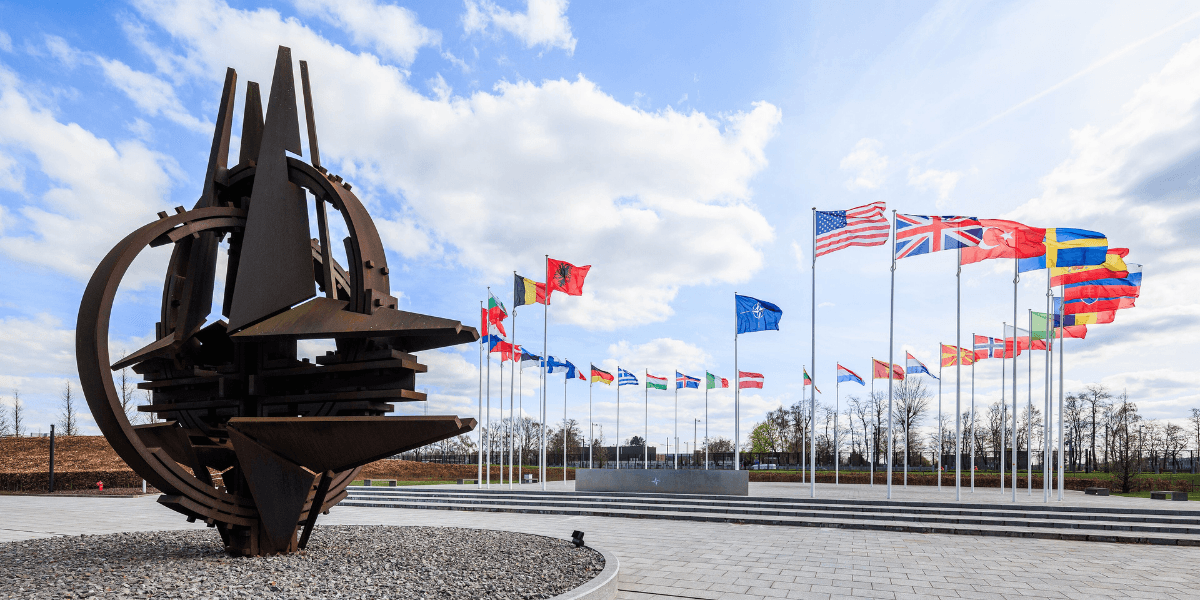
President Donald Trump intensified criticism of NATO allies, accusing them of failing to support efforts to secure vital global shipping lanes as Iranian attacks on oil and gas infrastructure continue. The Strait of Hormuz, a critical chokepoint for global energy supplies, has become a focal point of concern as instability threatens oil markets and U.S. strategic interests.
At the same time, the Pentagon signaled a deeper U.S. military commitment by deploying additional troops to the Middle East. The move comes amid ongoing strikes and counterstrikes involving Iran and U.S.-aligned forces, raising concerns about broader regional escalation and its potential economic ripple effects at home.
Record-Breaking Heat Wave Sweeps Across the United States
A historic early-season heat wave is gripping large portions of the country, with temperatures soaring far above seasonal norms. Cities across the West and central U.S. are experiencing conditions more typical of peak summer, with some areas exceeding 100°F in March—shattering longstanding records.
Climate scientists warn that such extreme heat events would be “virtually impossible” without human-driven climate change. The unusual timing and intensity of the heat wave have raised alarms about infrastructure strain, public health risks, and the increasing frequency of extreme weather patterns nationwide.

Mortgage Rates Dip Slightly Amid Economic Uncertainty
In a closely watched economic development, mortgage rates declined modestly, with the average 30-year fixed rate falling to approximately 6.32%. While this marks an improvement from higher levels seen in recent years, borrowing costs remain elevated compared to historical lows, reflecting persistent inflation concerns and global instability.
The Federal Reserve has maintained its benchmark interest rate, signaling a cautious approach as policymakers weigh inflation control against economic growth. Housing market activity remains uneven, with refinancing applications dropping sharply despite the slight easing in rates.
March Madness Captures National Attention
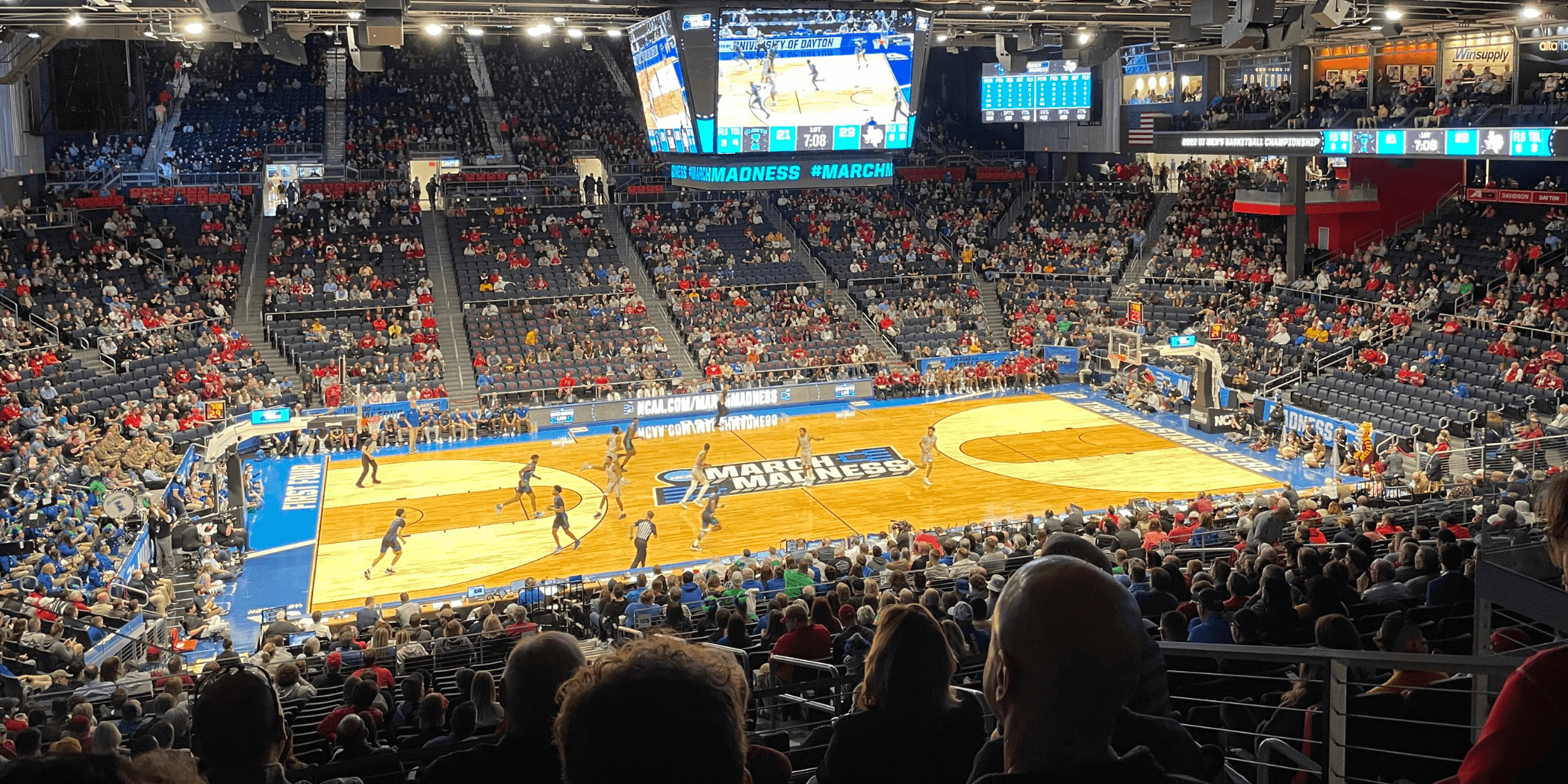
The NCAA men’s basketball tournament is in full swing, dominating television schedules and public attention. First-round games continued on March 20, with top-seeded teams like UConn entering high-stakes matchups as millions of Americans tuned in.
The tournament’s cultural footprint extended beyond sports, as major networks adjusted programming to accommodate the event. CBS temporarily pulled several regular shows, including “The Price Is Right,” highlighting the tournament’s powerful influence on national media consumption.
Severe Weather and Climate Extremes Continue to Impact the Nation
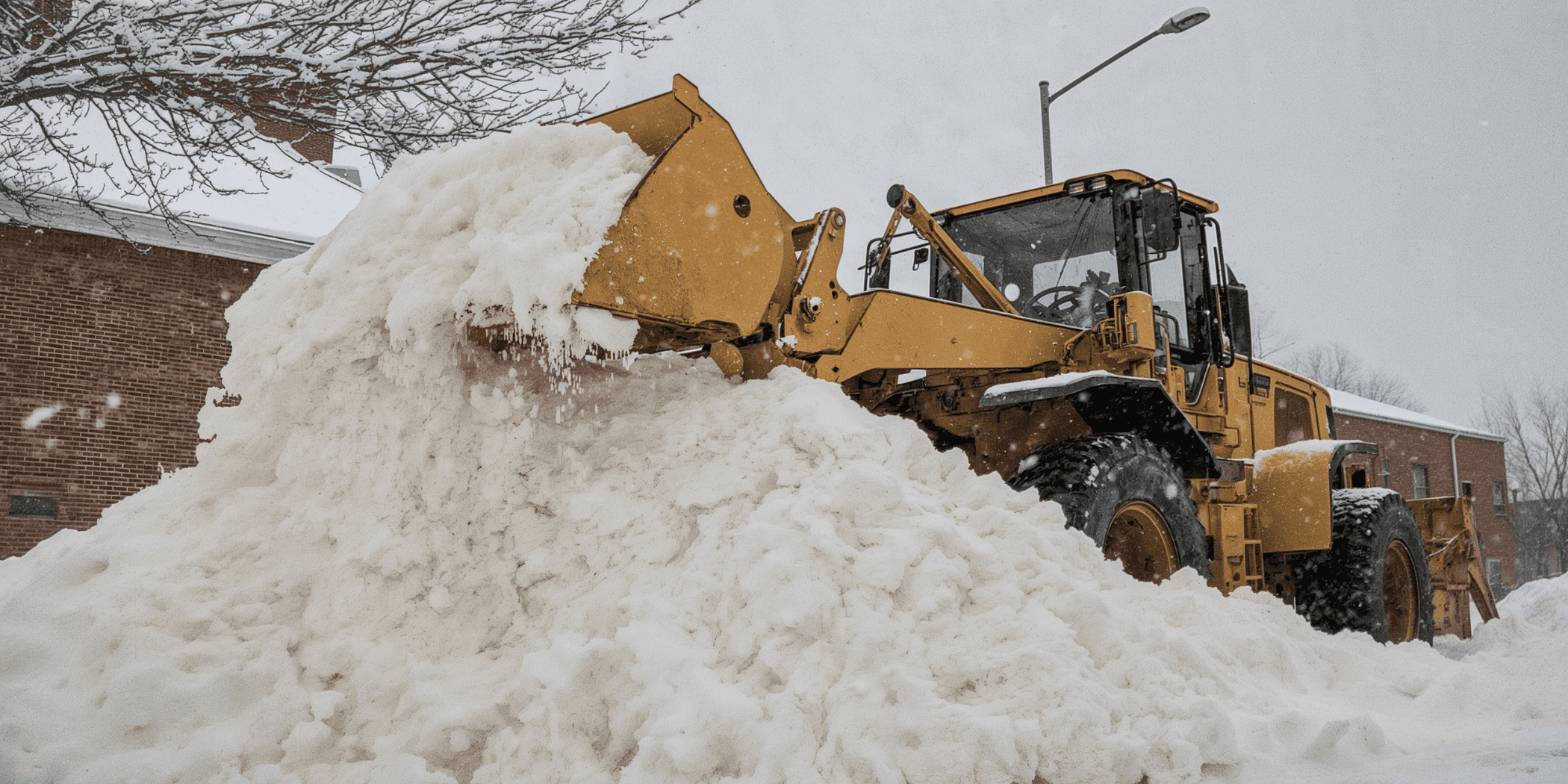
Beyond the heat wave, the U.S. is experiencing a broader pattern of extreme weather events. Earlier in the month, multiple severe storm systems—including tornado outbreaks and a major snowstorm—caused fatalities, injuries, and widespread disruption across several regions.
This combination of severe storms followed by record heat illustrates the growing volatility of the nation’s climate systems. Experts warn that such rapid swings between extremes are becoming more common, posing challenges for disaster preparedness and infrastructure resilience.
Looking Ahead
As the U.S. moves into the final weeks of March, attention will remain fixed on developments in the Middle East and their potential economic consequences, particularly for energy prices and inflation. Domestically, policymakers and communities are expected to grapple with intensifying climate impacts, while financial markets watch for signals from the Federal Reserve. Meanwhile, March Madness will continue to unify and distract the nation, offering a brief reprieve amid a complex and evolving news