
Roth Conversions After 59½: Reducing Taxes Before Retirement
Taxes remain one of the few retirement risks that can still be managed before retirement begins. A well-executed Roth conversion strategy can transform future uncertainty into long-term financial control—turning today’s planning into tomorrow’s flexibility.
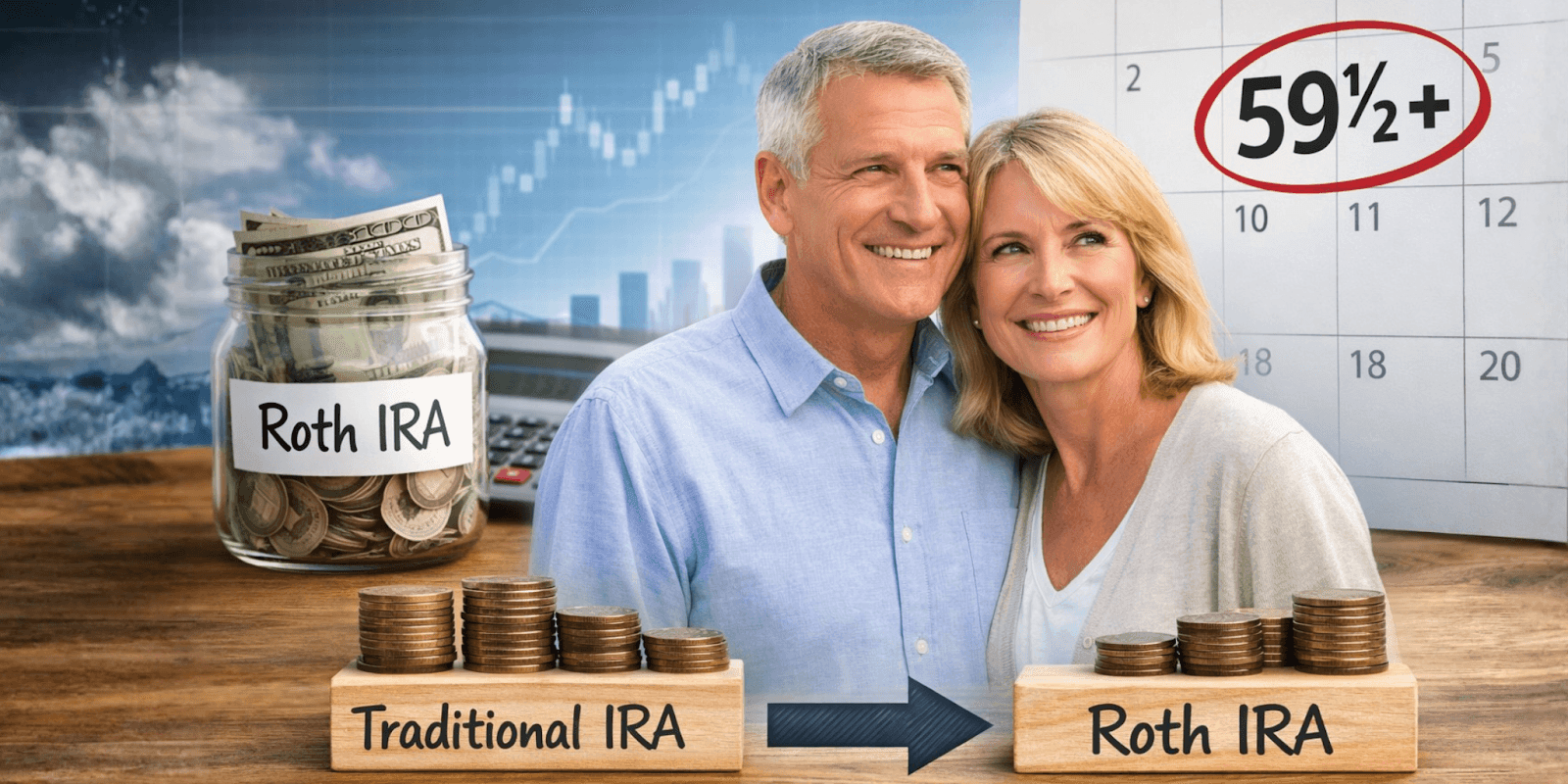
NATIONWIDE - DECEMBER 2025 - (USAnews.com) For many Americans, retirement planning has traditionally focused on accumulating assets. But as retirement approaches, a more pressing question comes into focus: how much of that money will still belong to you after taxes?
For individuals over age 59½ who have the financial capacity to plan ahead, Roth conversions can be one of the most effective—and often overlooked—strategies to reduce future taxes and gain greater control over retirement income.
A Key Age Milestone
Reaching age 59½ marks an important turning point in retirement planning. At this age, funds can be withdrawn from traditional retirement accounts without the 10% early-withdrawal penalty. While taxes still apply, the removal of the penalty opens the door to intentional, strategic decisions rather than forced outcomes later in life.
At this stage, the focus shifts from saving more to optimizing what you keep.
Understanding a Roth Conversion
A Roth conversion involves transferring funds from a tax-deferred account, such as a traditional IRA or rollover IRA, into a Roth IRA. The converted amount is taxed in the year of conversion, but once inside the Roth, future growth and qualified withdrawals are tax-free. In addition, Roth IRAs are not subject to required minimum distributions during the owner’s lifetime.
In essence, a Roth conversion allows individuals to prepay taxes at a time of their choosing, rather than being subject to potentially higher taxes later.
Why Taxes Often Rise in Retirement
Many retirees expect their tax burden to decline once they stop working. In reality, several factors can push taxes higher as retirement progresses. Required minimum distributions beginning at age 73 can increase taxable income, Social Security benefits may become taxable, and Medicare premiums often rise with income. At the same time, deductions tend to shrink, and future tax rates remain uncertain.
Roth conversions can help shift taxable income into earlier years—often before Social Security and required distributions begin—reducing the long-term tax impact.

A Simple Case Study
Consider Mark and Susan, both age 62, recently retired. They delay Social Security until age 67 and live primarily on savings and part-time consulting income. Their taxable income during these years is relatively low.
Working with a multi-year strategy, they convert a portion of their traditional IRA to a Roth IRA each year, carefully staying within a favorable tax bracket. By age 73, when required minimum distributions would normally begin, their traditional IRA balance is significantly smaller, and a large portion of their retirement assets now sit in Roth accounts.
The result is lower required distributions, more tax-free income flexibility, and reduced exposure to higher Medicare premiums later in retirement.
Who Benefits Most After 59½
Roth conversions tend to be most effective for individuals who have stable cash flow, expect similar or higher tax rates in retirement, and want to reduce future required distributions. They are particularly attractive for those in the window between retirement and the start of Social Security or mandatory withdrawals.
Common Pitfalls
Despite their benefits, Roth conversions should be handled carefully. Converting too much in one year can push income into higher tax brackets or increase Medicare premiums. Using retirement funds to pay the conversion tax can undermine the long-term benefit, and failing to coordinate conversions with Social Security or state taxes can reduce overall efficiency.
For these reasons, Roth conversions are best approached as a multi-year planning strategy, not a one-time decision.
The Value of Tax-Free Flexibility
One of the greatest advantages of Roth assets is flexibility. Roth withdrawals do not increase taxable income, do not trigger required distributions, and can be used strategically alongside pensions, Social Security, and other income sources. This flexibility often translates into better cash-flow control and greater peace of mind throughout retirement.
The RESO Perspective
At RESO YOUR FINANCES, retirement planning is measured not by account balances alone, but by after-tax income control. When designed thoughtfully, Roth conversions can reduce lifetime taxes, smooth income, and provide protection against future tax uncertainty.
For individuals over 59½ with the capacity to plan ahead, Roth conversions are not merely a tax tactic—they are a cornerstone of modern retirement strategy.
Final Thought
Taxes remain one of the few retirement risks that can still be managed before retirement begins. A well-executed Roth conversion strategy can transform future uncertainty into long-term financial control—turning today’s planning into tomorrow’s flexibility.
For those seeking a thoughtful approach to planning for the years ahead, RESO Your Finances offers a guiding perspective: Retirement should support how you want to live, not just how long you’ve worked. It’s a new stage one that deserves thoughtful preparation, meaningful protection, and the confidence to enjoy what comes next.
To learn more about RESO Your Finances and Vincent Emery’s approach to retirement planning, visit https://resoyourfinances.com or connect with their team on LinkedIn, Facebook, or YouTube. Read client reviews on TrustPilot.