
Shifting Symbols and Rising Tensions — U.S. Enters a New December with Policy Changes, Security Shifts and Cultural Flashpoints
As the final month of 2025 begins, a series of policy updates, foreign‑policy realignments, and national controversies signal a sharper direction under the current administration. From reshaped immigration and national‑security strategies to renewed cultural debates and infrastructure anxieties, Americans are witnessing significant changes over a short span. Saturday’s headlines reflect both effort and friction — whether in Washington offices, Capitol Hill, or communities across the country.
NPS Drops MLK Day and Juneteenth From Free‑Admission, Adds Trump Birthday
The National Park Service announces sweeping changes to its public‑access calendar for 2026, removing free admission on Martin Luther King Jr. Day and Juneteenth — both longstanding days honoring civil‑rights history — while adding free admission on Flag Day, which coincides with Donald J. Trump’s birthday. Critics, including civil‑rights advocates and Democratic lawmakers, denounce the move as an attempt to downplay historic struggles for racial justice while elevating the personal legacy of the president. The decision underscores how symbolic anniversaries remain contested ground under shifting political leadership.
Trump Hosts Kennedy Center Honorees, Puts Spotlight on Cultural Power
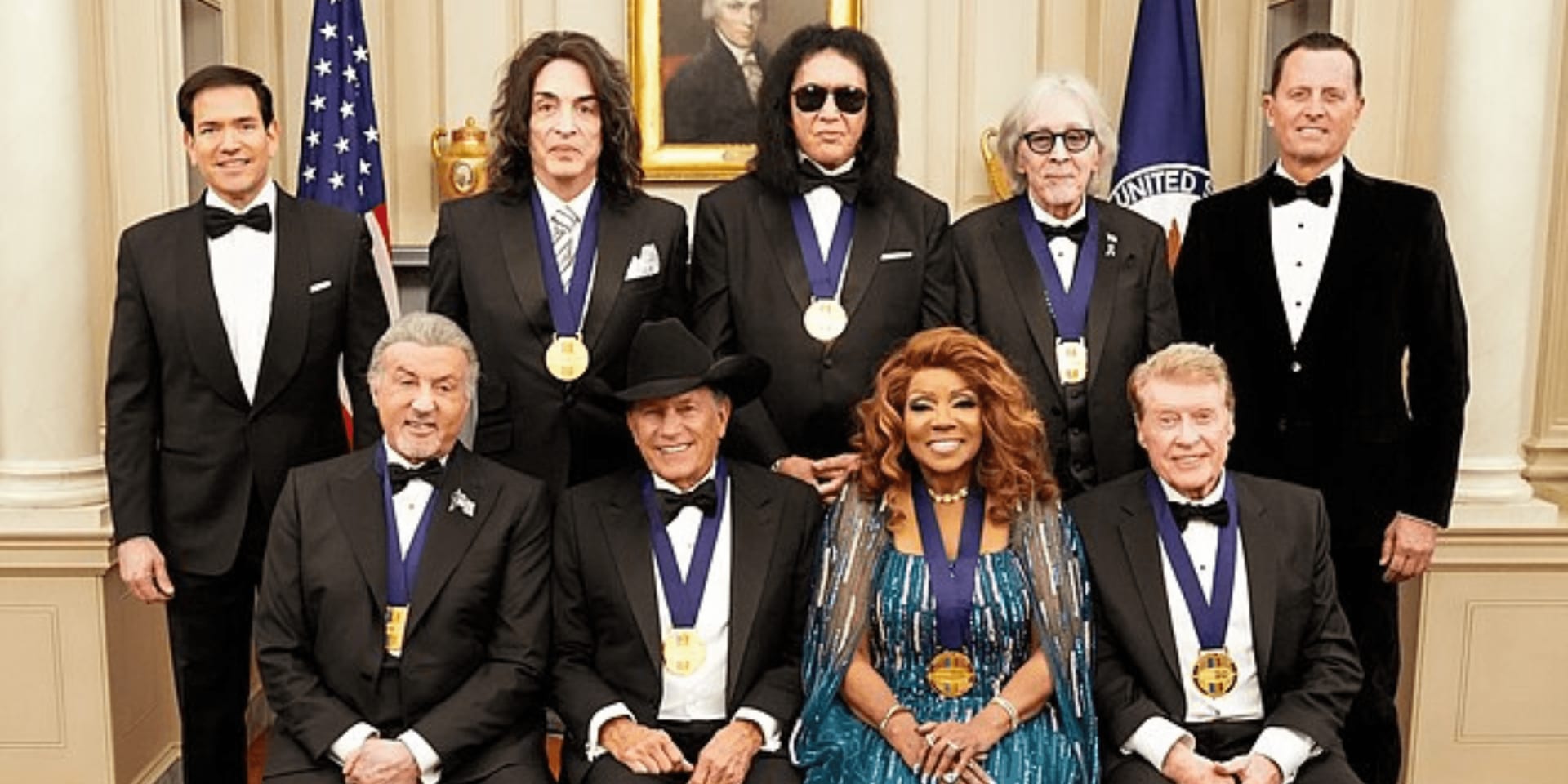
In the Oval Office, President Trump hosts the 2025 recipients of the Kennedy Center Honors — including major entertainers and historic figures — marking the first time a sitting president personally leads the awards ceremony in his second term. Trump praises the honorees’ cultural impact and describes them as “the most accomplished and renowned class of Kennedy Center honorees ever assembled.” The president also jokes about his hosting abilities and teases high ratings for the televised version of the event, sparking debate about politicization of national cultural institutions and the role of the presidency in cultural recognition.
National Security Strategy Signals Major Shift Away From Traditional Alliances
The release of the 2025 U.S. National Security Strategy reveals a dramatic pivot in U.S. foreign‑policy priorities. The document reduces emphasis on traditional adversaries while targeting longstanding allies in Europe, characterizing certain European political and regulatory trends as threats to U.S. interests. The strategy endorses support for nationalist movements in Europe, signals reluctance toward further expansion of alliances such as NATO, and adopts a mainly transactional view of global partnerships — a sharp divergence from decades of bipartisan consensus on multilateral cooperation. The implications could reshape U.S. foreign‑policy posture for years, influencing trade, defense, and global stability.
Winter Storm Season Arrives Amid Staffing Crisis at the Weather Service
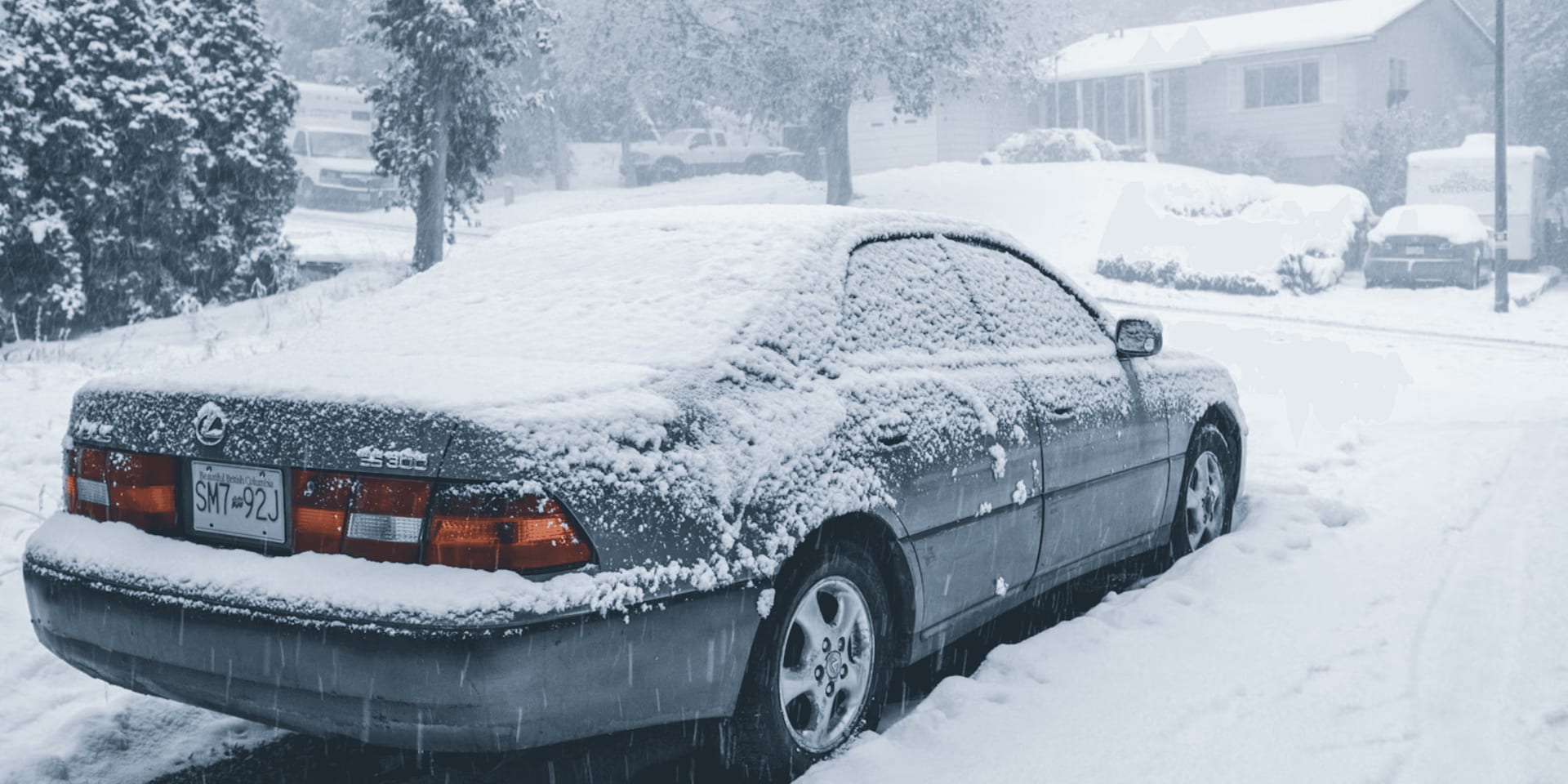
As winter weather intensifies nationwide, the National Weather Service (NWS) faces significant staffing shortages that threaten its ability to deliver timely, accurate forecasts. Offices from Maine to Wyoming report vacancy rates as high as 42%, including unfilled meteorologist and technical‑staff positions. Despite reauthorizing hiring for positions cut earlier this year, delays, slow onboarding, and lingering effects of the 2025 federal shutdown hamper recovery. Experts warn that a lack of staff could undermine public safety during major storms, with reduced capacity for coordinating emergency services at a time when climate‑driven weather events are increasing in severity.
U.S. Military Strike in Caribbean Again Sparks Legal and Ethical Backlash
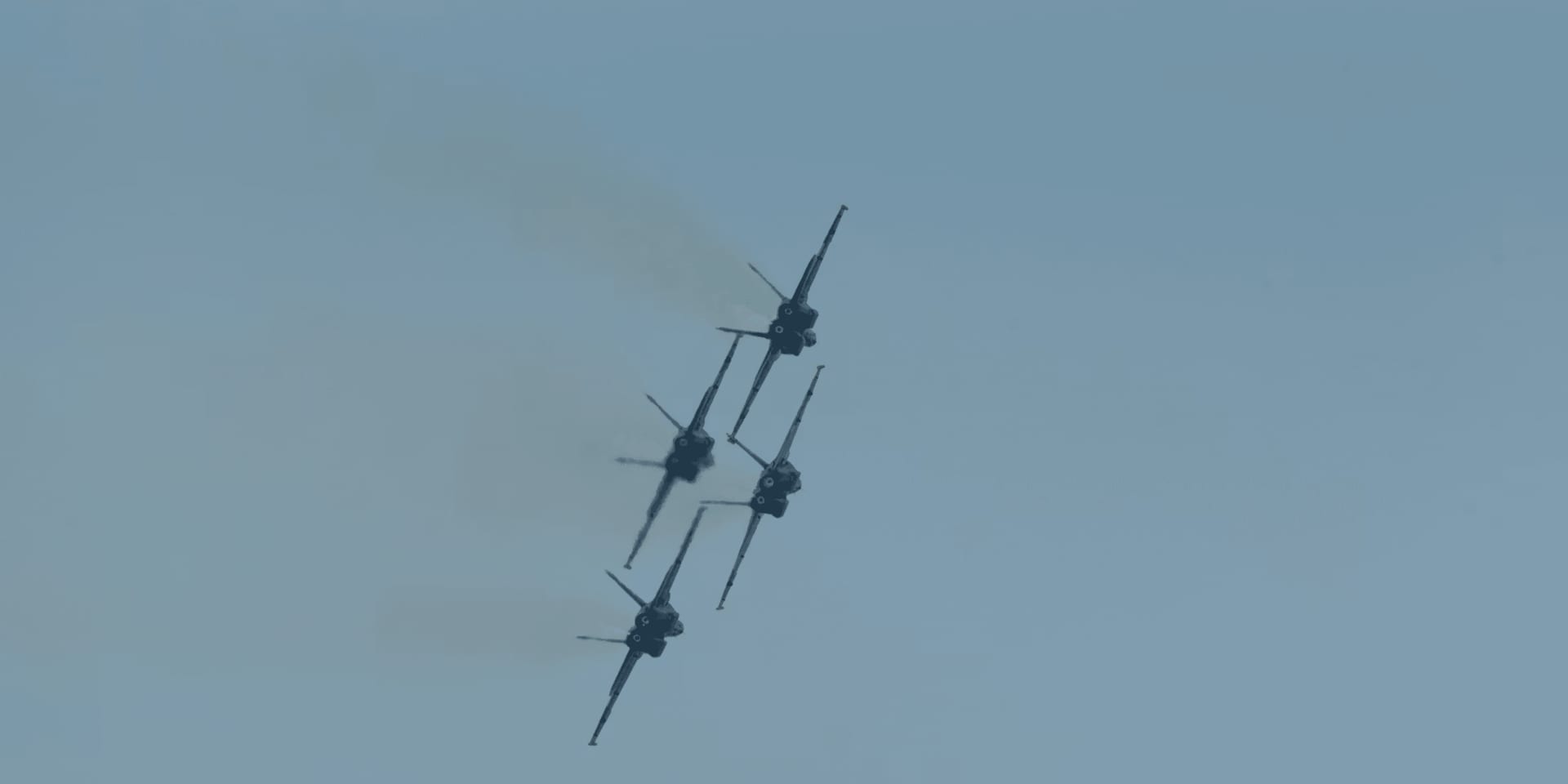
A controversial U.S. airstrike on a suspected drug‑smuggling vessel in the Caribbean triggers renewed scrutiny after reports emerge that two unarmed survivors — who had clung to the wreckage for more than an hour — were killed in a second strike. Video of the incident, shown to senators in Washington, raises questions about the legality and morality of the operation. While the administration contends the target posed a legitimate threat, critics and human‑rights observers warn the strike may violate international law and set a dangerous precedent for the use of lethal force without clear evidence.
Looking Ahead
In the days ahead, all eyes will be on Congressional reaction to the National Security Strategy and whether lawmakers move to challenge or endorse the new approach. The changes to NPS access will likely fuel further debate over how America remembers — or revises — the legacies of civil‑rights past and presidential prominence. As winter weather advances, pressure mounts for the NWS to restore staffing and operational readiness. Meanwhile, the legal and ethical fallout from the Caribbean strike may prompt new calls for oversight of U.S. military engagements abroad. In this charged moment, Americans are watching closely — and the consequences may reverberate well into 2026.