Tensions Abroad, Decisions at Home: A Pivotal Sunday in American Affairs
The United States closes the week navigating a volatile mix of international uncertainty, domestic political strain, and economic pressure. Developments in U.S.–Iran relations are dominating headlines, while legal and political controversies continue to unfold at home. At the same time, economic signals and cultural events reflect a country balancing instability with routine public life.
U.S.–Iran Talks Collapse as Trump Signals Escalation
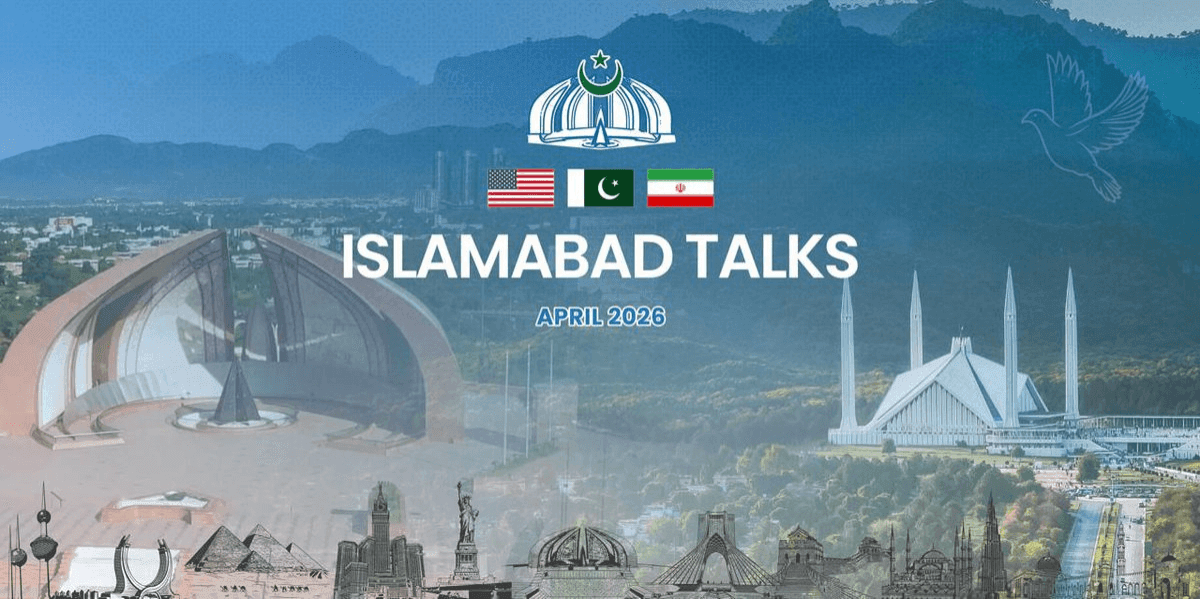
High-stakes diplomatic talks between the United States and Iran concluded without agreement after more than 20 hours of negotiations in Islamabad, Pakistan. The discussions, aimed at extending a fragile ceasefire and reopening the Strait of Hormuz, ended in stalemate, raising fears of renewed escalation.
In the aftermath, President Donald Trump signaled a more aggressive posture, including threats of a naval blockade in the strategically critical waterway. The failed negotiations follow a recently established two-week ceasefire, which had temporarily paused hostilities but left underlying disputes unresolved.
The implications are significant for global oil markets and U.S. national security. A disruption in the Strait of Hormuz—through which a large portion of the world’s oil supply passes—could drive energy prices higher and intensify geopolitical tensions, placing pressure on both the administration and Congress to respond.

Political Fallout Intensifies Over War Powers and Presidential Rhetoric
Domestic political divisions are deepening in response to the administration’s handling of the Iran conflict. Lawmakers from both parties are raising concerns about executive authority, with some Democrats renewing calls to limit presidential war powers and even floating constitutional challenges.
Recent statements from President Trump warning of catastrophic consequences if Iran does not comply with U.S. demands have further inflamed tensions in Washington. Critics argue the rhetoric risks escalating the situation, while allies contend it reflects necessary leverage in high-stakes negotiations.
The debate underscores a broader constitutional and political struggle over the balance of power in foreign policy, particularly during moments of crisis. Congressional hearings and potential legislative action are expected in the coming days.
Economic Uncertainty Grows Amid Global Instability
Markets are closely watching the fallout from geopolitical tensions, with analysts warning of ripple effects across key sectors. Energy prices, supply chains, and investor confidence are all sensitive to developments in the Middle East, particularly given the strategic importance of oil transit routes.
At the same time, broader economic trends—including corporate strategy shifts and policy adjustments—are shaping a complex outlook for businesses and consumers. April 12 is being marked as a pivotal moment for global markets, with investors reassessing risk amid uncertain conditions.
Inflation concerns remain tied to energy costs, and any prolonged disruption could complicate the Federal Reserve’s policy path. Economists are increasingly cautious about near-term volatility, even as underlying indicators remain mixed.
Legal Scrutiny Expands in High-Profile Political Investigation
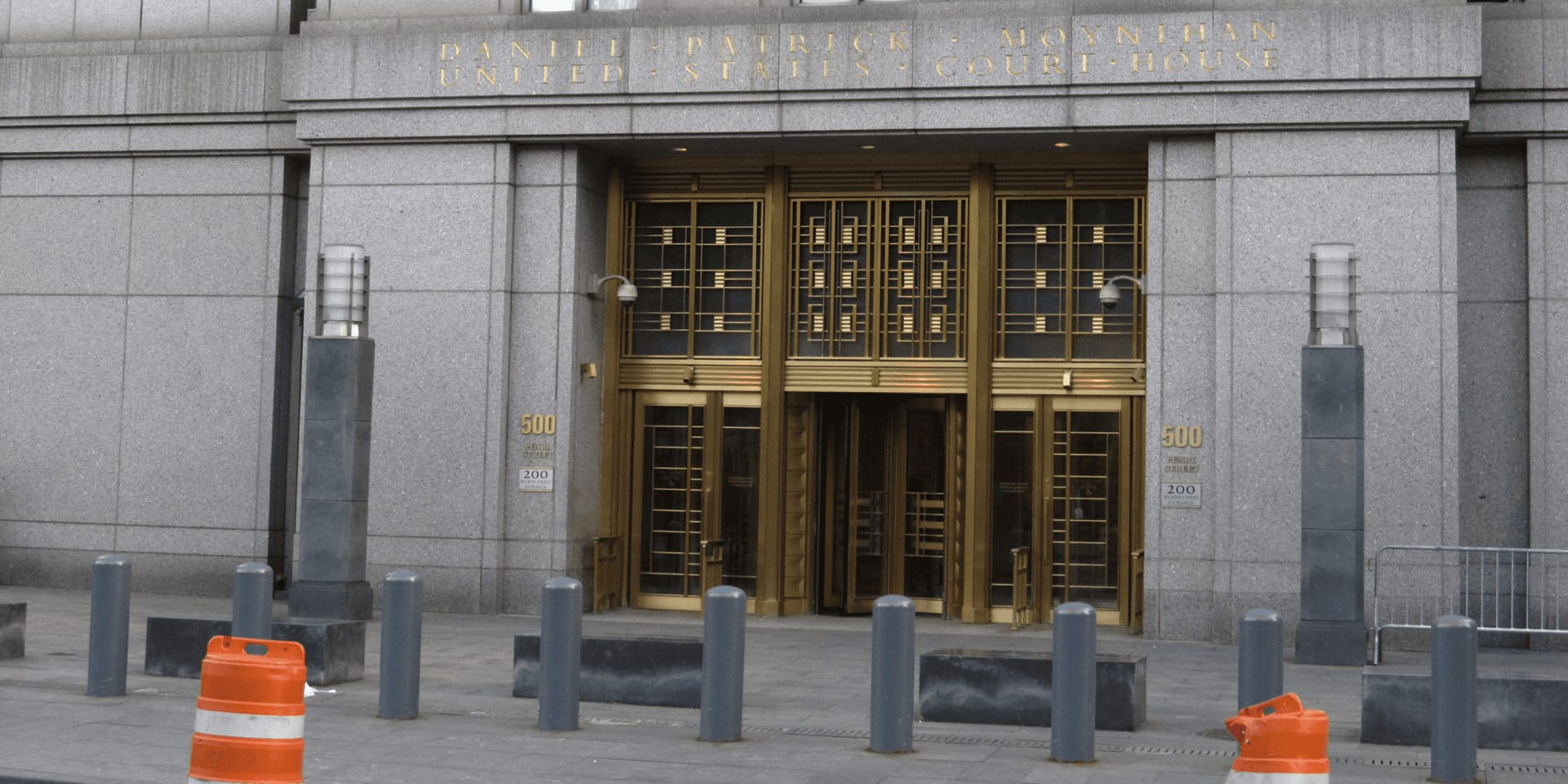
A separate domestic controversy is gaining traction as prosecutors move forward with an investigation involving allegations against a prominent political figure. The case, now under review by the Manhattan District Attorney’s office, has drawn national attention and could carry significant political ramifications.
While details remain limited, the investigation adds to a growing list of legal challenges facing high-profile elected officials and candidates. It also highlights the increasingly prominent role of state-level prosecutors in shaping the national political landscape.
The outcome could influence upcoming elections and public trust in government institutions, particularly as legal battles intersect with campaign narratives.

Masters Tournament Captivates National Audience
Amid the weight of political and economic developments, millions of Americans are turning their attention to the final round of the 2026 Masters Tournament. Rory McIlroy and Cameron Young enter the day tied for the lead, setting up a dramatic finish at Augusta National.
The tournament provides a moment of cultural unity and distraction, drawing viewers across the country. McIlroy, the defending champion, is seeking to secure another major title, while Young looks to build on a strong season with a signature victory.
Major sporting events like the Masters continue to play a significant role in American life, offering both economic impact and a shared national experience during otherwise turbulent times.
Looking Ahead
The coming days will be critical in determining whether diplomatic efforts with Iran can be revived or if the conflict will escalate further. Lawmakers in Washington are expected to intensify debates over war powers and oversight, while اthe markets remain sensitive to geopolitical developments.
Domestically, legal proceedings and political controversies will continue to shape the national conversation, with potential implications for the 2026 election cycle. Meanwhile, economic indicators—particularly energy prices—will be closely monitored for signs of broader impact.
As the week begins, the United States faces a complex and uncertain landscape, where decisions made now could carry far-reaching consequences at home and abroad.