
The Difference Between Speculation and Strategy in Today’s Fast-Moving Financial Markets
Explore how disciplined investment strategies, risk management, and informed decisions help investors navigate speculation and volatile financial markets.
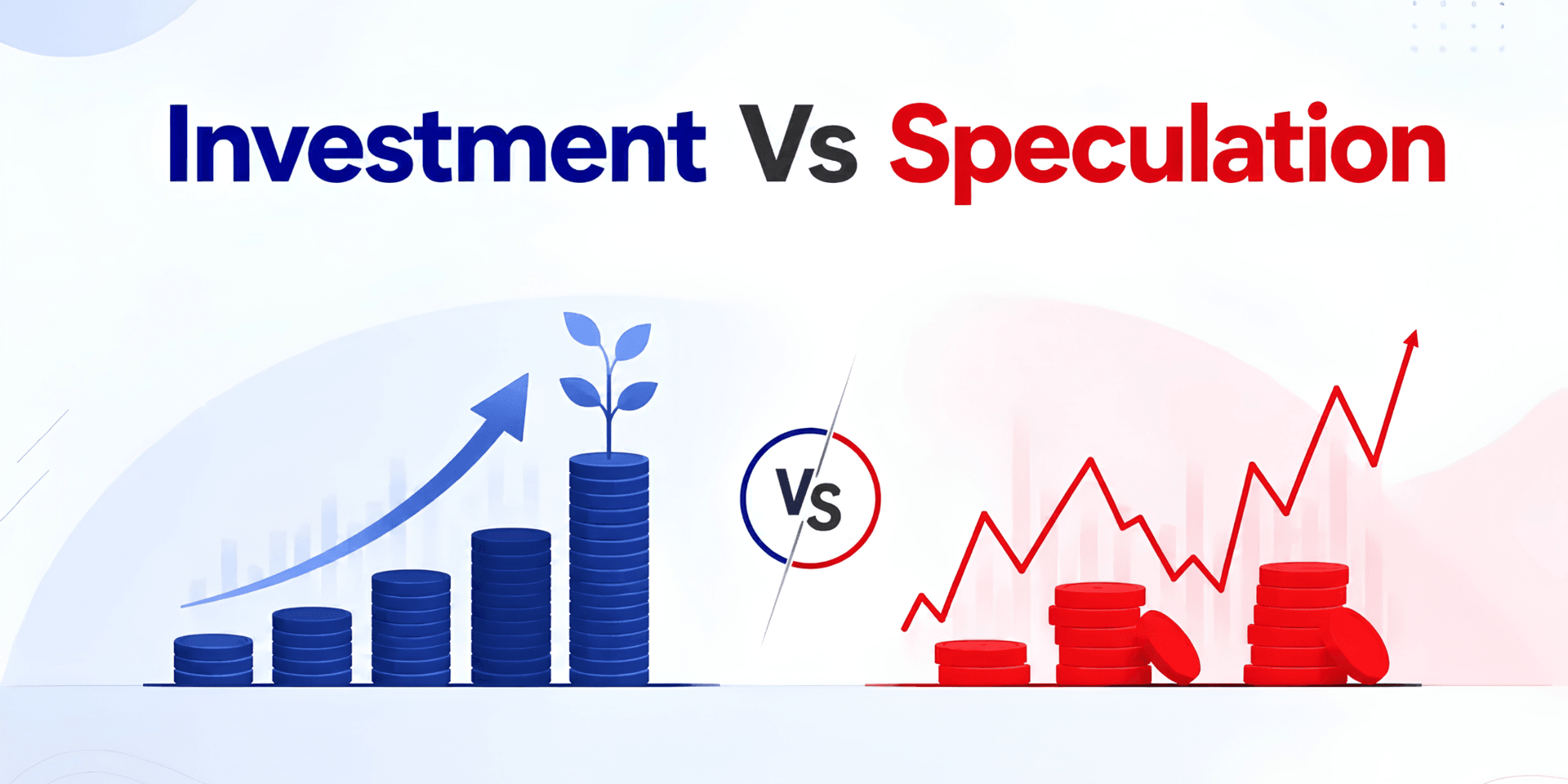
Financial markets can change direction in a matter of hours. A central bank announcement, geopolitical development, supply-chain disruption, or unexpected corporate result can influence prices across stocks, commodities, currencies, and digital assets. With financial news and trading platforms providing almost constant updates, investors have more opportunities to respond than ever before. However, reacting quickly is not the same as making a sound financial decision.
The distinction between speculation and strategy has become particularly important in this environment. Both involve uncertainty and the possibility of financial gain, but they differ in how decisions are researched, risks are evaluated, and outcomes are managed. Speculation often centers on anticipating price movements, while a strategy follows a defined process built around evidence, objectives, and risk tolerance.
Understanding that difference can help investors recognize when they are making a calculated decision and when they may simply be following market excitement.
Speculation Begins With a Prediction, Strategy Begins With a Reason
Speculation is not necessarily irresponsible. Experienced traders may deliberately take speculative positions when they identify a potential pricing opportunity or expect a particular market development. The risk increases when an investor acts on a prediction without understanding the factors that could support or undermine it.
Consider a commodity whose price suddenly rises. A speculative response might be to buy immediately because the market appears to be gaining momentum. A strategic approach would examine the reasons behind the movement: Are inventories declining? Has production been disrupted? Is demand increasing? Are shipping costs or currency movements influencing the price?
Rio Kavanagh, Director of Rio Kavanagh Holdings LTD, is an asset strategist and independent trader who focuses on market analysis, arbitrage opportunities, and pricing inefficiencies across traditional and digital markets. His perspective highlights the importance of understanding the reasoning behind a position rather than simply following a price trend.
“I believe the difference between speculation and strategy comes down to the quality of the decision-making process. Seeing an asset rise in value does not automatically mean there is a worthwhile opportunity. You need to understand what is driving the movement, whether the underlying conditions support it, and what could change the outlook. In my experience, a disciplined investor asks what would make an investment thesis wrong before deciding what could make it profitable. That mindset helps separate informed positioning from simply hoping the market moves in a favorable direction.”
This distinction is especially relevant in commodity markets, where supply, demand, weather, production capacity, and geopolitical developments can influence prices simultaneously. A price movement may create an opportunity, but it does not explain the opportunity by itself.
Why Fast-Moving Markets Encourage Emotional Decisions
Access to real-time information has changed investor behavior. People can monitor market movements, watch financial commentary, and execute trades almost instantly. Yet constant exposure to information can also encourage impulsive decisions.
Two common behavioral pressures are fear of missing out and panic selling. When an asset rises rapidly, investors may feel compelled to buy before prices climb further. When prices fall, the same investors may sell because they fear additional losses. In both situations, the decision may be driven more by emotion than by an assessment of the investment's underlying value.
The U.S. Securities and Exchange Commission has warned investors about making rapid portfolio decisions during volatile conditions without first considering their financial goals, overall circumstances, and tolerance for risk.
A strategic investor creates a pause between receiving information and acting on it. Rather than responding to every headline, they consider whether new information materially changes the original investment rationale.
Risk Management Is What Makes a Decision More Deliberate
No investment approach can eliminate uncertainty. Even extensive research cannot account for every unexpected development. A strategy therefore needs to consider not only the potential return but also the consequences if an investment performs poorly.
Risk management can involve setting exposure limits, diversifying holdings, understanding liquidity, and avoiding excessive borrowing. Investors should also consider how a potential loss would affect their wider financial position.
The SEC's Investor.gov guidance identifies asset allocation and diversification as important ways to manage investment risk. It explains that the appropriate allocation depends partly on an investor's timeframe and willingness to accept losses. Spreading investments across different assets can also reduce dependence on the performance of a single holding.
Timothy Allen, Sr. Corporate Investigator at Oberheiden P.C., works in a professional environment where examining information, evaluating claims, and identifying potential risks are important. His perspective reminds us that due diligence should be part of financial decision-making.
“From an investigative standpoint, I think people sometimes focus too heavily on the potential benefit of an opportunity without examining the details behind it. Before committing money, it is important to verify the information, understand the terms of the transaction, and question claims that appear unusually attractive. An investment or business opportunity should not be judged solely by the return being advertised. Taking time to examine the evidence and document the reasoning behind a decision can help people identify risks they might otherwise overlook.”
This principle applies to traditional investments, private transactions, digital assets, and alternative markets. Investors should understand what they are purchasing, who is offering it, how the transaction works, and whether the available information can be independently verified.
Making More Informed Decisions in Uncertain Markets
Speculation will remain part of financial markets. It can reflect differing expectations about future prices and may contribute to market activity. However, it becomes particularly risky when investors confuse a popular trend or an attractive forecast with a well-considered financial decision.
Strategy does not mean predicting every market movement correctly. It means establishing objectives, examining evidence, understanding potential losses, and applying consistent decision-making criteria.
In fast-moving financial markets, the most useful advantage may not be the ability to react first. It may be the discipline to recognize which developments matter, question assumptions, and avoid committing capital simply because everyone else appears to be doing so. Ultimately, informed decisions depend less on the speed of a reaction and more on the quality of the reasoning behind it.