The Income Trap: Why Earning More Doesn't Necessarily Mean You're Building Wealth
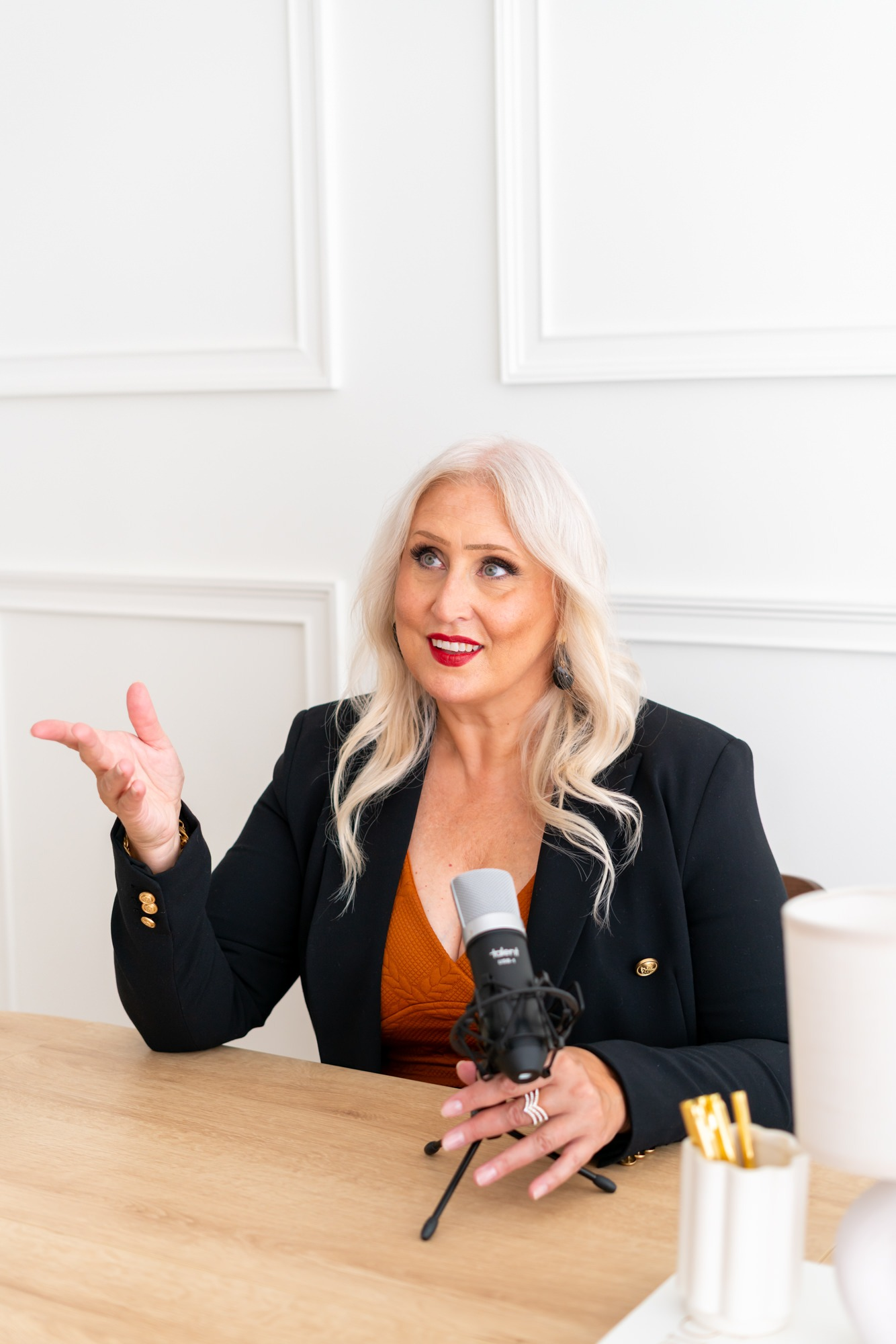
Wendy DiAngelis reframes wealth as ownership, not merely income earned over time.

The number did not appear dramatic at first. It was only math, the kind anyone can do with a calendar, a work history, and enough honesty to sit with the result. For Wendy DiAngelis, Founder & Business, Wealth & Performance Strategist, the total came to more than 66,000 hours. That was her own working-life calculation, built from decades of full-time work that began when she was 18. The figure did not make her resentful. It made her precise. It helped her see The Income Trap, the belief that earning more automatically means building wealth.
The Income Trap Wendy DiAngelis Saw Clearly
DiAngelis does not frame The Income Trap as a criticism of employment, achievement, or ambition. Her point is sharper and more useful. A person can build a strong career, increase income, become more valuable in the market, and still have limited ownership over the very engine producing that income. The paycheck may be larger. The title may be stronger. Yet the question remains: what, exactly, is being built that endures beyond the next stretch of work?
“Income is what you earn. Wealth is what you build, own and retain,” DiAngelis says. That distinction sits at the center of her work. Income is active. It usually arrives because the person shows up, performs, solves problems, leads people, serves clients, or applies expertise. Wealth, by contrast, includes assets, ownership, intellectual property, equity, systems, reputation, products, and resources that can remain connected to a person long after a single workday ends. Both matter. They are simply not the same thing.
This idea became personal because she has spent more than 30 years across several demanding fields, including real estate, team building, business growth, fitness, and behavior coaching. She has built and led a team that generated more than $600,000 in team volume. She has also built her own brand since 2018, which gave her a front-row view of a transition many seasoned professionals struggle to name. Experience had value, but value alone was not enough. The deeper question was whether that experience could become something owned.
The Income Trap And The Ownership Question
Many experienced professionals know how to earn. They know how to work under pressure, manage relationships, meet expectations, refine judgment, and produce results. Over time, those skills often translate into better compensation. However, The Income Trap appears when the earning model never changes. More income may create welcome comfort and stability, but if it depends almost entirely on exchanging time, effort, and expertise for payment, it may not create the control people assume it does.
“A bigger paycheck can increase your income without necessarily increasing your ownership,” DiAngelis says. The line is simple because the problem is common. A professional with 15, 20, or 25 years of experience may be far more capable than ever, yet still rely on a structure someone else owns. That is not failure. It is a signal. It means the next level of strategy may not be only about earning more. It may be about converting accumulated experience into assets.
Those assets can take many forms. For one person, it may be a business. For another, a personal brand, a proprietary framework, a product, intellectual property, equity, or other resources that exist beyond a traditional paycheck. DiAngelis is careful not to present entrepreneurship as the only path or to suggest that successful professionals should walk away from careers they have worked hard to build. Instead, she encourages a second question beside, “How much do I earn?” That question is, “What am I building that I own?”
Her own answer took shape through The Personal Ecosystem™, a three-part system that connects Business, Wealth, and Performance. In her framework, business creates opportunity. Wealth creates ownership. Performance sustains the person building both. The order matters, but so does the connection. A business without performance can drain the person running it. Income without ownership can leave a skilled professional dependent on constant output. Ambition without a system can produce fatigue rather than freedom.
The Personal Ecosystem™ Beyond The Income Trap

DiAngelis created The Personal Ecosystem™ because she saw how often professionals separate conversations that should be connected. They discuss business growth in one room, wealth in another, and health or performance somewhere else entirely. Her view is that these are not separate lives. They are one system. If one part leaks energy, time, focus, or opportunity, the whole person feels it.
That systems view comes from lived experience. DiAngelis has worked full time since early adulthood, built teams, sharpened expertise, and faced the difference between earning income and creating ownership in her own life. “After decades of working, the question is not only what I earned. It is what I built that is mine,” she says. That realization led her to create the 66,000 Hours Calculator, a tool that lets others calculate their own working-hour number and reflect on what those hours have produced for them.
The calculator is not designed to shame people about work. It is designed to create a pause. When someone sees the scale of time already invested, the conversation changes. The issue is no longer abstract. It becomes personal and practical. If thousands of hours have created skill, credibility, judgment, and relationships, then those are not just résumé points. They are raw material. They may be assets waiting for a structure.
That is where DiAngelis’ signature methodology, The Million Dollar Blueprint™, fits into her broader work. It gives clients a defined framework for identifying how their experience, reputation, skills, knowledge, and relationships can support more income, ownership, and options. The promise is not a shortcut or guarantee. It is a disciplined way of looking at what already exists and asking how it can be organized into something more durable.
“Your experience is an asset. The question is whether you are only being paid to use it or whether you are also building something from it that you own,” DiAngelis says. For many professionals, that sentence reframes years of work. Their experience is not merely history. It is inventory. It contains insight, patterns, stories, methods, judgment, and credibility. Left unexamined, those assets may remain trapped inside a role. Structured intentionally, they can become part of a larger ecosystem.
The power of DiAngelis’ message is that it respects the working person. It does not dismiss salaries, careers, employers, or traditional advancement. Instead, it adds a layer of agency. It invites experienced professionals to think like owners while continuing to act responsibly in the lives they have built. That may begin with a simple audit of time, skill, and opportunity. It may continue with a clearer plan for turning knowledge into intellectual property, reputation into reach, or professional credibility into new options.
For readers who have spent years becoming excellent at what they do, the next question may not be whether they work hard enough. It may be whether their hard work is building something they can keep. Wendy DiAngelis offers a grounded place to begin: calculate the hours, study the ecosystem, and look honestly at the gap between income and ownership. The result may not require a dramatic leap. It may require a better question, asked at the right time.
Discover more about Wendy DiAngelis through her official website, calculate your own numbers with the 66,000 Hours Calculator, and connect with her on LinkedIn, YouTube, Instagram, and TikTok for her latest insights, conversations, and updates.