The MacDonalds Are Bringing a Polyvagal Lens to Chiropractic Care
How Dr. Don and Brandi MacDonald teach chiropractors to read the nervous system and adjust with greater precision.

After nearly three decades in practice, Dr. Don MacDonald still begins each day with a question. How can a chiropractor become more precise with their hands and more confident with their words? That question has guided his career since 1997, and it eventually led him to develop something new: a way of adjusting that considers how a person responds to cues of safety and stress.
The Origin of a Polyvagal-Informed Approach
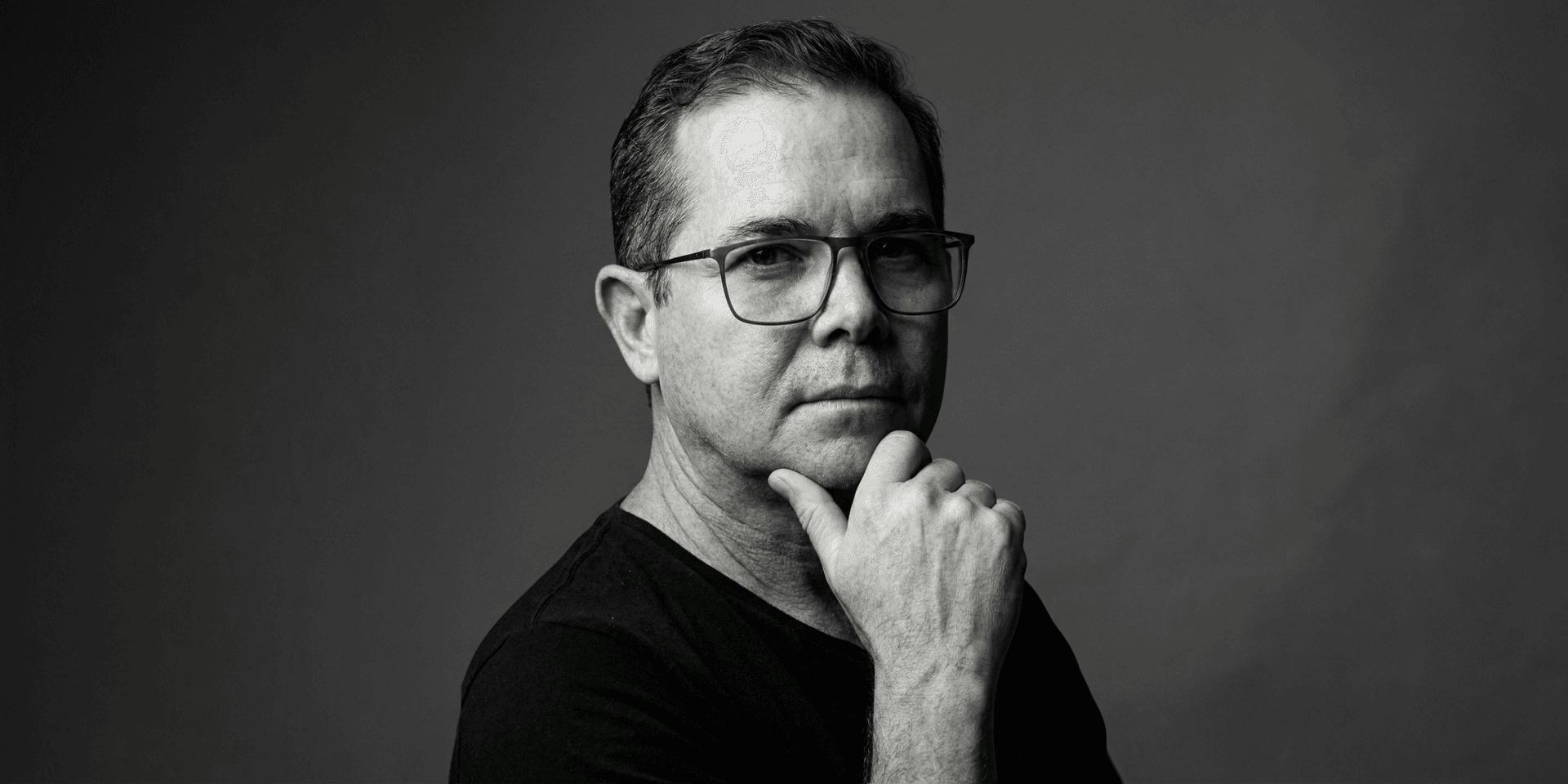
Dr. Don MacDonald is a graduate of Palmer College of Chiropractic and a longtime practitioner at South Side Chiropractic in Edmonton. He is also a former president of the Edmonton Chiropractic Society and the author of "The Underdog Curse," a people-pleaser's guide to growth and stress reduction. Yet his most distinctive contribution to the profession grew out of a partnership at home.
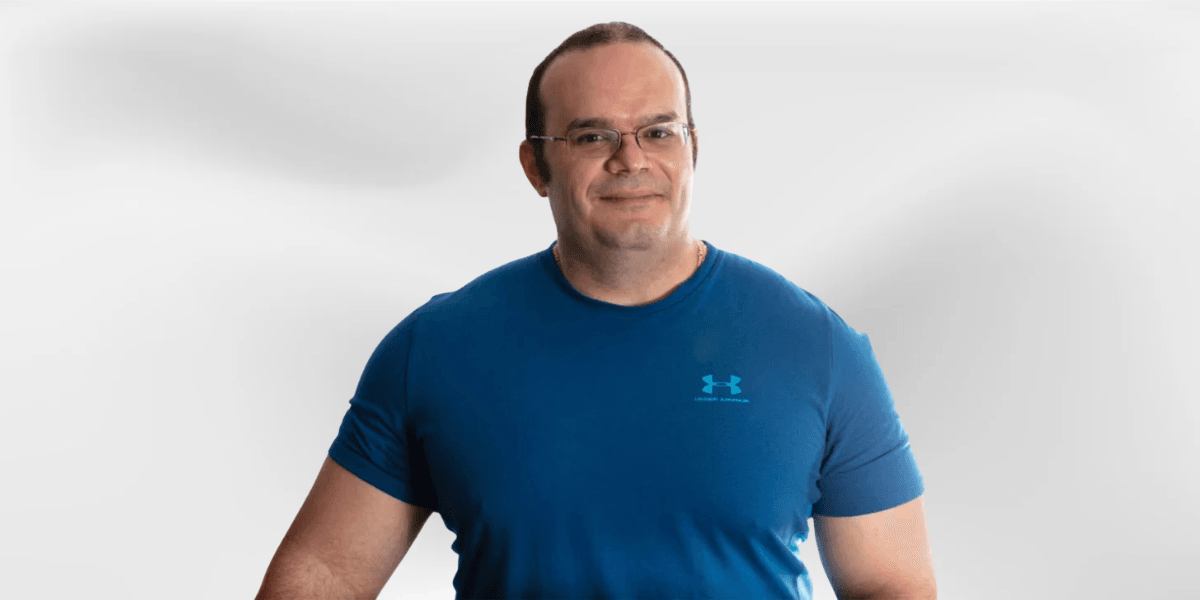
His wife, Brandi MacDonald, brings a background in social work and expertise in interoception and communication. Where Dr. Don focuses on the hands-on clinical side, Brandi focuses on how people experience safety, stress, and connection. Together, they began to explore a simple but powerful idea: the nervous system is always communicating, and chiropractors who learn to recognize its signals can respond with greater care.
That collaboration became the foundation of The Informed Chiropractor Collective, a mentorship community they lead together. It also shaped the MacDonald Safety Corridor Protocol, Dr. Don's approach to assessing and adjusting through a polyvagal lens.
Reading Safety and Stress in the Adjusting Room
Polyvagal-informed chiropractic starts with attention. Before technique, before conversation, there is observation. The MacDonald Safety Corridor Protocol invites chiropractors to consider how a patient's body may be responding to cues of safety and stress, then to let that awareness inform both assessment and the adjustment itself.
The protocol highlights interconnected areas associated with the vagus nerve and the body, including the upper cervical spine, ribs, diaphragm, pelvis, pelvic floor, and cranial structures. Rather than treating these regions in isolation, Dr. Don teaches chiropractors to see them as part of a larger corridor, a set of related areas that can reveal how a person is holding tension and how they may be experiencing care.
It is important to note what this approach does not claim. Dr. Don and Brandi are careful to say that polyvagal theory does not explain every patient response, and their protocols are not presented as validated treatments for specific conditions. Their message is different and, in many ways, more practical. They want chiropractors to expand their clinical awareness so they can respond with more precision, care, and confidence.
"After nearly 30 years in practice, I'm still asking how we can become more precise adjusters and better communicators," Dr. Don says. That humility, paired with deep experience, is what draws seasoned chiropractors to his work.
The Pelvic Floor Protocol
One of the most distinctive parts of Dr. Don's hands-on teaching is his pelvic floor protocol. For many chiropractors, the pelvic floor remains an overlooked area in conversations about movement, tension, and body awareness. Dr. Don sees it differently. His pelvic floor work grew from the same curiosity that produced the broader Safety Corridor, a desire to look more closely at regions that often go unexamined.
Within the MacDonald Safety Corridor Protocol, the pelvic floor is not a separate specialty. It is one interconnected area among several, linked to the diaphragm, the ribs, and the wider nervous system. Understanding how these regions relate gives chiropractors a fuller picture of the person in front of them.
Dr. Don introduces this work in hands-on seminars, including a pelvic floor workshop that has drawn chiropractors from around the world. The teaching is practical and experiential, because this is skill that must be felt, not just described. The seminars introduce the approach, while the refined technique is developed in the room, together.
Mentorship That Reconnects Chiropractors With Their Craft
The Informed Chiropractor Collective was created for a specific kind of practitioner: the experienced chiropractor who has already invested heavily in their skills yet senses another level of connection is available. Many arrive successful but restless, aware that they have hit a ceiling and hoping to rediscover the joy that first drew them to the profession.
Through ongoing mentorship and hands-on seminars in Canada and internationally, Dr. Don and Brandi help these chiropractors sharpen their technique, communicate with greater confidence, and build stronger relationships with the people in their care. What makes the experience unusual is that Brandi and Dr. Don teach together, in the same room, at the same time.
"We don't teach those skills as separate subjects," they explain. In a seminar, Brandi might illustrate how a patient's response reveals something about how they are feeling, while Dr. Don shows how that same response can guide what a chiropractor does with their hands and says next. The clinical and the relational are woven together, because in practice they are never truly separate.
This partnership is the heart of their differentiator. Dr. Don brings nearly 30 years of adjusting experience. Brandi brings her understanding of interoception, communication, and how people experience safety and stress. Neither perspective is complete on its own. "Brandi and I challenge and strengthen each other's thinking," Dr. Don says. "Our work is better because we build it together, and that is the experience we want chiropractors to have when they learn with us."
A Message Built on Respect for the Profession
Throughout their teaching, the MacDonalds are careful never to suggest that other chiropractors are doing something wrong. Their message is one of expansion, not correction. They want to add tools, deepen awareness, and open new possibilities for practitioners who are already skilled and dedicated.
They have carried this message widely. Dr. Don and Brandi have presented at chiropractic events including Life West's The Wave and Parker Seminars, and they have spoken to chiropractors in more than twelve countries. Their live offerings have included gatherings and masterminds in cities across the globe, from Denver to Lisbon to Toronto.
For chiropractors who want to bring a polyvagal lens into everyday practice, the invitation is clear. The MacDonalds do not promise shortcuts or guaranteed outcomes. They offer something more durable: a practical framework, a supportive community, and a renewed sense of purpose in the adjusting room.
Where to Learn This Work
Experienced chiropractors who sense there is another level of skill and connection waiting for them can find that next step at The Informed Chiropractor Collective. They can explore the free Introduction to Polyvagal Theory for Chiropractors course, listen to the podcast, and discover upcoming seminars where Dr. Don and Brandi teach side by side, bringing greater precision to their hands, greater confidence to their conversations, and greater joy back to their practice.
Explore More About The Informed Chiropractor
Discover fresh perspectives, practical insights, and meaningful conversations with The Informed Chiropractor. Explore The Informed Chiropractor website, tune in to the podcast, and watch the latest conversations on YouTube. You can also connect with Brandi MacDonald on Instagram and Facebook, and follow Dr. Don MacDonald on Facebook for more ideas, updates, and resources from The Informed Chiropractor community.