
The Orchid Mind Reframes Sensitivity and Growth
The Orchid Mind by Sandra Zecevic Gonzalez reframes sensitivity as an environmental condition, offering tools for overwhelm, burnout, and wellbeing.

When Being Too Sensitive Becomes a Question of Fit
There are moments when people begin to question whether the way they feel is the problem or whether something around them is not working. It often happens after years of pushing through stress, managing anxiety in silence, or trying to function in environments that seem manageable for others but exhausting for them.
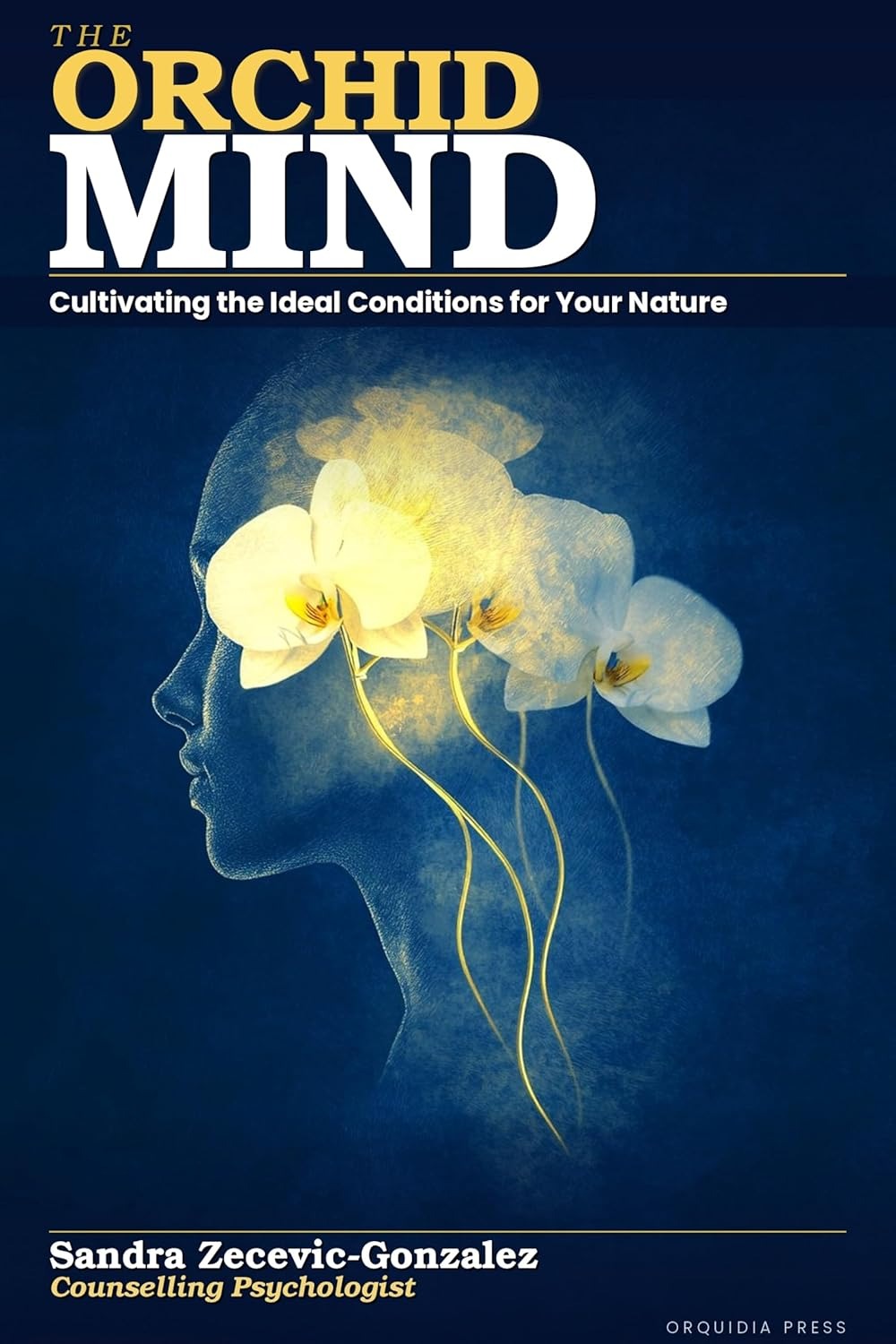
This question sits at the centre of The Orchid Mind: Cultivating the Ideal Conditions for Your Nature by Sandra Zecevic Gonzalez, Counselling Psychologist and Accredited CBT Therapist. Drawing on over twenty years of clinical experience, the book challenges a familiar assumption in mental health. It suggests that distress is not always a personal flaw. It can be a signal of mismatch between a person and their environment. Instead of asking how someone can become less sensitive, the book asks what conditions allow sensitivity to become a strength.
A Clinical Pattern Over Two Decades
Sandra Zecevic Gonzalez is a practising Counselling Psychologist and founder of Orquidia Therapy in West London, where she specialises in anxiety, burnout, and the psychology of sensitivity and creativity. Across twenty years of clinical work, she began noticing a recurring pattern in clients.
Many were intelligent, self aware, and high functioning. Yet they experienced emotional overwhelm, exhaustion, or anxiety that seemed disproportionate to their external circumstances. Over time, a clearer picture emerged. The issue was rarely isolated internal dysfunction. It was often ongoing environmental mismatch.
Clients were trying to adapt themselves to conditions that did not support how their nervous systems naturally operated. The result was chronic strain. The Orchid Mind was written to translate this clinical insight into a structured and accessible framework that could be used both outside the therapy room or as an adjunct to therapy itself.
The Orchid and Dandelion Framework
At the core of the book is a simple but powerful metaphor that distinguishes between orchid and dandelion patterns of sensitivity originally proposed by pediatrician Thomas Boyce over twenty years ago. An orchid requires specific conditions to thrive. It needs stability, appropriate light, and consistent care. In unsuitable environments, it struggles quickly. But when conditions are right, it produces remarkable complexity and beauty.
A dandelion is more adaptable. It can grow in many environments, including harsh or unpredictable ones. Yet even a dandelion has a threshold. When conditions outstrip its resources, it can wither, its nervous system compromised, its resilience quietly replaced by orchid-like sensitivity.
Sandra Zecevic Gonzalez applies this metaphor to human experience. Some people are more orchid like in their nervous system responsiveness. They are more affected by emotional tone, stress, conflict, and sensory input. This can lead to overwhelm more easily. However, when supported by the right conditions, they often show deep empathy, creativity, and insight.
The key shift in The Orchid Mind is that this is not treated as a fixed identity. It is a state shaped by both internal and external conditions. That means it can change. This reframing moves away from labelling sensitivity as a weakness and instead focuses on understanding what it responds to.
Inner and Outer Conditions: A Practical Model
The Orchid Mind introduces a structured way of understanding emotional experience through two layers. Inner conditions include thought patterns, core beliefs, emotional responses, and nervous system activation. These shape how a person interprets and reacts to experience. Outer conditions include relationships, work environments, physical surroundings, and opportunities for creativity or rest. These shape what a person is consistently exposed to.
The book guides readers in mapping these conditions to understand patterns of overwhelm, anxiety, or emotional fatigue. This approach is informed by cognitive behavioural therapy, compassion focused therapy, mindfulness, and emerging research in creative health. Instead of treating symptoms in isolation, the framework encourages readers to see how internal and external systems interact over time. This allows for a more precise question. Not just what am I feeling, but what conditions are producing and sustaining this experience.
Creativity as a Psychological Tool
One of the distinctive elements of The Orchid Mind is its emphasis on creativity as a core part of emotional wellbeing. Sandra Zecevic Gonzalez draws on emerging research in creative health to argue that creative expression is not optional or secondary. It is a regulatory process that supports emotional balance, cognitive flexibility, and resilience.
Creativity in this context is not limited to art. It includes any form of meaningful expression, problem solving, or imaginative engagement with life. It becomes part of the conditions that allow sensitive individuals to process experience and restore equilibrium. This approach expands traditional self help models by integrating creativity directly into psychological care rather than treating it as separate from mental health.
Professional Reception and Real World Impact
Early readers of The Orchid Mind include therapists, social workers, and mental health practitioners who describe the book as both accessible and clinically useful. One substance misuse worker noted that it helped clarify why overwhelm often feels sudden but is actually the result of accumulated environmental and cognitive factors. A social worker training in psychotherapy highlighted its clear explanations of core beliefs and thinking patterns.
Other reviewers describe it as reading like a therapeutic conversation. Clear, structured, and practical, while still grounded in psychological theory. A consistent theme in feedback is that the book bridges a gap between academic psychology and everyday lived experience. It is designed to be used in real life, not only understood intellectually. This makes it relevant both for individuals navigating emotional sensitivity and for professionals supporting them.
Sensitivity as a Signal, Not a Flaw
The central message of The Orchid Mind is that sensitivity is not inherently a problem. It becomes difficult when the conditions surrounding it are not aligned with what the nervous system requires. Rather than focusing on reducing sensitivity, the book focuses on understanding it. It invites readers to observe how their internal and external environments interact, and to make changes that support rather than suppress their natural responsiveness. Some conditions such as grief or loss can't be cultivated away, for example. Which makes it all the more essential to tend inward: self-compassion, nervous system care, the slow work of settling.
Building on the original orchid–dandelion research by Thomas Boyce, Sandra Zecevic Gonzalez has extended the original framework into adult clinical and everyday psychological experience, offering a practical lens for understanding emotional overwhelm and resilience.
The framework is both compassionate and practical. It does not ask people to become someone else. It asks them to understand what allows them to function at their best. In doing so, it reframes emotional struggle not as failure, but as information. And with that shift, a new possibility emerges. When conditions change, so does experience. The orchid does not need to become a dandelion. It simply needs the right environment to bloom.
The Orchid Mind: Cultivating the Ideal Conditions for Your Nature is available on Amazon UK and Amazon US. Readers can also learn more about Sandra Zecevic Gonzalez and her work through Orquidia Therapy and her professional platforms. The book is designed for anyone seeking a deeper understanding of emotional sensitivity, burnout, and psychological wellbeing, offering both insight and practical tools for lasting change.
Explore more about Sandra Zecevic Gonzalez and The Orchid Mind through the links below: