The Other Chair And The Cancer Support Gap
Malcolm and Leah Quinn are building support for the person cancer does not diagnose.
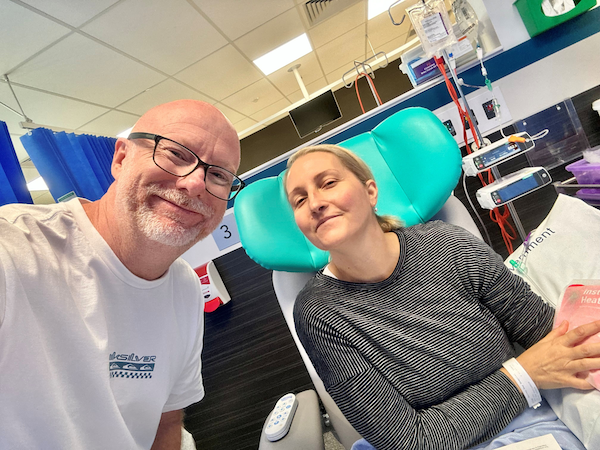
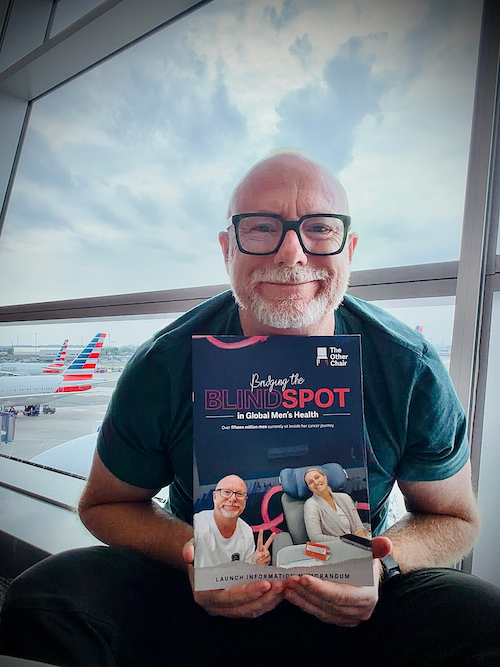
There is a particular kind of silence that settles beside a hospital bed. Malcolm Quinn came to know it while sitting next to Leah, his wife, through cancer treatment, recurrence, appointments, decisions, fear, and waiting. The focus, as it should be, was on Leah. Yet as Malcolm sat in the other chair, trying to be steady, useful, informed, and strong, he began to understand something few people say aloud: cancer may diagnose one person, but its emotional impact rarely stops with them. The Other Chair was born from that realization.
Why The Other Chair Exists
The Other Chair is an Australian-born charity created for the people who sit beside someone they love through cancer. Its first focus is especially clear: men supporting women through cancer. That includes husbands, partners, fathers, sons, brothers, and caregivers who can suddenly become advocates, emotional anchors, practical organizers, and quiet witnesses to someone else’s pain, all while trying to manage their own.
For Malcolm and Leah Quinn, this was not an abstract gap in the system. It was lived reality. During Leah’s cancer journey, they saw how much care, compassion, and expertise rightly surrounded the person diagnosed. Still, they also saw how little was designed specifically for the person beside her. The supporter may be frightened, overwhelmed, isolated, or unsure what to say. Yet he may also believe his role is to cope privately and never add weight to the person already carrying so much.
That belief can be costly. The Other Chair is built around a simple idea that carries emotional force: she can only be as well supported as the person supporting her is himself. If he is struggling in silence, eventually that strain can affect both people. The charity does not aim to redirect attention away from women with cancer. Instead, it recognizes that strengthening the person beside her can improve the support she receives at home, in appointments, and in the long hours between treatments.
Malcolm and Leah have personally invested approximately $100,000 to establish The Other Chair as a registered Australian charity and lay the foundation for a larger platform. The organization has achieved Public Benevolent Institution status and Deductible Gift Recipient endorsement, and its brand has been protected through Australian and international trademark initiatives. Those steps matter because the ambition is not small. The goal is to build in Australia what Malcolm describes as a world-first cancer support platform for the person in the other chair.
How The Other Chair Is Building A Platform
Many cancer organizations serve broad patient and family needs with compassion and skill. The Other Chair is different because of its specificity. It is not trying to replicate the extraordinary work already being done for people diagnosed with cancer. It exists to serve the person beside them, starting with men who stand beside women through diagnosis, treatment, recurrence, uncertainty, recovery, or grief.
The platform being developed is designed as an ecosystem rather than a single resource. Its five pillars are meant to meet supporters in different moments and states of mind. Conversations will feature long-form discussions with clinicians, experts, and people with lived experience. The 20 Minute Sit will offer audio support for men who may be juggling work, appointments, family responsibilities, and emotional strain. Field Guides will provide practical, moment-by-moment guidance for situations that can otherwise feel bewildering. LiveWell will bring together wellbeing practices related to regulation, sleep, movement, and daily steadiness. James, an AI-powered companion, is being designed to offer private, immediate support and guidance when someone may need somewhere to turn.
The charity is careful about the role it intends to play. The Other Chair does not provide medical advice or emergency intervention. Its purpose is to offer practical information, human connection, and accessible support that can sit alongside professional care, not replace it. That distinction reflects a seriousness about governance, integrity, and trust. It also reflects the reality of the audience. Many men may not feel ready to call a helpline, join a group, or admit they are not coping. A private platform, built with empathy and clarity, can provide a first point of connection without judgment.
That matters because men often struggle to seek help or articulate what they are experiencing. Some may not even recognize that they need support. They may focus on transport, work, bills, children, appointments, medication schedules, and prognosis, while pushing fear into the background. They may believe that asking for help is somehow a failure of strength. The Other Chair challenges that idea. It reframes support not as weakness, but as a way to become better equipped for the person they love.
As Malcolm puts it, “We believe she can only be as well supported as the person standing beside her is himself. If he is struggling in silence, eventually that affects both of them.” That sentence explains the charity’s emotional center. It is not about making the supporter the main character. It is about acknowledging that care often travels through relationships. When the supporter is steadier, better informed, and less alone, the person facing cancer may feel the benefit too.
The Other Chair Vision Beyond Queensland
The Other Chair began in regional Queensland, but its horizon has always been wider. Cancer places partners and families in similar rooms across Australia and around the world. The chairs differ, the hospitals differ, the home lives differ, but the emotional position is familiar. A person sits beside someone they love and wonders how to be strong enough for what comes next.
That universality gives the charity its potential. The website summary for the charity notes that more than 15 million men globally are affected as supporters of women with cancer. That figure points to the scale of the need, but the story remains intensely personal. Behind every number is a man in a waiting room, a husband in a car park taking a hard breath before going back inside, a son trying to ask the right question, or a partner awake at night searching for answers he may not know how to name.
The next stage depends on broader philanthropic and community support. A GoFundMe crowdfunding campaign is now live as part of a wider appeal to philanthropists, businesses, and individuals who believe this gap deserves attention. Malcolm and Leah have carried the early financial burden themselves because they believe the work is necessary. Now, they are inviting others to help bring the complete vision to life and keep it accessible for those who need it.
“We have invested heavily in this ourselves because we believe in it,” Malcolm says. “Now we are asking Australia to help us build something that could ultimately support families around the world.” It is a direct appeal, but it is also a statement of responsibility. The Other Chair is asking supporters to look at cancer care from a wider angle, one that includes the person beside the patient and recognizes his need for guidance, connection, and steadiness.
The charity’s ambition is intentionally bold. “Our ambition is unapologetically big,” Malcolm says, “to build a world-first cancer support platform for the person in the other chair, and make sure nobody sitting there feels they have to navigate it alone.”
For families touched by cancer, The Other Chair offers a new way to name an old reality. The person beside the patient may be strong, but he is still human. He may be loyal, but he may also be afraid. He may keep showing up, but he should not have to do it unsupported. To learn more or help build a platform designed for the people sitting quietly beside someone they love, explore The Other Chair and consider becoming part of the circle that puts another chair in the room.
Congratulations are nice, but real support is needed to bring this project to life. Visit gofund.me/52defbdcd
Connect with The Other Chair Charity, Instagram, and Facebook.