
TJ Woodward And The Conscious Recovery Shift
TJ Woodward reframes recovery through compassion, self-worth, and a deeper understanding of addiction.
The room held the kind of silence that arrives when people are tired of surface answers. For many in recovery, and for the professionals who support them, addiction had too often been framed as a battle against symptoms, behavior, and relapse. TJ Woodward saw something deeper. He saw people carrying pain, shame, and disconnection, often without language for what had happened inside them. Out of that insight, the TJ Woodward Conscious Recovery Method became more than a curriculum. It became a different conversation about healing, one rooted in inherent worth, awareness, and the possibility of meaningful change.
TJ Woodward Conscious Recovery Begins At The Root
TJ Woodward did not build his work around quick fixes or slogans. His path emerged from years of spiritual practice, recovery education, writing, teaching, and direct engagement with people seeking a more humane way forward. As an inspirational speaker, bestselling author, and recovery specialist, he has become known for translating complex emotional and spiritual concepts into language people can use in real life. His message is clear: addiction is not simply a problem to be managed. It is often a signal pointing toward pain, false beliefs, trauma, toxic shame, and spiritual disconnection.
That guiding idea sits at the center of the TJ Woodward Conscious Recovery Method. Rather than focusing only on abstinence, behavioral correction, or crisis response, the method invites individuals and treatment professionals to examine the root causes that often fuel addictive patterns. It asks a vital question: What if the person struggling is not broken, but blocked from the truth of their own value? That shift changes the tone of the entire recovery journey.
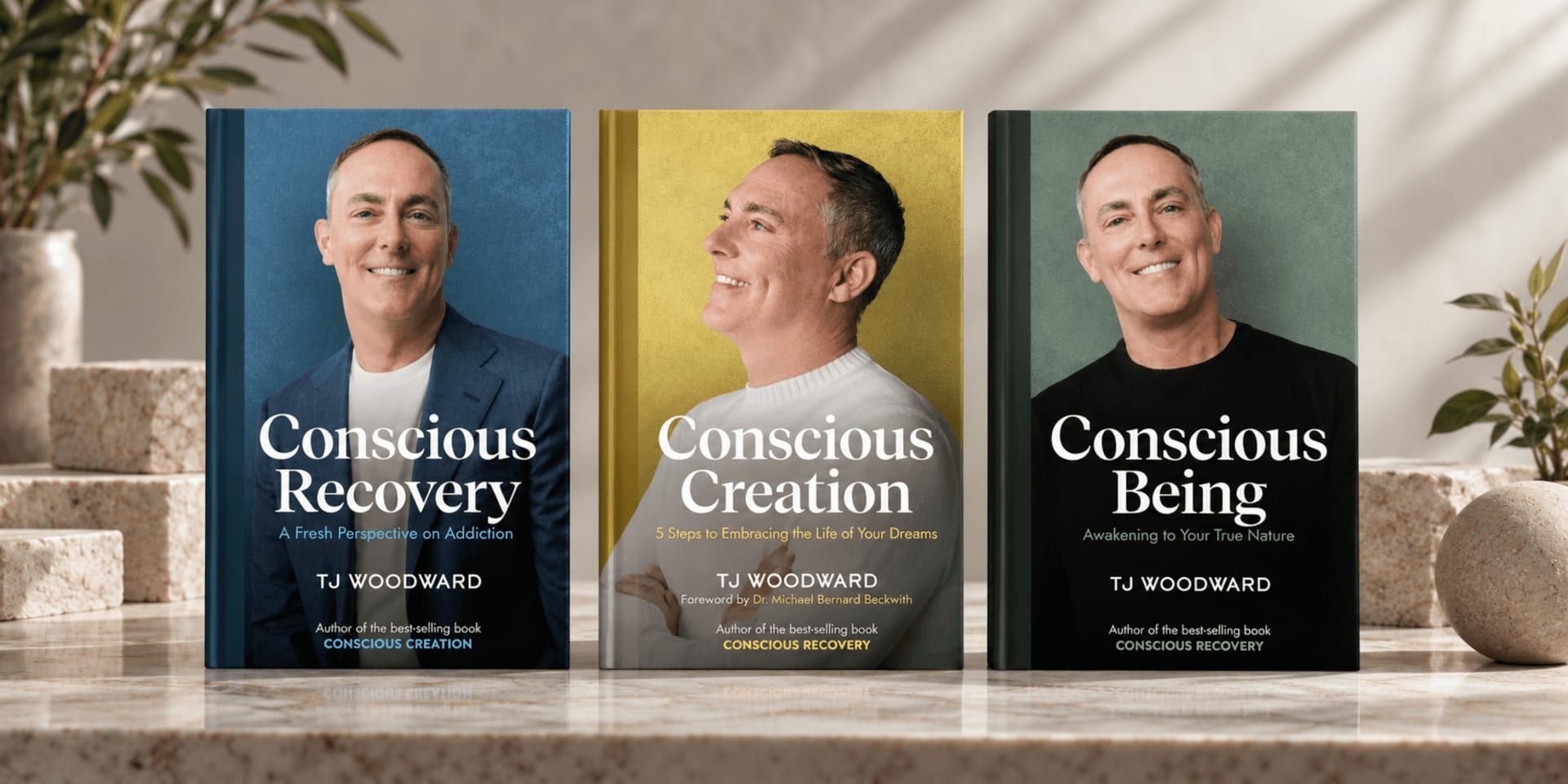
Woodward’s broader body of work reflects the same conviction. His books, including Conscious Being: Awakening to Your True Nature, Conscious Recovery: A Fresh Perspective on Addiction, and Conscious Creation: 5 Steps to Embracing the Life of Your Dreams, explore awakening, recovery, and intentional living through a practical spiritual lens. Each title offers readers a way to look beyond fear-based thinking and toward compassion, accountability, and conscious choice.
His spiritual foundation is also central to his story. Woodward was ordained as an Agape minister by Dr. Michael Beckwith and served as the founding minister of Agape Bay Area in Oakland, the first satellite community of the Agape International Spiritual Center in Los Angeles. That background gave him a framework for teaching transformation without cold clinical distance. Yet his work also speaks to treatment providers, clinicians, and organizations because it is grounded in practical application, not abstract inspiration alone.
A Method Built For People, Not Labels
For TJ Woodward, language matters. When people are defined only by addiction, diagnosis, or history, they can lose contact with the part of themselves that still longs for connection and purpose. His teachings seek to restore that contact. The TJ Woodward Conscious Recovery Method centers on the belief that people have intrinsic value, even when their choices, circumstances, or suffering have made that value hard to see.
This is where his approach stands apart. Instead of treating addiction only as a symptom to suppress, Woodward helps people and professionals look underneath the behavior. His work integrates spiritual insight, modern psychology, practical recovery principles, and compassionate awareness. Because of that blend, it can reach a wide range of audiences, from individuals in recovery to treatment teams seeking a more holistic and person-centered framework.
The response from professionals reflects that practical value. Jen Carvalho shared, “Our clinicians who were actively trained by TJ just loved it and are so enthusiastic about it that the rest of the clinical team is now clamoring for more training.” That enthusiasm points to a core strength of Woodward’s work: he makes deep ideas usable. He gives teams a shared language for what many already sense, which is that lasting recovery involves more than compliance. It involves identity, self-trust, emotional honesty, and a renewed sense of belonging.
Another testimonial captures the clarity his facilitation can bring. “I appreciate TJ’s wisdom and guidance as we navigated the hard turns. Our team has so much more clarity about our next steps! Everyone needs a TJ,” said Pema White. In a field where staff members often face burnout, complexity, and high-stakes decisions, clarity is not a luxury. It is a form of support.
Woodward’s teaching is direct, compassionate, and often disarming in its simplicity. Chris Davidson put it plainly: “Woodward has a way of boiling things down into practical approaches. Honestly, this is better than what I learned in my graduate program.” That statement reflects why his message continues to resonate. People do not need more jargon when they are in pain. They need a way to understand themselves that restores dignity while encouraging responsibility.
From Conscious Being To Conscious Creation
The TJ Woodward Conscious Recovery Method is one part of a larger philosophy. Conscious Being explores the awakening process, inviting people to recognize their true nature beyond fear, shame, and learned limitation. Conscious Creation turns attention toward life design, helping readers understand how beliefs, attention, and action influence the future they are creating. Together, these ideas form a pathway: awaken to who you are, heal what blocks connection, and choose life from a more conscious place.
That pathway also explains why Woodward has become a respected voice beyond one narrow category. He is featured on Wholehearted.org alongside Brené Brown, Marianne Williamson, Dr. Gabor Maté, and Mark Lundholm. The placement reflects his role in a larger cultural movement that is rethinking shame, trauma, recovery, spirituality, and human resilience. Still, Woodward’s contribution remains distinct. He speaks with the authority of a teacher, the care of a guide, and the clarity of someone committed to making transformation accessible.
Today, his work reaches individuals, treatment centers, clinicians, organizations, and audiences seeking a deeper conversation about recovery and awakening. His books and accompanying workbooks, along with treatment curriculum used in recovery programs nationwide, give his philosophy structure. His speaking and facilitation bring that structure to life. The message remains consistent: the path forward begins with remembering what is already whole.
That does not mean the work is easy. Recovery requires courage. Honest self-inquiry can be uncomfortable. Releasing old beliefs can feel like stepping into unfamiliar territory. Yet Woodward’s teachings offer an antidote to despair. They suggest that beneath compulsive patterns, shame, and separation, there is a self capable of truth, connection, and purpose. For many people, that recognition can become the first solid ground they have felt in years.
The practical strength of Woodward’s model lies in its ability to serve both personal transformation and professional development. Individuals gain a compassionate framework for understanding their pain. Treatment professionals gain language and tools that support more root-focused conversations. Organizations gain a method that can deepen staff alignment and strengthen care culture. In each setting, the work points toward the same benefit: recovery that honors the whole person.
For anyone seeking a more compassionate, spiritually grounded, and practical way to understand recovery, TJ Woodward offers a powerful place to begin. Explore his teachings, books, speaking, and Conscious Recovery resources to discover how a root-cause approach can shift the conversation from what is wrong with a person to what is possible when self-worth, awareness, and connection are restored.
Explore More About TJ Woodward
Connect with TJ Woodward, LinkedIn, Instagram, Facebook, and YouTube.