
Together Across America Turns Unity Into Action
Together Across America is building a visible civic network rooted in hope, service, and neighbor-to-neighbor connection.
At Phelps Park in Springfield, Missouri, organizers expected perhaps 50 people. Instead, hundreds arrived. They did not come for spectacle. They came because the simple act of showing up for neighbors still has power. That moment became a living example of what Together Across America seeks to spark nationwide: practical, visible, people-powered action that helps communities remember what connection feels like.
How Together Across America Began
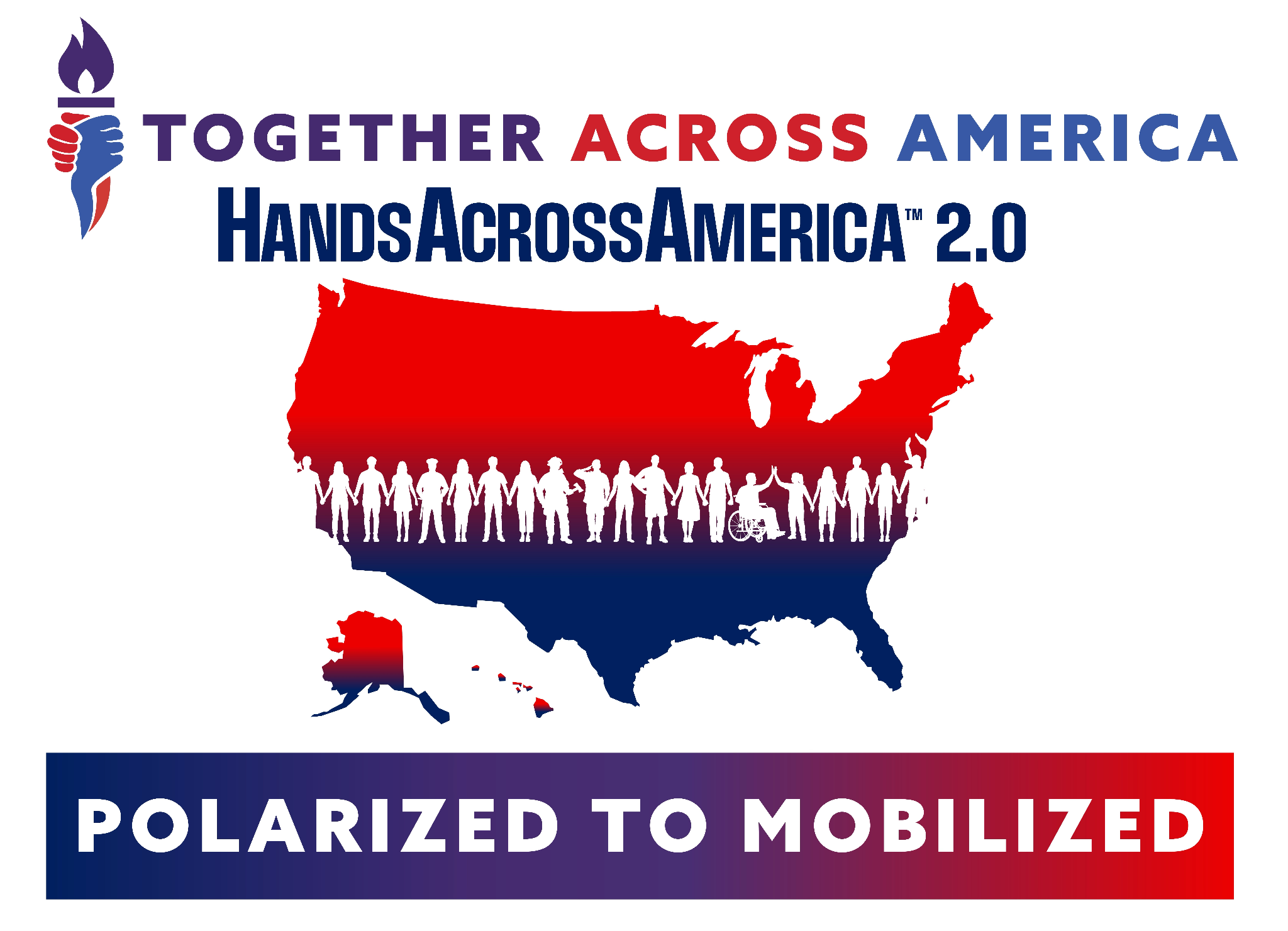
TogetherAcrossAmerica.org was launched in January 2026 with a clear memory in mind. More than 40 years earlier, Hands Across America brought nearly 5 million people together in a coast-to-coast display of unity. People literally held hands from Los Angeles to New York, creating a symbol that outlived the day itself. Robin McGehee, co-founder of Together Across America, and a growing group of organizers saw that history not as nostalgia, but as a prompt. What would a modern version look like if it moved beyond symbolism and into service?
The answer was not to recreate the past. It was to update its spirit. Instead of asking people to stand in one long line, Together Across America asked communities to decide what kind of action mattered most where they lived. In one place, that might mean mutual aid. In another, it might mean a food drive, a public conversation, a neighborhood project, or a gathering that brings people who rarely occupy the same room into a shared purpose. The movement’s premise is direct: America becomes stronger when people build trust close to home.
McGehee brings a history of organizing statewide, regional, and national efforts for equal rights. That experience shaped the movement’s emphasis on infrastructure rather than performance. Together Across America is not designed as another organization competing for attention. It is intended to serve as a hub, a nucleus, and a practical meeting point for organizers, leaders, change-makers, and everyday people who want a constructive way to participate in community life.
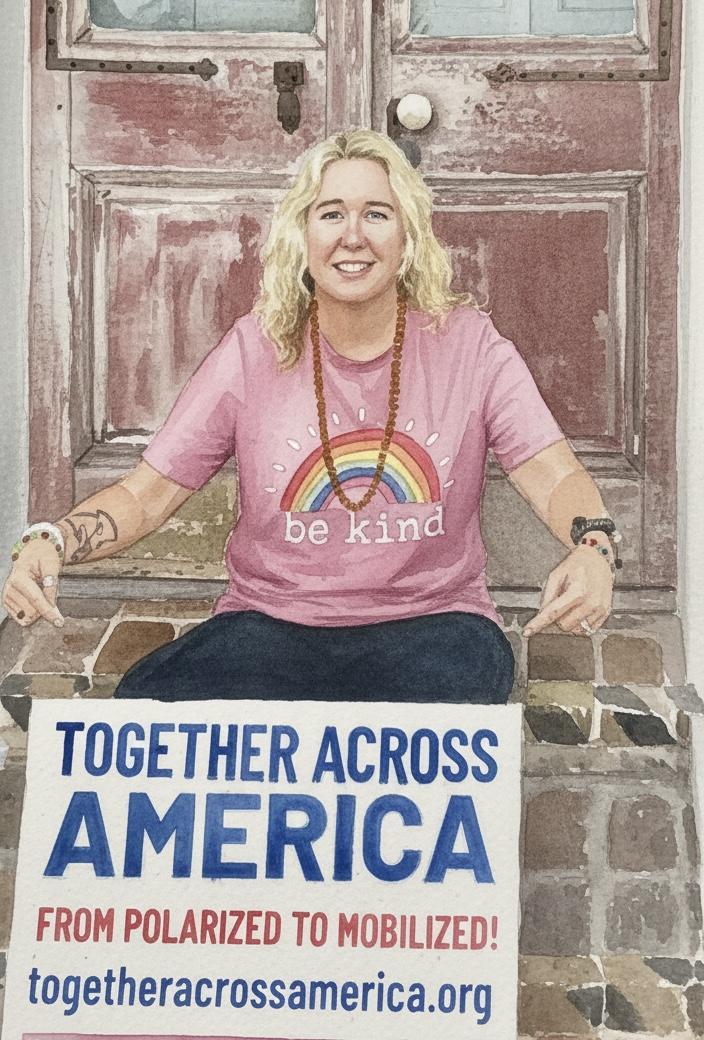
Its message is simple but demanding. Unity is not passive. It requires people to step outside isolation, resist cynicism, and build relationships across differences. The movement speaks to people who are exhausted by division yet unwilling to withdraw. It offers them a path that begins with something visible and approachable, then grows into deeper civic engagement. A yard sign, a shirt, a hat, or even a koozie becomes more than an item. It becomes a signal that connection is still possible.
Together Across America Builds From The Ground Up
Movements often begin with an emotional problem before they become a practical solution. For Together Across America, the problem is the sense that too many people feel alone, unheard, or trapped in a culture of tension. Families want safety. Neighbors want dignity. Communities want a better quality of life for themselves and for the people next door. Yet many do not know where to begin.
Together Across America begins at the local level. Its model is neighbor-to-neighbor and community-to-community. It welcomes people across geography, race, gender, sexual orientation, class, culture, immigration status, party identity, and lived experience. That breadth matters because the movement is not built around one candidate, one party, or one ballot measure. It is built around a broader question: how can ordinary people coordinate meaningful action for the common good?
That distinction is central to its identity. TogetherAcrossAmerica.org is not asking people to wait for institutions to repair civic life on their behalf. It is asking people to see themselves as participants. The movement gives people a banner under which service, visibility, and connection can align. It does not require agreement on every issue. It does require a commitment to human dignity and to the belief that the life, liberty, and pursuit of happiness should belong to everyone, not only to some.
The grassroots nature of the movement also shapes its approach to merchandise. Every hat, shirt, sign, and koozie is sold at no profit. In an era when branding is often treated as a commercial asset, Together Across America treats visibility as a community tool. The point is not to sell products. The point is to help a message travel. When someone places a sign in a yard or wears a shirt through a grocery store, the movement gains another small point of recognition. Seen together, those small signals can make isolated people feel less alone, more connected and seen.
That visibility has strategic value. People who are frustrated by division often underestimate how many others feel the same way. A movement gives that quiet majority a shared language. It turns private concern into public connection. It invites people not merely to complain, but to organize. As McGehee puts it, “When we speak, we shape the world. And this is a moment to SpeakOUT!”
Why Together Across America Feels Different Today
The breakthrough for Together Across America is that it treats hope as something active. Hope is not a slogan placed over hard realities. It is a discipline. It is the act of calling a neighbor, posting a sign, organizing a local effort, sharing information, or showing up when a community asks for help. Hope becomes credible when people can see it working in public.
That is why the Springfield event mattered. The crowd that exceeded expectations did more than fill a park. It validated a central belief: people are still hungry for constructive participation. They may be tired. They may be frustrated. They may distrust traditional channels. Yet when given a clear invitation rooted in service and community, they respond.
The movement’s strength lies in its balance of emotion and practicality. It understands that people need belonging, but it also gives them steps. First, discover the movement. Next, follow and share its updates. Then, make the message visible through a yard sign or merchandise. After that, visit the Join the Impact section and explore pathways to civic engagement. Each step lowers the barrier to participation while opening the door to deeper involvement.
Together Across America also understands that national renewal cannot be manufactured from the top down. It has to be built through repeated acts of local trust. This is why its language centers on neighbors and communities rather than abstract platforms. The goal is not to win an argument online. It is to help people meet, organize, serve, and coordinate in ways that can be felt where they live.
For McGehee and the Team TAA network, the larger vision is an undeniable, coordinated movement for everyday people who want less chaos and more care. That vision does not ask people to pretend differences do not exist. Instead, it asks them to choose relationships over dehumanization and constructive action over despair. It is an invitation to remember that a country is not only shaped by its headlines. It is also shaped by the people who decide to help one another.
For readers looking for a practical way to turn concern into connection, Together Across America offers a clear next step. Visit the website, choose a sign or no-profit merchandise that makes the message visible, and explore the Join the Impact pathways to civic engagement. The benefit is not only joining a movement. It is finding a constructive, community-rooted way to be seen, heard, and connected.
Explore More About Together Across America
Connect with Together Across America, Facebook, Instagram, TikTok, Substack and Linktree.
Disclaimer:
This article is for informational purposes only and is not intended to promote, encourage, endorse, or provide professional advice related to political activity, civic organizing, elections, or advocacy. Always consult a qualified professional or trusted authority before engaging in any activities related to civic or political participation, especially if doing so may have legal, financial, or personal consequences. The author and publisher are not responsible for any losses, damages, or outcomes resulting from the use or reliance on the information provided.