
Turmoil and Global Rift Define U.S.
National attention in the United States centers on intensifying clashes over immigration enforcement, a widening diplomatic rift with longtime European allies, and the broader political fallout of actions taken by the White House. As protests and federal responses unfold in multiple cities, international partners are signaling sharp displeasure with U.S. trade and territorial ambitions. These developments are shaping both domestic discourse and foreign relations as the nation approaches a week marked by the federal observance of Martin Luther King Jr. Day.
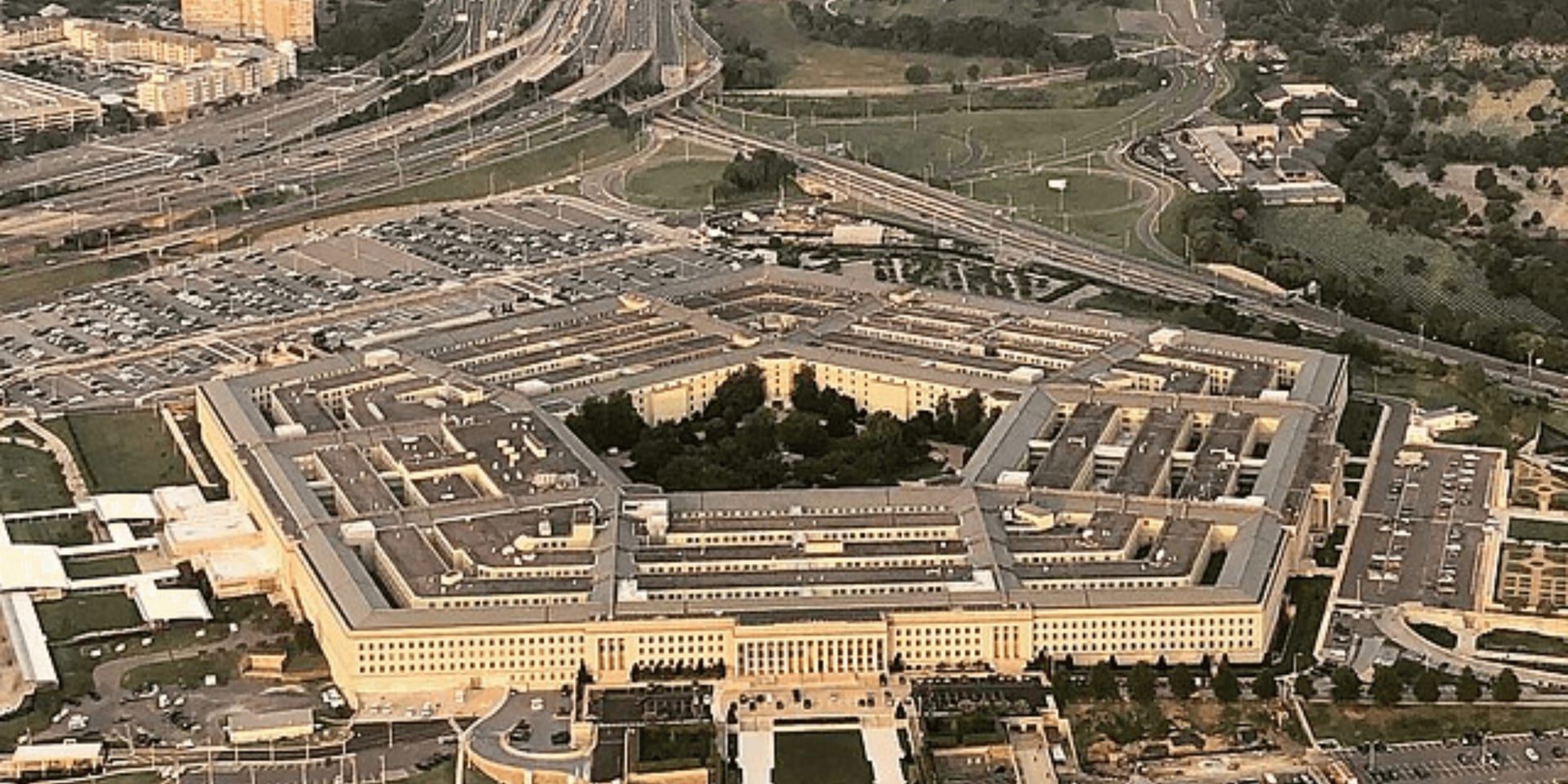
Pentagon Puts Troops on Alert Amid Immigration Protests
The Pentagon is preparing approximately 1,500 active‑duty troops stationed in Alaska for possible deployment to Minnesota as demonstrations against the federal immigration crackdown continue to escalate. The move comes after the fatal shooting of Renée Good by an Immigration and Customs Enforcement (ICE) agent in Minneapolis earlier this month, which has sparked largely sustained protests. The Trump administration asserts that positioning these troops—trained for cold‑weather operations—could protect federal personnel and property should unrest expand, although Minnesota’s governor and local officials argue that a military presence would inflame tensions rather than calm them. Minneapolis Mayor Jacob Frey and other state leaders have publicly opposed additional federal intervention, even as the ongoing protests remain mostly peaceful.
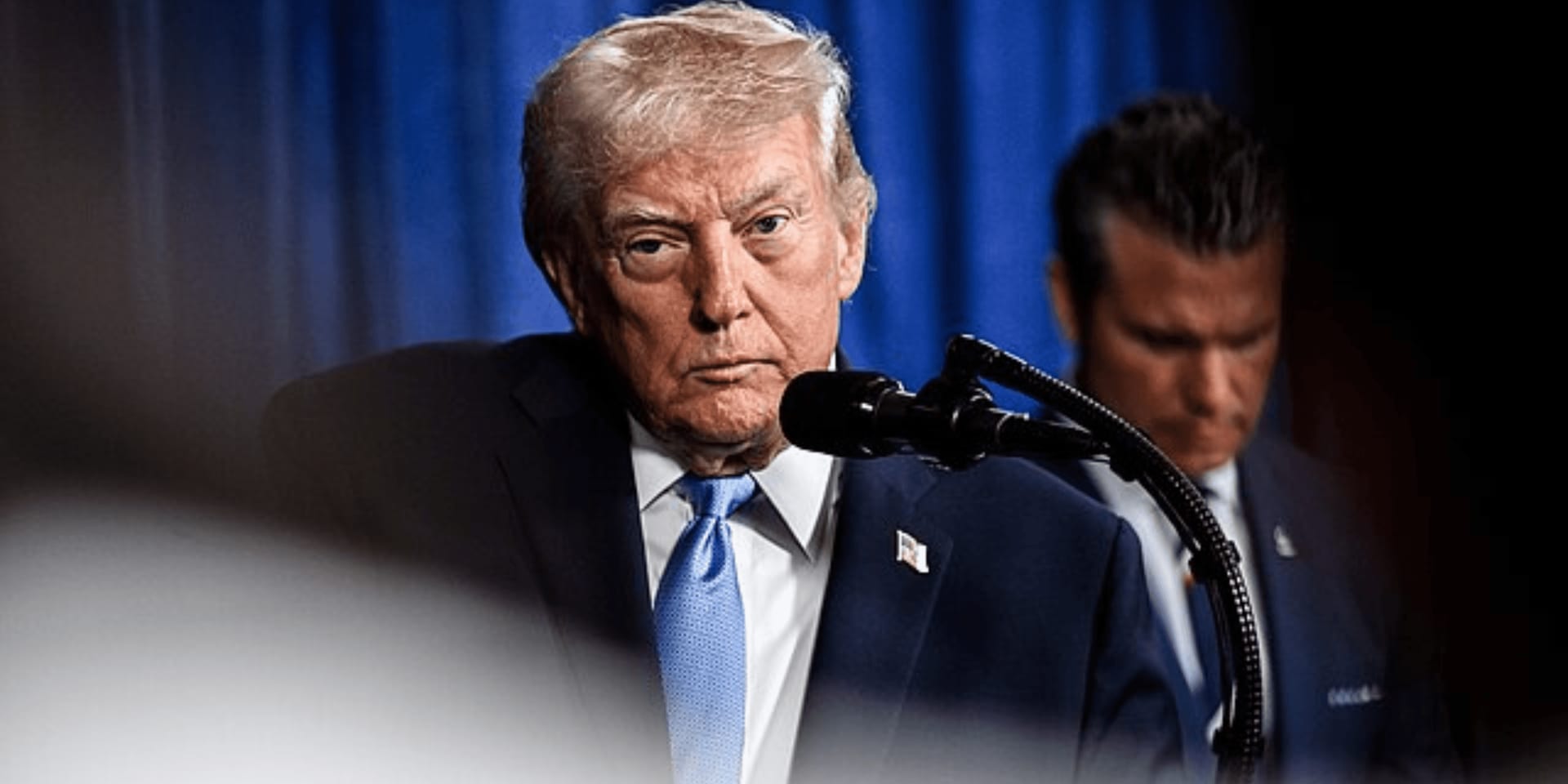
Trade Tensions with Europe Escalate Over Greenland
President Donald Trump’s increasingly assertive bid to acquire Greenland has triggered a diplomatic standoff with key European allies, prompting threats of punitive U.S. tariffs and counter‑measures from the European Union. Trump announced plans to impose an initial 10 percent tariff on imports from eight European nations opposing U.S. overtures regarding the autonomous Danish territory, with the rate set to rise to 25 percent by June if no agreement is reached. European leaders, including from France and the United Kingdom, condemned the approach as “blackmail” and warned of possible sanctions or retaliatory tariffs of their own. The dispute highlights a rare breach in U.S. relations with NATO allies and underscores strains in transatlantic cooperation.
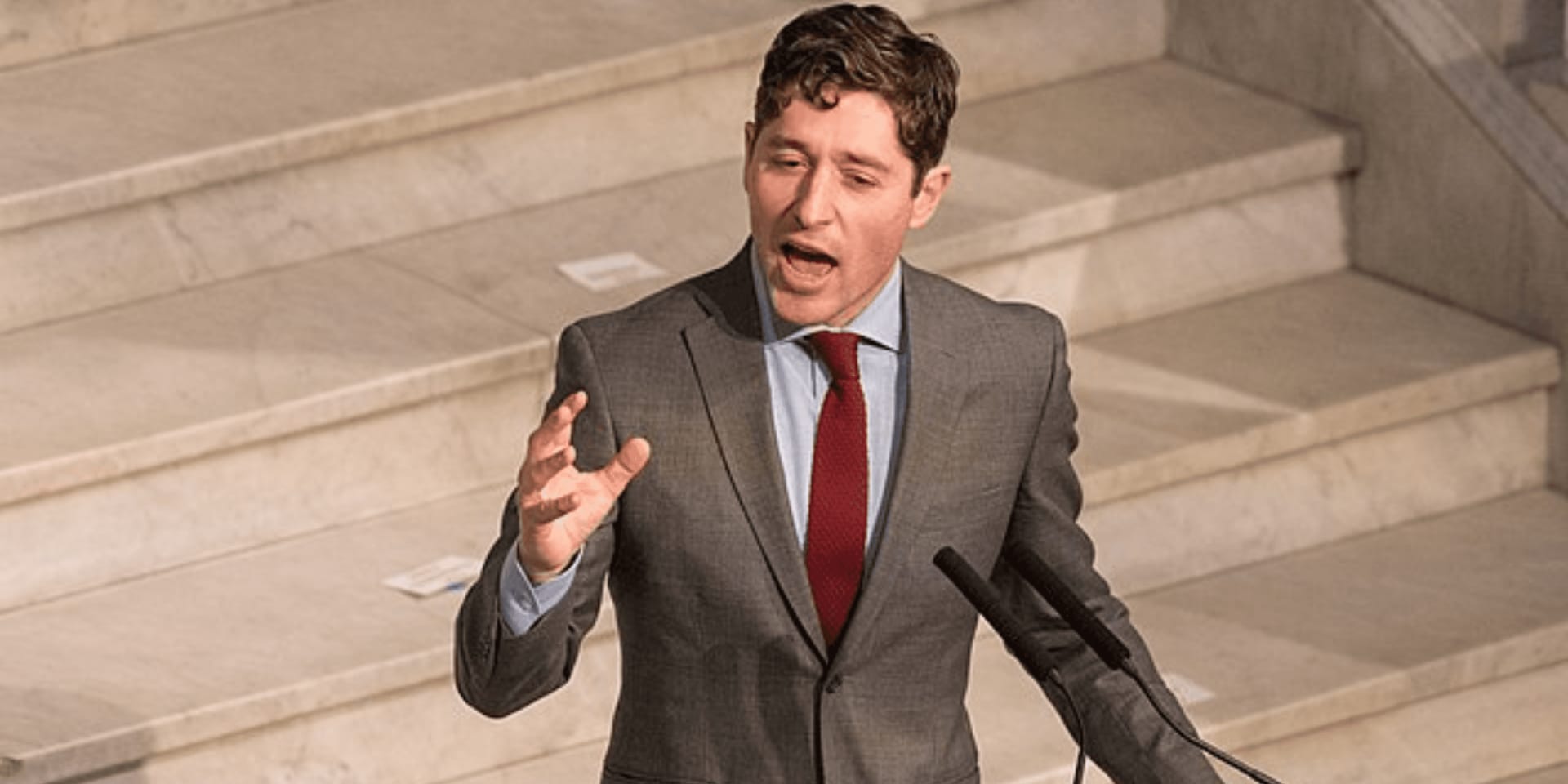
Federal and Local Tensions Over Enforcement Policies
Coverage of the controversial immigration strategy extends beyond Minnesota, revealing broader ideological clashes between federal authorities and Democratic‑led cities. The Trump administration’s deployment of thousands of immigration agents to cities such as Los Angeles, Chicago, and Portland has drawn sharp criticism from local leaders, who contend that such measures represent federal overreach. In Minneapolis, Mayor Frey described the influx of federal officers as an “occupying force,” while Homeland Security Secretary Kristi Noem defended the ICE operations, asserting that judicial limits have not impeded enforcement activities. The dispute also plays out in media interactions, with the White House threatening legal action against outlets perceived to edit or misrepresent presidential interviews.

Communications Outage and Infrastructure Scrutiny
Beyond politics, a major telecommunications outage earlier in the month remains part of national discourse as lawmakers and regulators assess its implications for public safety and infrastructure resilience. On January 14, Verizon Communications experienced a widespread network failure that disrupted voice, text, and data services across the United States, particularly in major metropolitan areas. Emergency officials warned that cellular connectivity for critical services such as 911 might be unreliable during peak outage periods, prompting advisories to use alternative communication means. The Federal Communications Commission (FCC) has launched an investigation into the outage’s causes and broader implications for network reliability.
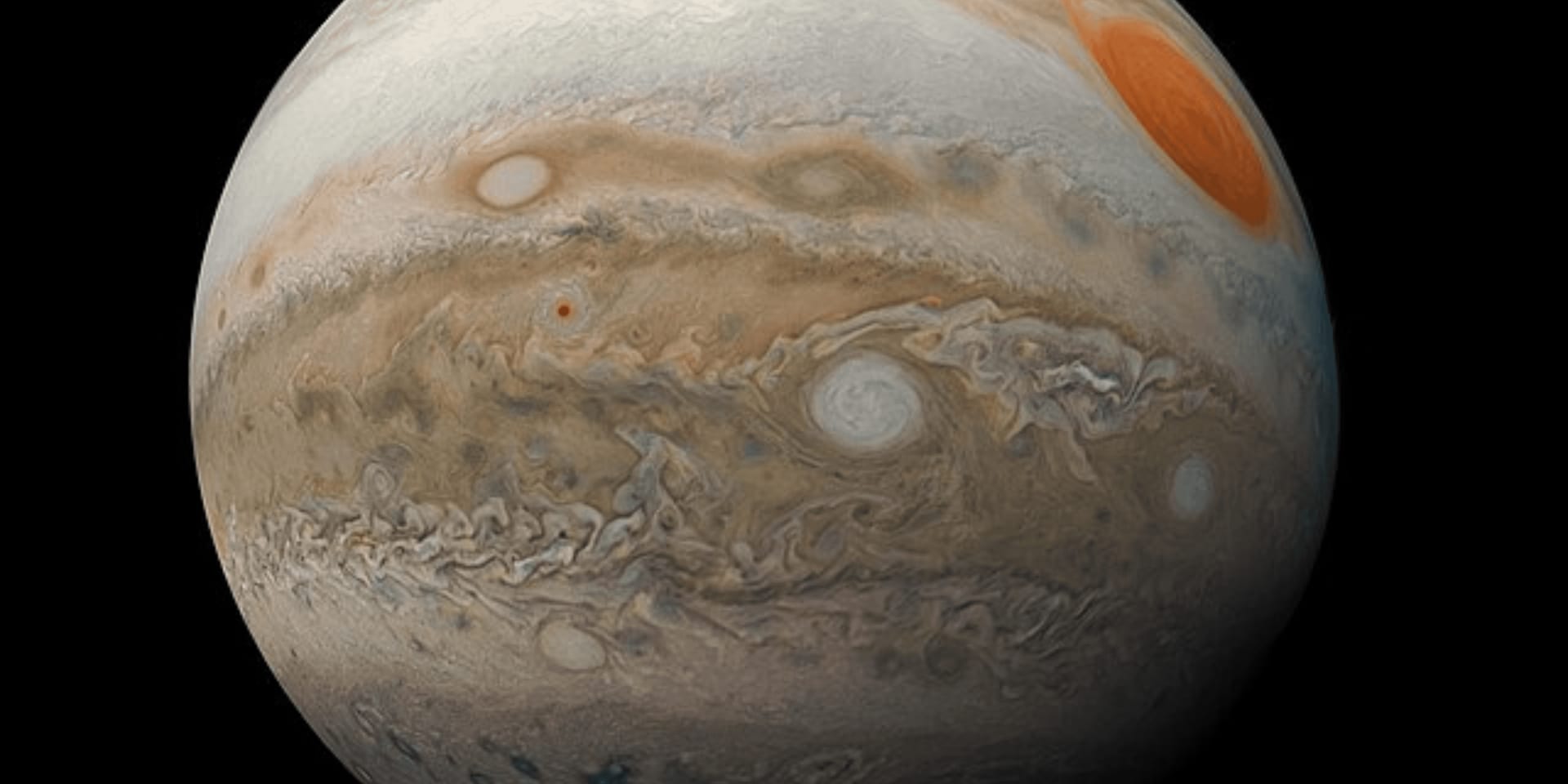
Cultural and Celestial Moments Mark the Weekend
In a quieter corner of national life, skywatchers and amateur astronomers greeted the new moon phase on January 18, which created ideal conditions for observing Jupiter, Saturn, and other winter constellations in dark January skies. While not commanding the political weight of domestic policy debates or foreign relations, the new moon event offered a moment of shared wonder for many Americans and underscored how even amid intense headlines, natural phenomena continue to capture popular interest.
Looking Ahead
As the nation moves into the week beginning with the Martin Luther King Jr. Day federal holiday on Monday, January 19, expect ongoing attention on Washington’s diplomatic clashes with European allies, further developments in national debates over immigration enforcement, and regulatory scrutiny of critical infrastructure failures. Key legislative sessions, executive branch actions, and local responses in affected cities will shape the political narrative as the U.S. navigates both domestic divisions and international tensions.