U.S. Leading Indicators Index Falls, But Recession Unlikely
The U.S. Leading Economic Index (LEI) declined by 0.6% in July, marking the fifth consecutive monthly drop. Despite this trend, economists suggest that fears of an imminent recession may be overstated, as other economic indicators, including job growth and consumer spending, remain relatively stable.
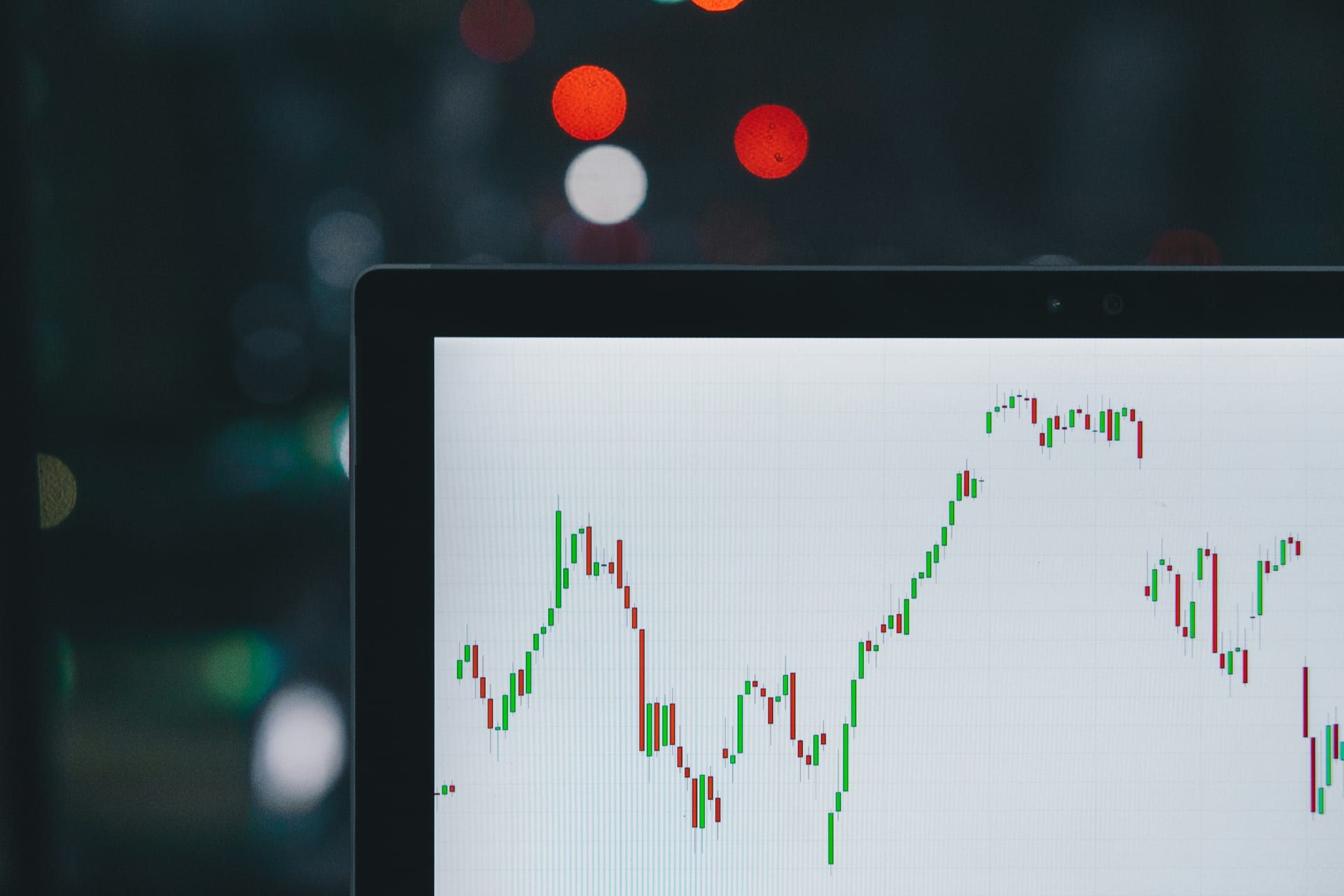
The LEI, which is compiled by the Conference Board, is considered a key predictor of future economic activity. A sustained decline often signals economic downturns. However, analysts believe the current drop reflects a cooling economy rather than an outright contraction.
One of the main drivers of the decline is a slowdown in manufacturing orders and weaker business investment. Additionally, tighter credit conditions following the Federal Reserve’s interest rate hikes have made it more difficult for businesses to secure funding, further slowing economic growth.
Despite these concerns, labor market data remains strong, with unemployment holding steady at 4.2%. Consumer spending, which drives nearly 70% of the U.S. economy, has also remained resilient, buoyed by wage increases and a strong services sector.
Federal Reserve officials are monitoring the LEI but have indicated that they are not overly concerned at this stage. Some policymakers suggest that the economy is undergoing a necessary adjustment following rapid post-pandemic growth rather than heading toward a severe downturn.
Still, businesses and investors remain cautious. Stock markets reacted modestly to the LEI’s decline, with analysts suggesting that while economic growth may slow in the coming months, a deep recession is unlikely. The focus now shifts to upcoming inflation data and consumer confidence reports, which will provide further clarity on the economy’s trajectory.
For now, economists advise businesses to prepare for slower growth while maintaining a long-term perspective. While economic conditions are shifting, the overall outlook suggests that the U.S. economy remains resilient despite ongoing challenges.