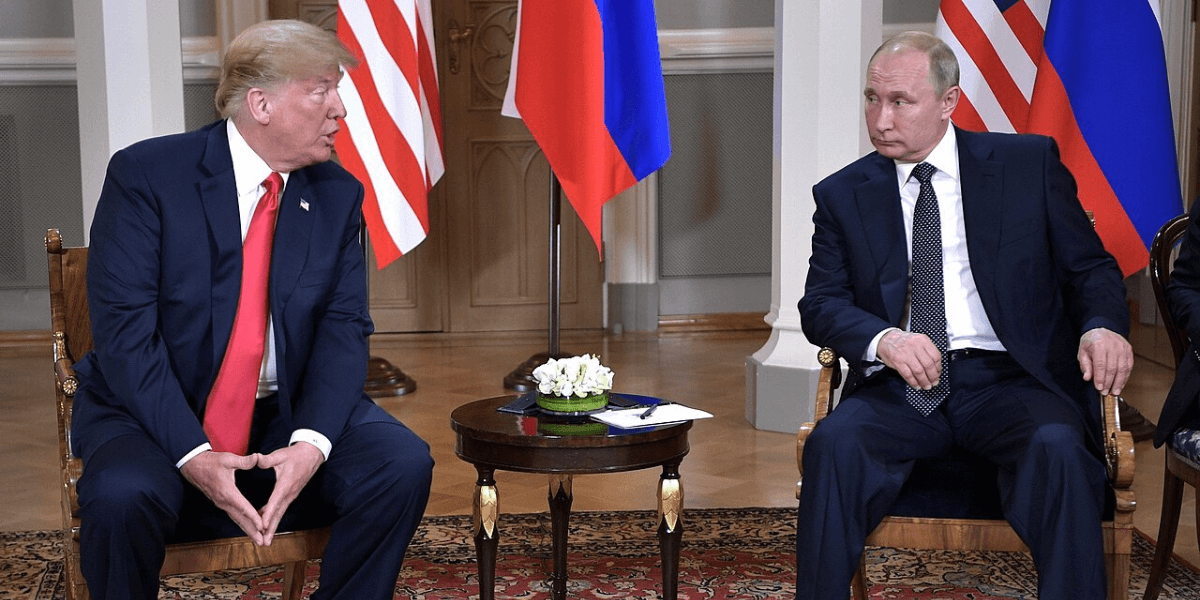
U.S. Ends 2025 with Escalating Military Action, Domestic Policy Shifts and Weather Extremes
As 2025 draws to a close, major developments across foreign policy, immigration, domestic economics and weather are shaping public discourse and government action. From military operations abroad to contentious changes in immigration procedures at home, Americans are facing a mix of geopolitical tension and internal policy realignment. Meanwhile, seasonal weather swings and shifting mortgage markets underscore broader economic concerns shaping life for citizens nationwide.

U.S. Military Expands Strikes on Drug Trafficking Networks
The U.S. military has carried out continued operations targeting drug smuggling operations in the eastern Pacific and along the Venezuelan coast, marking a notable escalation late in the year. According to official announcements, the military conducted what was described as its 30th strike on a vessel accused of involvement in drug trafficking, resulting in multiple fatalities. President Donald Trump’s administration has characterized these actions as part of an “armed conflict” with cartel networks, though evidence supporting the asserted connections to drug flows remains limited. In a related announcement, the White House stated that a facility used for loading drug boats in Venezuela had been struck, signaling the first known U.S. land operation in the country in this campaign—an action that could heighten tensions in an already fraught regional geopolitical climate.

Immigration Policy Overhaul and Citizenship Barriers Spark Outcry
Immigration policy shifts introduced late in 2025 have stirred controversy, particularly surrounding naturalization procedures and visa restrictions. A new policy targeting individuals from designated “high‑risk” countries has led to the abrupt cancellation of naturalization ceremonies for many long‑awaiting applicants, leaving would‑be citizens in states of shock and distress. Legal advocates argue the policy undermines foundational American principles by effectively discriminating based on nationality even after years of compliance with U.S. immigration requirements. Additionally, broader policy changes including expanded travel bans, biometric requirements and asylum freezes are reshaping the immigration landscape for millions—sparking legal challenges and civil liberties debates as the nation heads into 2026.
Economic Signals as Mortgage Rates Dip to Year‑End Lows
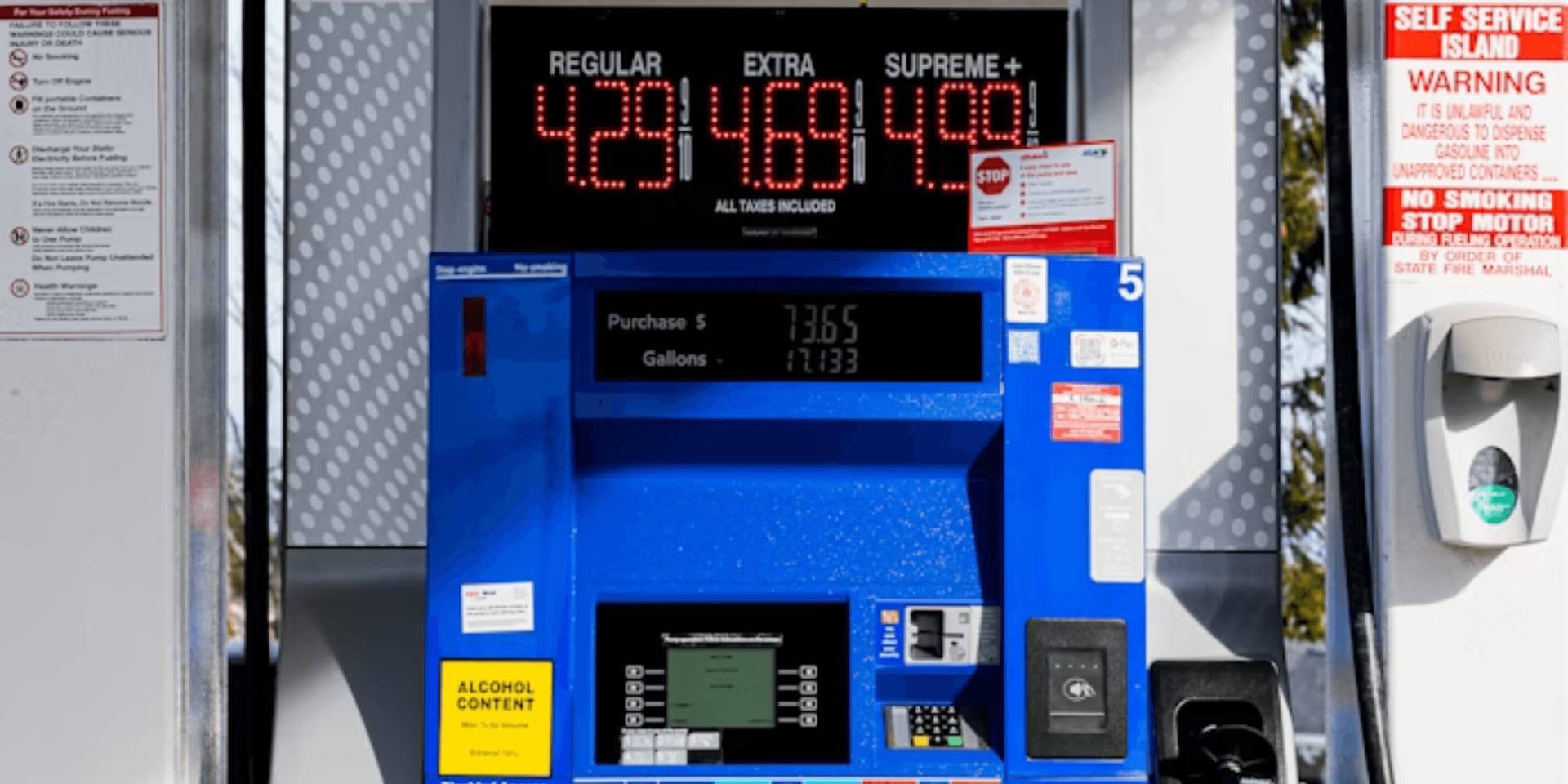
On the economic front, U.S. financial indicators showed notable movement as the year winds down. Mortgage rates have fallen to their lowest average in approximately one year, with the typical 30‑year fixed mortgage hovering near 6.1 percent. This development comes amid broader economic shifts, including Federal Reserve interest rate adjustments and evolving inflation dynamics. Lower borrowing costs may offer some relief for prospective homebuyers and homeowners refinancing existing debt, even as broader economic concerns—such as job market trends and consumer confidence—remain central to forecasts for 2026.

Arctic Cold Blast Follows Record Warmth Across Eastern States
Weather extremes are closing out the year with dramatic temperature swings across the United States. After record warm conditions in parts of the eastern and central regions, a powerful cold front swept through, ushering in sharply lower temperatures and winter storm warnings just days before New Year’s Eve. Forecasts suggest nearly 240 million Americans will experience below‑average temperatures, with snowfall and icy traveling conditions expected to challenge infrastructure and holiday travel plans. This stark shift underscores broader patterns of increasingly variable weather systems impacting daily life nationwide.
Humanitarian Aid Pledge Signals Global Engagement Amid Criticism
Amid domestic debates and geopolitical tensions, the United States has pledged $2 billion in humanitarian support to the United Nations. This funding commitment comes in the context of substantial reductions in U.S. foreign aid in 2025, which saw American contributions drop sharply from previous years, contributing to significant budget shortfalls for global humanitarian efforts. The new pledge is intended to support vulnerable populations around the world, though details on allocation and implementation remain forthcoming. The move reflects continued U.S. engagement in global humanitarian issues even as foreign aid policy has shifted over the past year.
Looking Ahead
As the nation transitions into 2026, policymakers and the public will be watching how ongoing military engagements, contentious domestic policy shifts, and economic trends evolve. Early 2026 may see further debate over immigration reforms, fiscal policy responses to inflation and growth, and assessments of U.S. roles in foreign operations. Weather patterns and their implications for infrastructure will continue to influence planning, while geopolitical developments—especially in Latin America and the Middle East—remain central to the foreign policy agenda.