
U.S. Grapples With Geopolitical Escalation, Political Turmoil, and Record‑Breaking Heat
The United States was dominated by soaring geopolitical tensions after high‑stakes peace negotiations with Iran collapsed, prompting the Trump administration to implement a naval blockade of the strategic Strait of Hormuz. The move rattled global markets and deepened domestic political divisions. At home, a prominent congressional campaign unraveled amid serious misconduct allegations, while much of the nation prepared for an unprecedented spring heat wave. These developments underscored a volatile moment in foreign policy, domestic politics, and the climate outlook.

U.S. Begins Naval Blockade After Iran Peace Talks Fail
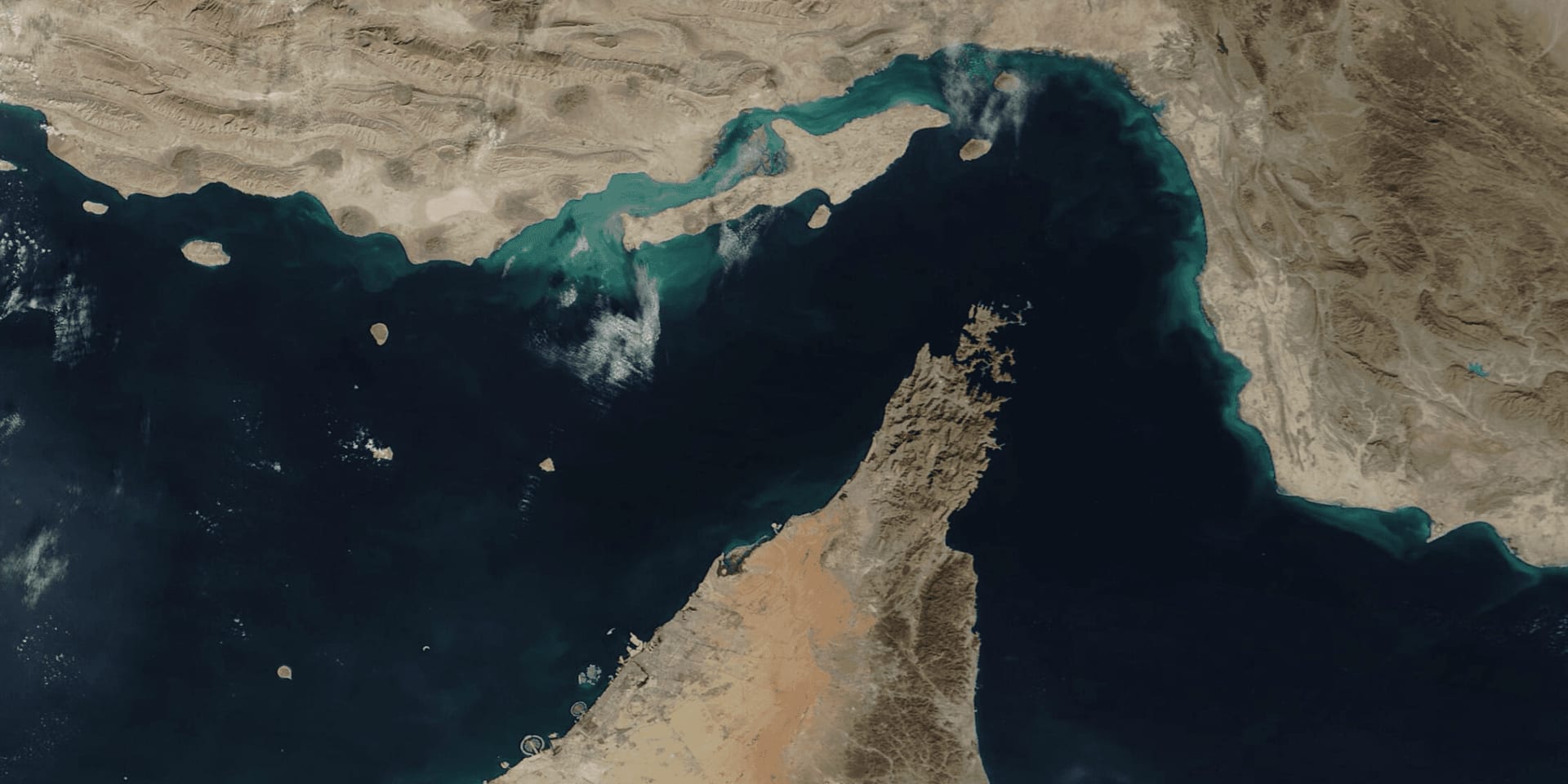
President Donald Trump ordered the U.S. Navy to enforce a blockade of the Strait of Hormuz early Monday after peace negotiations in Islamabad broke down over Iran’s nuclear ambitions, marking a significant escalation in the ongoing conflict with Tehran. The blockade, set to begin at 10 a.m. EDT, aims to restrict maritime traffic to and from Iranian ports in an effort to choke off Iranian oil exports, but has drawn widespread international criticism as destabilizing and potentially illegal under international law. Iran’s Revolutionary Guard condemned the move as a breach of the tentative cease‑fire, hinting at possible retaliation, while U.S. Central Command said it will permit free passage for vessels heading to and from non‑Iranian ports. The standoff drove oil prices above $100 a barrel and ignited debates in Washington over the risks of further military escalation.
Analysts warn the blockade could further strain U.S. relations with key allies, complicate global energy markets, and test the fragile cease‑fire that had temporarily paused broader hostilities. Reports indicate Trump is also considering limited military strikes on Iranian infrastructure if the situation deteriorates, though a full bombing campaign appears less likely.

Political Fallout in California: Swalwell Suspends Gubernatorial Campaign
In domestic political news, Democratic Rep. Eric Swalwell abruptly suspended his campaign for California governor amid multiple sexual misconduct and assault allegations. Swalwell, once a leading Democratic contender, denied the accusations but acknowledged “mistakes in judgment” and said he would focus on defending himself rather than continuing the campaign. His exit reshapes the already chaotic California primary landscape and underscores growing pressures on elected officials as allegations of misconduct draw bipartisan scrutiny.
The allegations have also sparked calls from leaders in both parties for Swalwell to resign his congressional seat, and ethics and criminal investigations are now underway, potentially extending the political ramifications beyond the governor’s race.

Financial Markets React to Geopolitical Risk
U.S. financial markets opened lower Monday as futures for the Dow Jones, S&P 500, and Nasdaq all declined in response to heightened geopolitical risk and surging oil prices. The looming Strait of Hormuz blockade and uncertainty over the trajectory of U.S.–Iran relations have rattled investor confidence, erasing recent gains and raising concerns about inflationary pressures from higher energy costs. Crude oil climbed sharply, with West Texas Intermediate topping $104 a barrel, exacerbating fears of higher gasoline prices for American consumers.
Economists caution that prolonged instability in the Middle East could further disrupt global supply chains and slow economic growth at home, particularly if trade routes remain threatened or if broader military engagement ensues.

Historic Heat Wave Sets Sights on East Coast
While geopolitical and political headlines dominated, millions of Americans braced for an extraordinary heat wave expected to sweep across the Eastern United States this week. Forecasts project temperatures rising as much as 30°F above seasonal averages, with parts of the Northeast — including New York City and surrounding states — potentially reaching the 80s and even near 90°F in mid‑April. Such anomalous warmth has the potential to break longstanding daily and seasonal records, elevate wildfire risk, and strain public health systems.
This surge in temperatures builds on a broader pattern of record‑warm conditions this spring, with March 2026 recently recorded as the warmest on record for the contiguous U.S., a stark indicator of ongoing climate volatility.
Broader Context: Ongoing Iran War and Domestic Strains
The blockade comes amid the sixth week of the U.S. military’s conflict with Iran, which has seen aerial campaigns and confrontations aimed at reopening the Strait of Hormuz since mid‑March. Though a two‑week cease‑fire was negotiated earlier in April, tensions have quickly reignited, underscoring the fragility of any diplomatic respite.
Domestically, political institutions continue to grapple with internal pressures, from Supreme Court challenges over executive powers to increased scrutiny of congressional conduct. These strains reflect broader national debates over governance, accountability, and the rule of law as the 2026 midterm elections loom.
Looking Ahead:
In the coming days, markets will continue to monitor developments in the Middle East, particularly any shifts in U.S.–Iran engagement or broader coalition responses. Politically, the fallout from Swalwell’s campaign suspension could influence legislative dynamics in Congress and shape narratives in key races nationwide. At home, Americans should prepare for sustained record heat, with public health advisories and energy demand concerns likely rising. Finally, upcoming earnings reports from major U.S. corporations and federal economic data will provide additional insight into how geopolitical risk is intersecting with domestic economic resilience.