
Inflation Pressures Rise as Political Undercurrents Shape a Pivotal Spring
The first days of May 2026 are marked by a convergence of economic strain, political maneuvering, and growing public mobilization across the United States. Rising prices and global tensions are testing economic resilience, while early signals from the 2026 midterm elections are already reshaping the national political landscape. At the same time, labor activism and seasonal preparedness efforts reflect a country balancing uncertainty with forward-looking action.
Inflation Climbs Amid Global Tensions and Economic Resilience
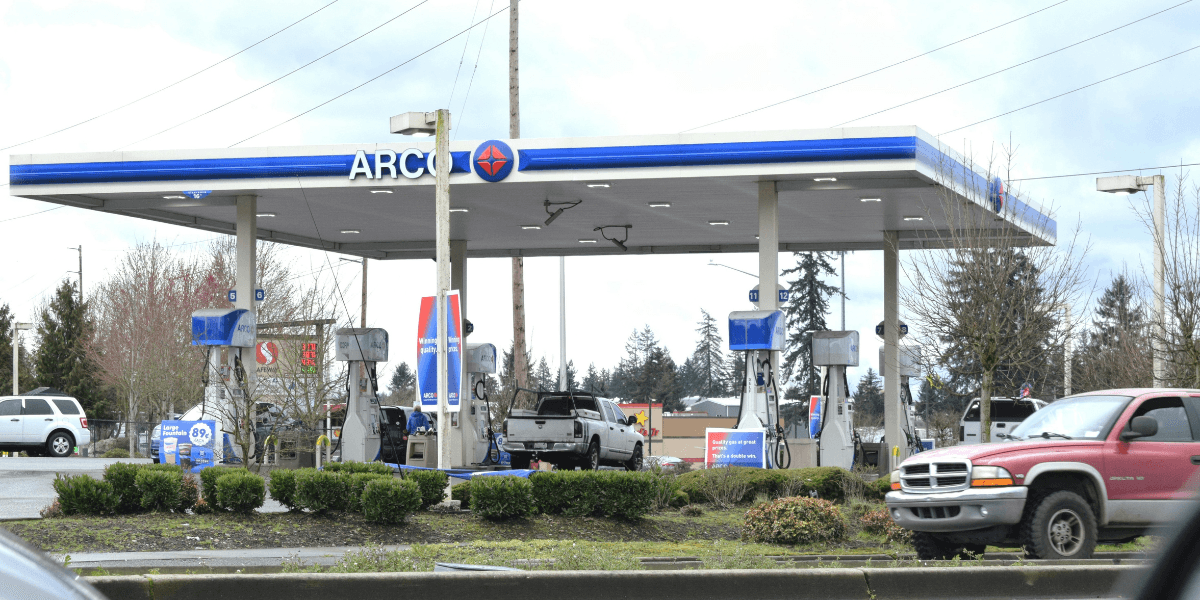
New economic data shows inflation accelerating sharply, with consumer prices rising 3.5% year-over-year—the highest level in nearly three years. A significant driver has been surging energy costs, as gasoline prices average around $4.39 per gallon amid ongoing geopolitical conflict involving Iran.
Despite these pressures, the broader economy has shown resilience. Gross domestic product grew at a 2% annual rate in the first quarter, and unemployment claims have dropped to their lowest level in decades. Consumer confidence has ticked upward slightly, and stock markets continue to reach record highs, buoyed in part by strong earnings from major technology firms.
Still, higher mortgage rate
s and persistent cost-of-living concerns are weighing on households, suggesting a complex and uneven economic outlook heading into the summer.
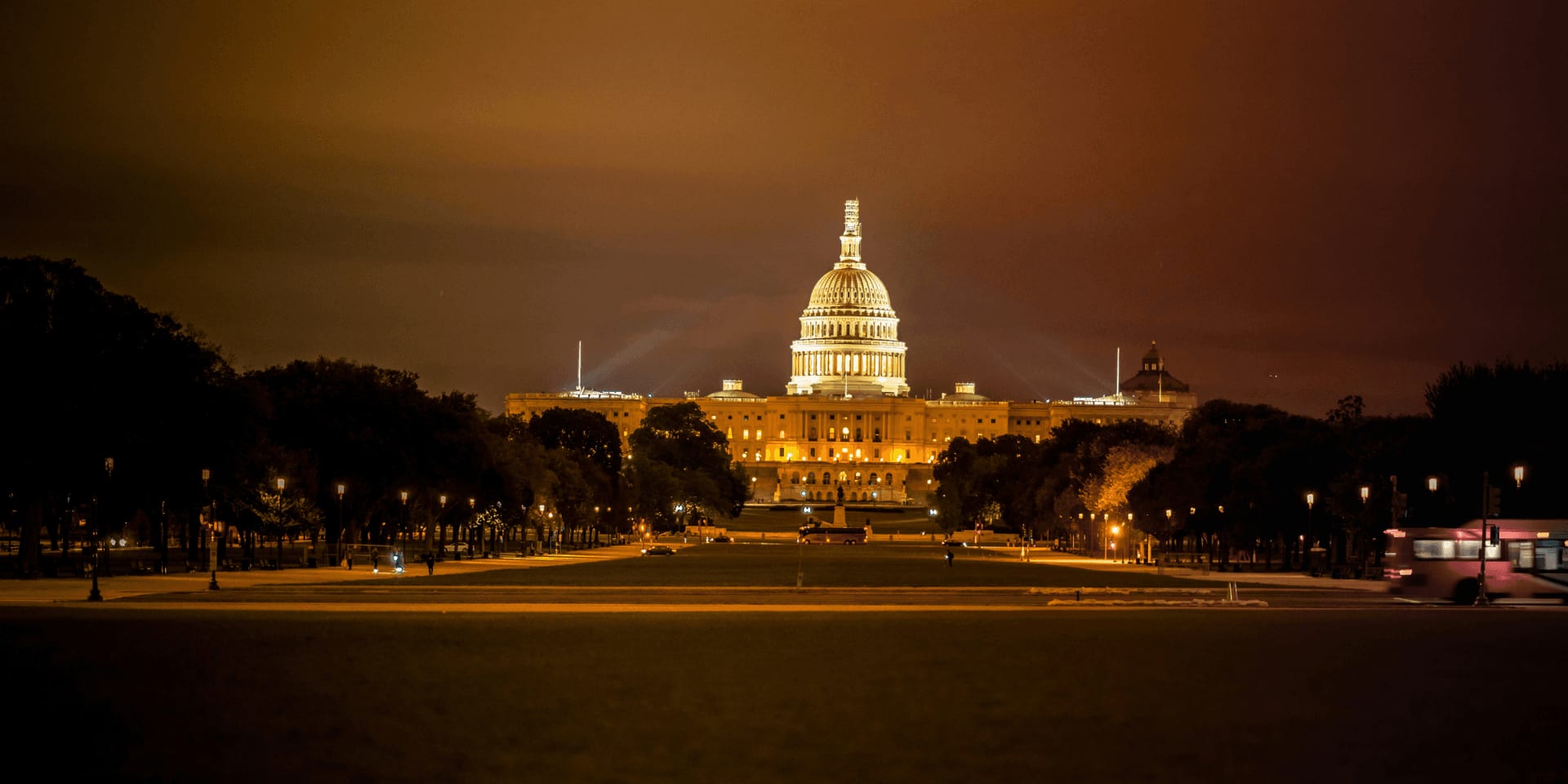
Photo Credit: Heidi Kaden/Unsplash
Early Midterm Signals Show Shifting Political Landscape
With the 2026 midterm elections still months away, early polling indicates a potentially competitive environment that could reshape control of Congress. Democrats currently hold a modest national polling advantage of around four percentage points, though uncertainties remain given past polling inaccuracies.
Republicans, who currently control both chambers, face headwinds tied to declining approval ratings for President Donald Trump, particularly on economic issues. Several Senate races—including those in Georgia, Michigan, and North Carolina—are already being closely watched as potential battlegrounds.
The outcome of these elections will carry significant implications for the administration’s legislative agenda and could influence the broader direction of federal policy in the latter half of Trump’s term.
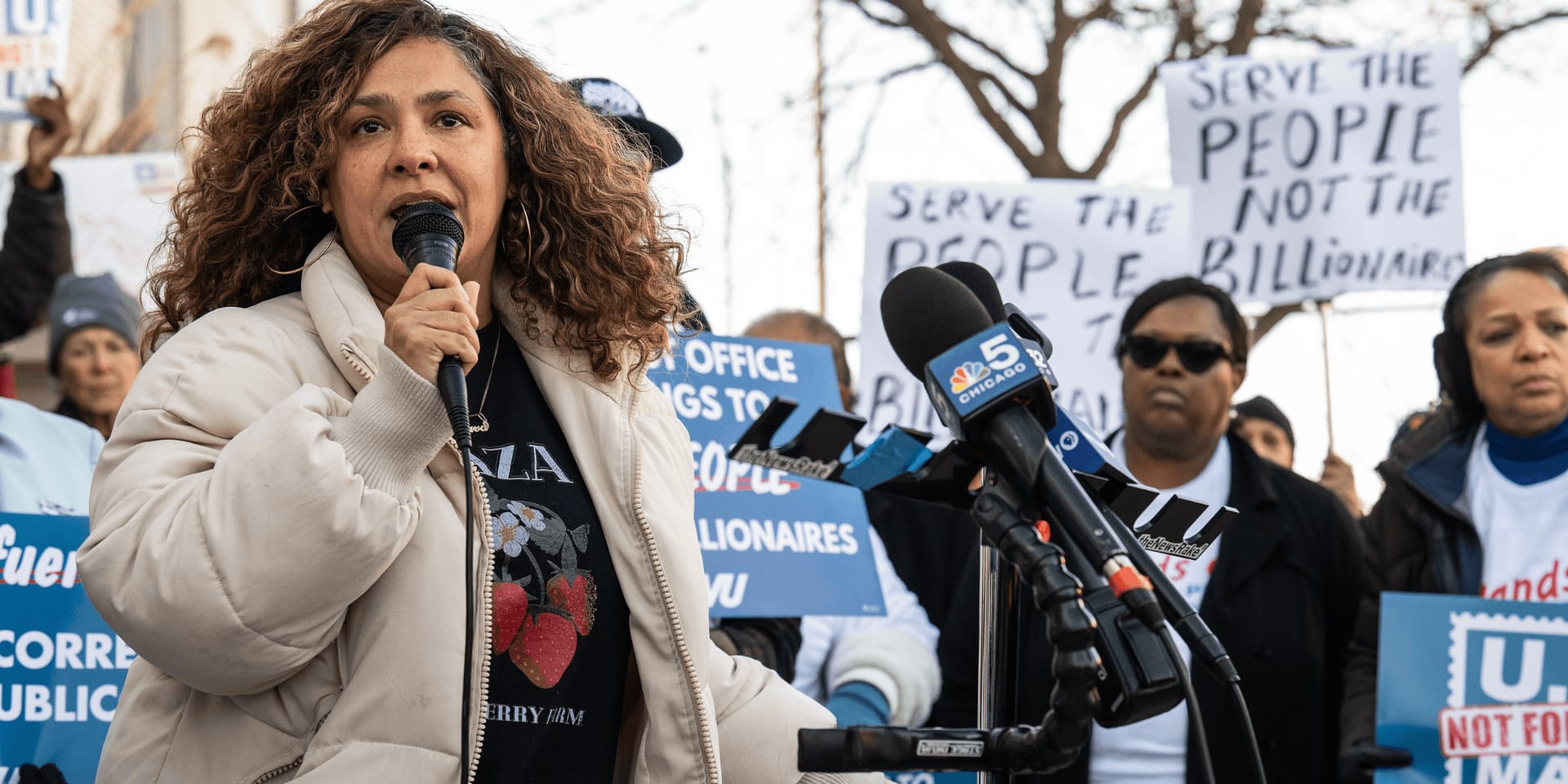
Ald. Rossana Rodriguez-Sanchez speaks at a rally in 2025.
Photo credit: Paul Goyette/Wikimedia
Nationwide May Day Protests Highlight Labor and Inequality Concerns
Across the country, labor groups and advocacy organizations have mobilized for large-scale “May Day Strong” demonstrations, with thousands of events organized to highlight worker rights and economic inequality. Protesters are calling for higher wages, expanded labor protections, and policy changes aimed at addressing wealth disparities.
The demonstrations reflect a broader resurgence in labor activism, fueled in part by frustrations over rising living costs and concerns about corporate influence in policymaking. Organizers have emphasized the need for sustained civic engagement leading up to the 2026 elections.
While largely peaceful, the scale and coordination of these protests underscore the intensity of public sentiment on economic issues and the growing visibility of labor movements in national discourse.
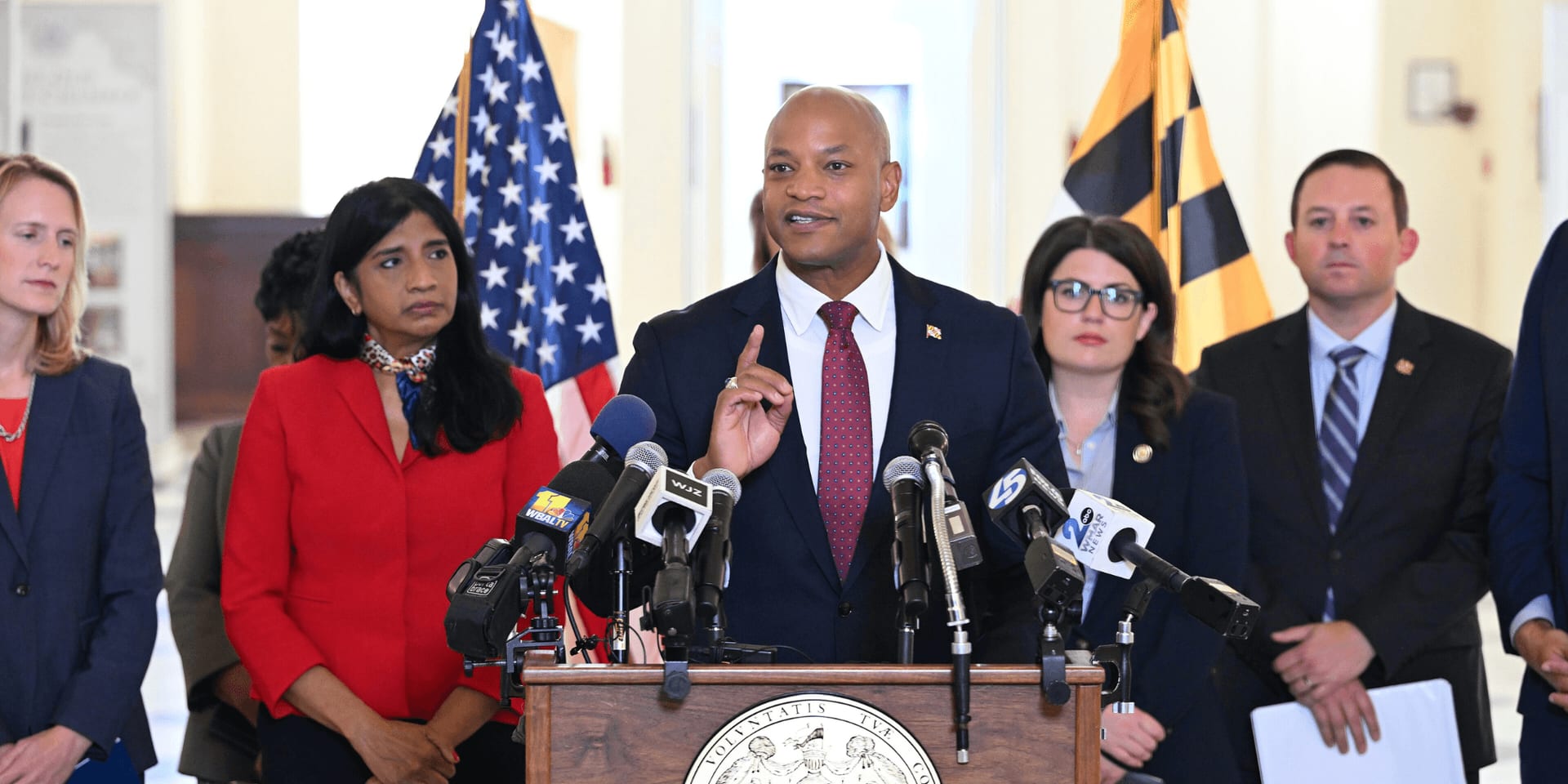
Governor Moore holds a Press Conference on Federal Government Shutdown by Joe Andrucyk, Patrick Siebert at Ground floor of the State House, State House, 100 State Circle Annapolis MD 21401, October 1, 2025
Photo Credit: Maryland GovPics/Wikimedia
Federal Government Recovers After Prolonged Shutdown Disruptions
The U.S. government is emerging from a turbulent period marked by two shutdowns earlier this year, including a prolonged partial closure of the Department of Homeland Security that lasted more than two months. The standoff stemmed from disputes over immigration enforcement reforms and funding priorities.
Although operations have resumed, the shutdowns disrupted federal services, delayed policy implementation, and contributed to economic uncertainty earlier in the year. Their aftereffects continue to shape budget negotiations and political dynamics in Washington.
The episode has also intensified debates over congressional gridlock and raised questions about the stability of federal governance amid deeply polarized policy disputes.

Photo Credit: Kostiantyn Li/Unsplash
Hurricane Preparedness Efforts Begin Ahead of Active Season Forecast
As National Hurricane Preparedness Week begins, federal agencies and meteorologists are urging Americans to prepare for what could be an active storm season. Forecasts suggest between 11 and 16 named storms, with several expected to directly impact the United States.
Officials are emphasizing the risks posed by rapidly intensifying storms, particularly those forming close to the coastline, which can reduce preparation time. Communities along the Gulf Coast and Eastern Seaboard are being encouraged to review emergency plans and secure supplies ahead of the June 1 start of hurricane season.
These preparations come as climate variability and warming ocean temperatures continue to influence storm patterns, adding urgency to readiness efforts nationwide.
Looking Ahead
In the weeks ahead, attention will remain fixed on inflation trends and whether policymakers take additional steps to stabilize prices. Political focus will increasingly shift toward the midterm elections as campaigns intensify and key races take shape. Meanwhile, labor activism and public demonstrations may continue to influence the national conversation on economic fairness. As hurricane season approaches, preparedness efforts will also test federal, state, and local coordination in the face of potential natural disasters.