
Walt W. White On The Leadership Lessons Most CEOs Miss
Drawing on 40 years of fire service experience, Walt W. White challenges executives to rethink leadership, trust, and lasting success.

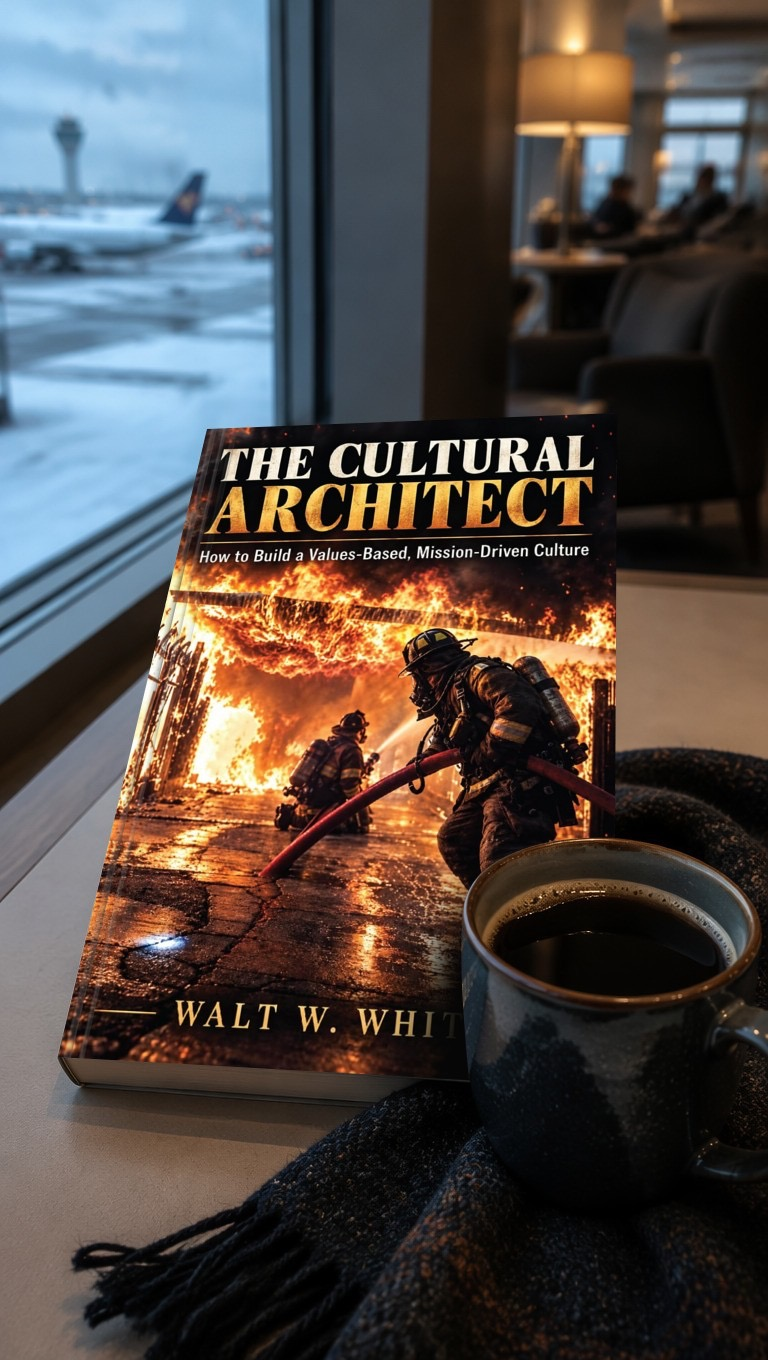
There comes a point in every leader's career when authority is no longer enough. Decisions become more difficult, expectations rise, and the people looking for direction need something greater than confidence. They need trust. For Fire Chief Walt W. White, those moments were not theoretical. They were part of a 40 year career in the fire service, where leadership decisions carried real consequences and organizational weaknesses could not remain hidden. Now, through his book, The Cultural Architect: How to Build a Values-Based, Mission-Driven Culture, White is sharing the lessons that shaped his understanding of leadership and challenging executives to reconsider what makes an organization successful.
The Leadership Lessons Walt W. White Learned Under Pressure
Before becoming an author and leadership mentor, Walt W. White spent four decades serving communities across California and Nevada. He led three fire agencies, including the Sacramento Fire Department, and served 12 years as a fire chief. His career placed him in demanding environments where teamwork was essential, communication mattered, and trust could not be established through authority alone.
Those experiences shaped a leadership philosophy that challenges conventional thinking. White recognized that holding a position of authority does not automatically make someone an effective leader. A title establishes responsibility, but respect must be earned through consistent behavior, sound judgment, and accountability.
In challenging environments, employees observe how leaders respond when circumstances become uncomfortable. They notice whether promises are honored, whether expectations apply equally, and whether difficult conversations are handled with fairness. These everyday actions influence organizational confidence far more than inspirational speeches or ambitious strategic plans.
For White, the most important leadership lessons often emerged when expectations collided with reality. Those experiences taught him that an organization's strength depends not only on the decisions its leaders make but also on the culture those decisions create.
Why Successful Leaders Can Still Build Weak Organizations
One of the most thought provoking ideas in The Cultural Architect is that even capable leaders can oversee organizations with unhealthy cultures.
A company may have talented employees, impressive resources, and clearly defined goals. Yet beneath those strengths, poor communication, inconsistent accountability, and declining trust can weaken its foundation.
White argues that these challenges cannot always be resolved through additional policies or organizational restructuring. Leaders must examine the behaviors they encourage, the problems they overlook, and the example they set.
His philosophy centers on a powerful principle: Organizations do not automatically rise to the level of their expectations. They fall to the level of their culture.
This perspective encourages executives to look beyond performance reports and consider what employees experience every day.
Do team members feel comfortable raising concerns? Are organizational values reflected in leadership decisions? Do employees understand how their responsibilities contribute to a larger mission?
For White, these questions reveal whether an organization has developed a culture capable of supporting its ambitions.
The Mistakes That Changed His Understanding Of Leadership
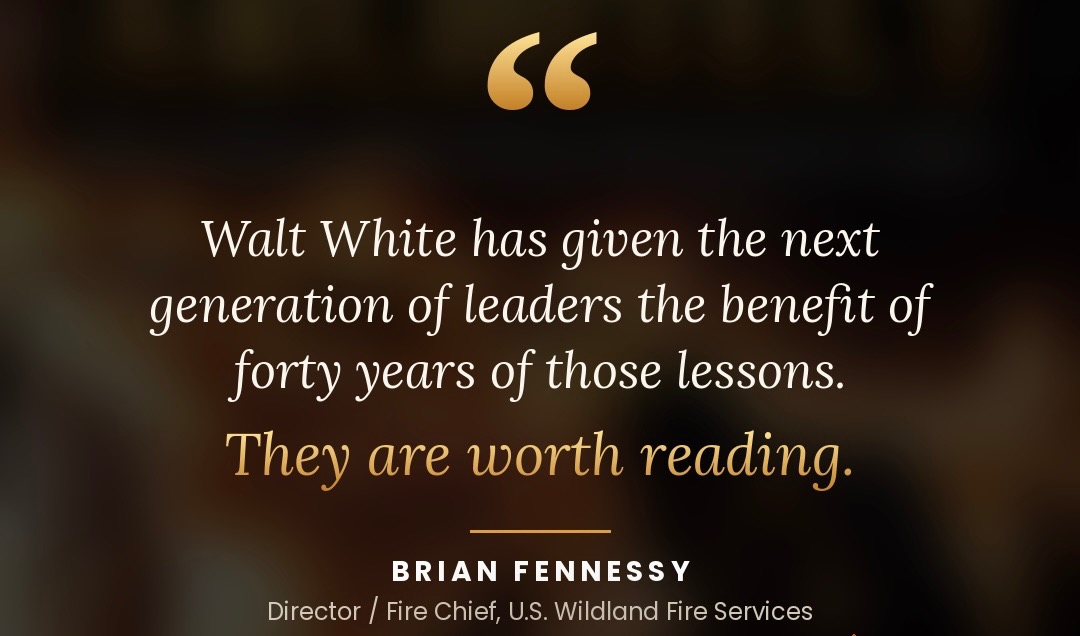
Many leadership books focus on accomplishments and exceptional outcomes. White takes a different approach by acknowledging that some of his most valuable lessons came from decisions that did not unfold as expected.
Throughout his career, he encountered situations that challenged his assumptions about communication, responsibility, and organizational change. Rather than overlooking those experiences, he used them to reconsider how leadership influences people.
His willingness to examine setbacks is central to The Cultural Architect. White presents leadership not as a pursuit of perfection but as a responsibility that demands humility, reflection, and continuous improvement.
The book introduces seven essential elements of organizational culture and three primary levers for organizational renewal. Drawing from his professional experience, this framework encourages leaders to identify cultural weaknesses, strengthen shared values, and connect organizational expectations with everyday behavior.
Instead of presenting culture as an abstract management concept, White describes it as something leaders actively shape through their actions.
The message is particularly relevant for executives who recognize that sustainable organizational improvement requires more than a compelling vision. It requires consistent behavior that employees can observe, understand, and trust.
Why Walt W. White Believes Leaders Must Leave Their Offices
One of White's most memorable leadership principles is deceptively simple: "Wander, not Wonder."
The idea challenges a common problem in executive leadership. As managers advance, they often become increasingly separated from the people responsible for daily operations. Their understanding of workplace realities may depend heavily on reports, scheduled meetings, and information filtered through multiple management levels.
White encourages leaders to close that distance.
By spending time with employees, observing operations, and listening to concerns, leaders can develop a clearer understanding of organizational strengths and emerging challenges.
A conversation with a team member may reveal an issue that never appears in a formal report. An informal visit may expose communication gaps or uncover opportunities for improvement.
Equally important, this presence demonstrates that leadership values employees as people rather than simply measuring their productivity.
White also promotes the principle of "Huddle Up," encouraging leaders to bring teams together when collaboration, problem solving, and shared responsibility are needed.
These practices reflect his belief that effective leadership is not defined by maintaining distance or projecting unquestionable authority. It is built through meaningful relationships, clear expectations, and mutual respect.
The Most Important Leadership Test Happens After You Leave
Perhaps the most compelling aspect of White's philosophy concerns what happens when a leader is no longer in charge.
Many executives measure success through immediate achievements, including completed initiatives, improved operations, and organizational growth. While these accomplishments matter, White encourages leaders to consider a more enduring question: What will remain when they leave?
An organization that depends entirely on one individual's authority may appear strong while that person is present. However, leadership transitions can reveal whether its values and expectations were genuinely established.
White approaches leadership as stewardship. The responsibility is not simply to manage an organization during a particular period but to leave it better prepared for the future.
That means developing future leaders, strengthening relationships, establishing clear expectations, and building a culture that can continue without constant direction from one individual.
His professional journey also includes recognition within the fire service community. According to his professional biography, White was inducted into the Guns & Hoses Hall of Fame in 2016 and the Firefighter Challenge Hall of Fame in 2024.
Yet the lessons he shares extend beyond emergency services. Corporate executives, nonprofit directors, public administrators, and emerging managers face similar challenges involving trust, accountability, employee engagement, and leadership succession.
For White, lasting leadership is not about becoming indispensable. It is about creating an organization capable of succeeding long after its current leader has moved on.
Discover How Walt W. White Is Rethinking Leadership
Through The Cultural Architect: How to Build a Values-Based, Mission-Driven Culture, Walt W. White invites leaders to examine the difference between the values they communicate and the behaviors their organizations demonstrate.
His approach encourages executives to replace assumptions with conversations, authority with earned trust, and short term thinking with a commitment to lasting organizational strength.
For readers seeking a practical perspective shaped by four decades of leadership experience, White's work offers an opportunity to rethink how organizational culture influences people, performance, and the future.
Explore his leadership philosophy, professional speaking engagements, and executive coaching services at theculturalarchitect.org, or discover his book, The Cultural Architect, on amazon.com.
For speaking inquiries, executive coaching, or additional information, contact White at culturalarchitect@outlook.com or call +1 (916) 501 0289.
Ultimately, White's message challenges leaders to consider a question that extends beyond professional achievements: When the title is gone and someone else occupies the office, will the organization still reflect the values they worked to establish?
For Walt W. White, that is where the true measure of leadership begins.