
Washington Balances Global Pressures and Domestic Priorities
The national conversation on Sunday centered on the intersection of foreign policy, economic strategy, and domestic governance. As the Trump administration continued to pursue an assertive international agenda, debates over trade, federal spending, and congressional oversight remained at the forefront of American politics. Markets, lawmakers, and U.S. allies alike are closely watching how these decisions could influence the country's economic outlook and global position.
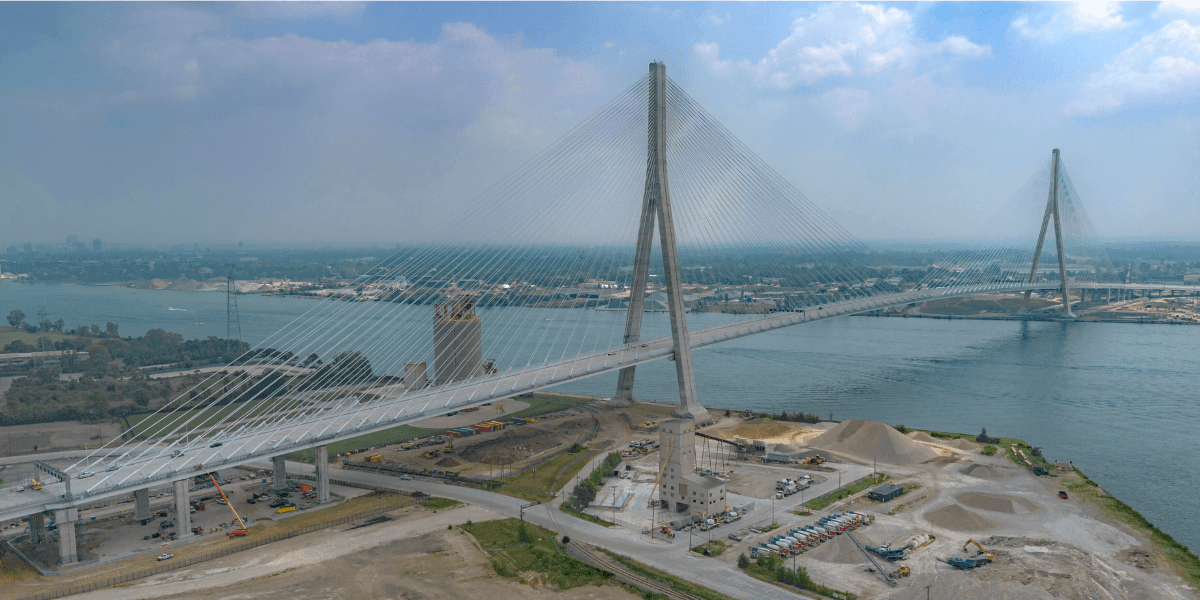
Gordie Howe International Bridge Opens to Traffic
The long-awaited Gordie Howe International Bridge officially opened today, creating a new six-lane crossing between Detroit, Michigan, and Windsor, Ontario. The bridge is expected to ease congestion at one of North America's busiest commercial border crossings and improve the movement of goods between the United States and Canada. Officials from both countries described the project as a major infrastructure achievement years in the making.
The opening comes at a time when U.S.-Canada relations continue to face political and economic challenges. While the bridge is designed to strengthen cross-border commerce and regional supply chains, its debut also highlights the importance of maintaining efficient transportation links amid ongoing policy disagreements. Business leaders and logistics experts say the new crossing should improve freight reliability and support economic growth on both sides of the border.
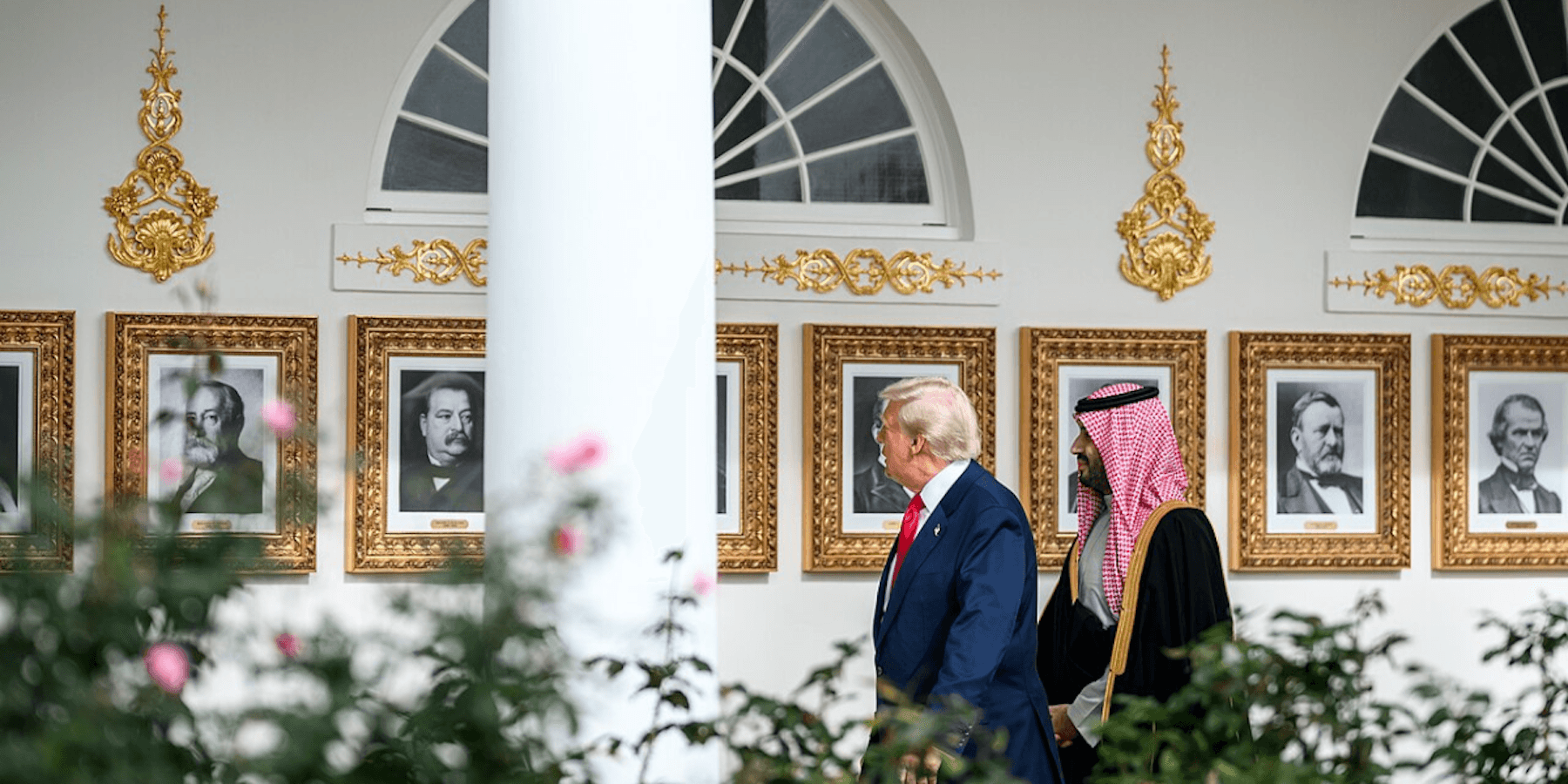
Photo Credit: The White House/Wikimedia
Congress Continues Scrutiny of U.S. Foreign Policy
Lawmakers are maintaining pressure on the administration over several high-profile foreign policy initiatives, including a proposed civilian nuclear cooperation agreement with Saudi Arabia. Democratic members of Congress have called for hearings examining the agreement's nonproliferation safeguards and broader strategic implications, arguing that congressional oversight is necessary before implementation.
The debate comes amid continued attention to U.S. involvement in the Middle East following recent military operations and ongoing regional instability. Members of both parties are expected to continue discussing defense spending, military strategy, and America's long-term role in the region as Congress returns to its legislative agenda.

Photo Credit: Unsplash
Federal Budget and Healthcare Funding Remain Political Flashpoints
Disputes over federal spending continue to shape domestic politics. Recent administration decisions affecting Medicaid funding for certain states remain a point of contention between federal officials and state leaders, with critics arguing the actions could disrupt healthcare services while administration officials cite concerns about oversight and fraud prevention.
Budget negotiations also continue to influence broader discussions about government priorities, with lawmakers balancing defense expenditures, healthcare programs, and domestic spending initiatives. These issues are expected to remain central as Congress works toward future appropriations legislation.

Photo Credit: Unsplash
Economic Markets Watch Policy Developments Closely
Financial markets continue monitoring the effects of trade policy, defense spending, and technology investment. Investors remain focused on inflationary pressures, energy prices, and corporate earnings as policymakers weigh additional economic initiatives. Recent volatility in technology stocks has underscored concerns about rising capital expenditures, particularly in artificial intelligence infrastructure, while broader market sentiment remains sensitive to geopolitical developments.
Economists note that the combination of trade policy, energy markets, and interest rate expectations will likely remain key drivers of market performance throughout the remainder of the summer.
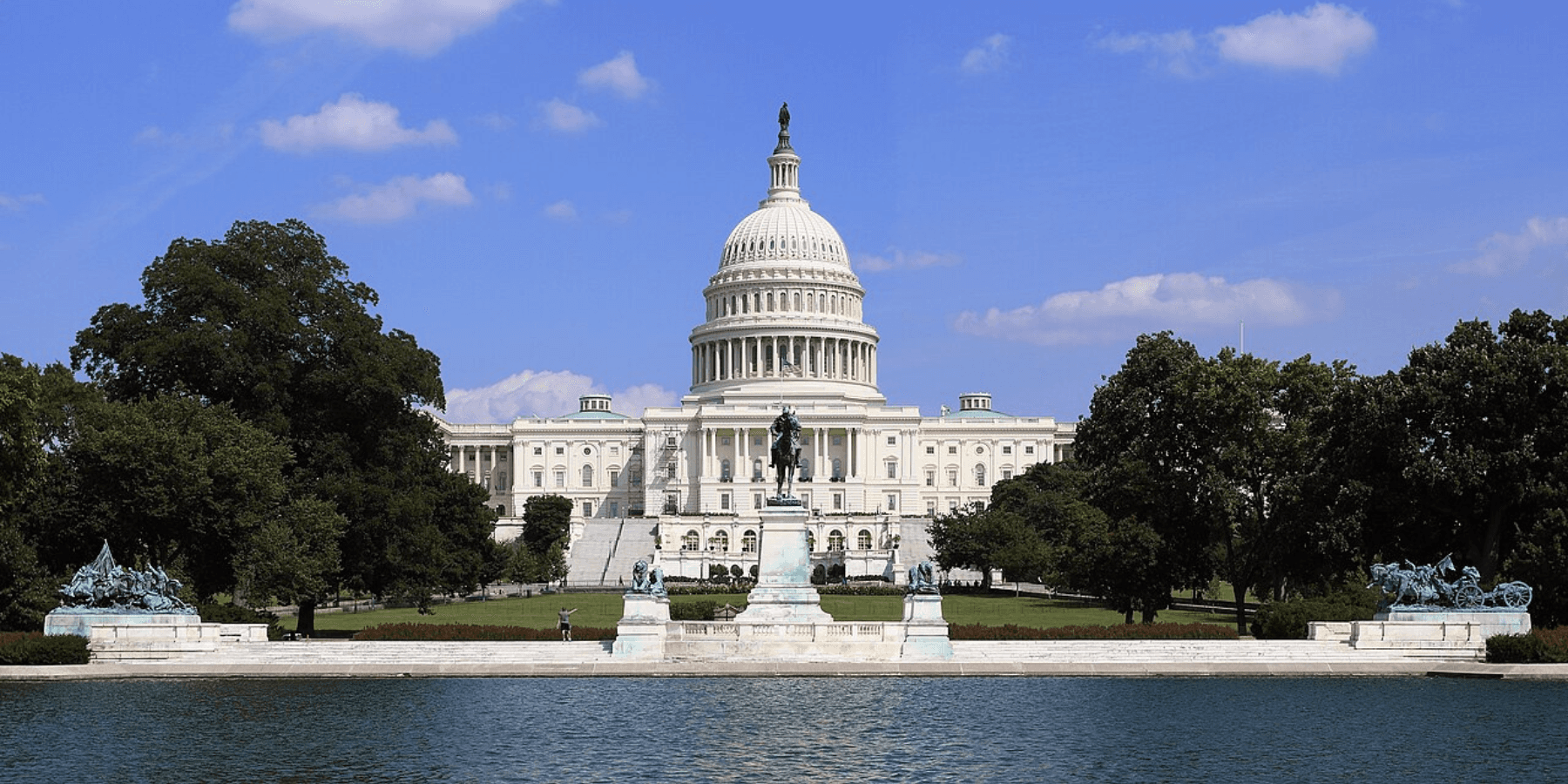
Photo Credit: Martin Falbisoner/Wikimedia (Cropped)
Political Landscape Shifts Toward the Midterm Campaign Season
With campaign activity increasing across the country, both major parties are sharpening their messaging ahead of upcoming elections. National debates continue to focus on immigration, the economy, healthcare, and foreign policy, while party leaders seek to define contrasts on fiscal management and national security.
Political strategists expect legislative actions taken over the coming months—including trade decisions, budget negotiations, and international developments—to play a significant role in shaping voter perceptions as campaigns intensify.
Looking Ahead
Attention this week will remain focused on developments in trade negotiations, congressional oversight of foreign policy, and continuing budget discussions on Capitol Hill. Financial markets will also watch for additional corporate earnings reports and economic data that could influence expectations for growth, inflation, and future policy decisions. Together, these issues are likely to continue defining the national news agenda in the days ahead.