Washington Rolls Out Farm Aid, Defense Bill, and Security Reset as Data‑Center Backlash Grows
In a flurry of major policy moves, the U.S. government on December 8 unveiled a sweeping agricultural relief plan, broke ground on its largest defense‑authorization package ever, and issued a controversial new security doctrine — all against a backdrop of mounting public pressure over surging data‑center growth. As lawmakers, regulators and interest groups scramble to respond, the nation finds itself at a crossroads between competing priorities: supporting struggling farmers, shoring up national defense, rethinking global alliances — and confronting the environmental costs of a booming tech footprint.

Trump Administration Announces $12 Billion Aid for Farmers
The Donald J. Trump administration is set to unveil a $12 billion relief package intended to support U.S. farmers hurt by declining crop prices, tariffs, and economic headwinds. The plan allocates roughly $11 billion toward producers of major row crops — including corn, soybeans, wheat, rice and cotton — while reserving the remaining funds for fruit, vegetable and specialty‑crop growers. Officials said the assistance, drawn from emergency USDA funds, would flow starting in February 2026, giving farmers some certainty ahead of next year’s planting season. While many in the agriculture sector welcomed the commitment, some expressed skepticism about whether long‑term trade and tariff policies will improve enough to justify reliance on government aid alone.
Congress Advances Record‑High $901 Billion Defense Policy Bill
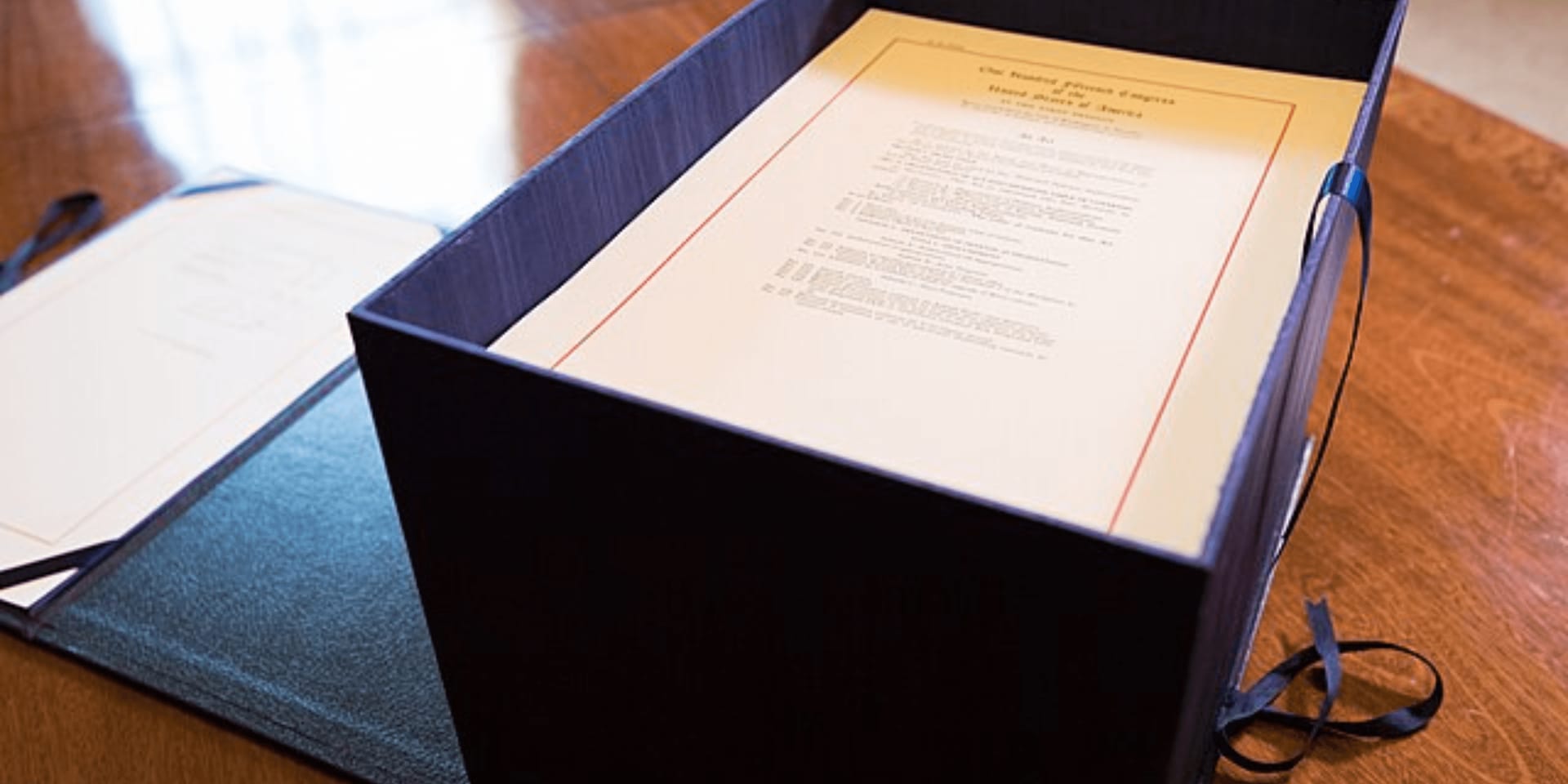
On Capitol Hill, lawmakers unveiled a sweeping National Defense Authorization Act of 2026 (NDAA) that authorizes $901 billion in national‑security spending — the largest such bill in U.S. history and exceeding the president’s own request by nearly $9 billion. The legislation includes a 4 percent pay raise for enlisted troops and allocates $400 million in military aid to Ukraine. At the same time, it omits certain priorities such as expanded housing construction for military families. Supporters argue the bill is a cornerstone of the administration’s agenda to safeguard national sovereignty, bolster the defense industrial base, and address immigration and border security. Though the bill authorizes these programs, actual funding still depends on forthcoming appropriations legislation — meaning many of its provisions remain contingent on future fiscal decisions.
Supreme Court Poised to Expand Presidential Control Over Independent Agencies
The Supreme Court of the United States appears poised to broadly expand presidential authority over federal regulatory agencies, potentially overturning a 90‑year‑old precedent requiring “cause” for removal of agency board members. The case at issue stems from the firing of a member of the Federal Trade Commission (FTC) — a move that lower courts had blocked under longstanding law dating to the 1935 decision in Humphrey’s Executor v. United States. If the Court affirms the administration’s position, the decision could weaken the independence of many federal regulatory bodies, shifting considerable power over governance and regulation into the executive branch — a change that would reshape oversight over industries ranging from finance to environmental protection.
White House’s New Security Strategy Provokes Backlash from European Allies
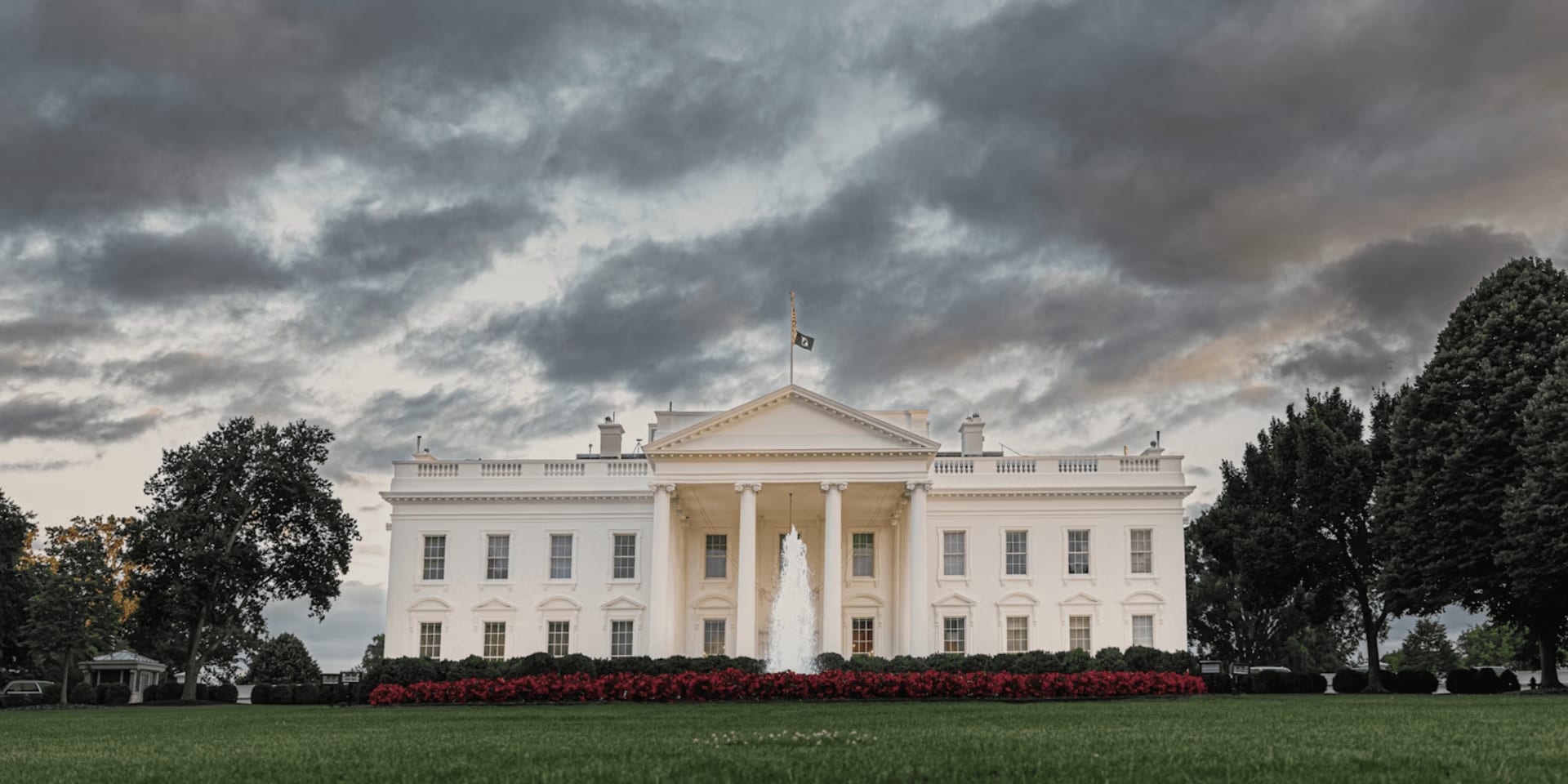
On December 5, the administration released a revised 2025 United States National Security Strategy (NSS), marking a sharp turn in U.S. foreign policy that some European leaders describe as confrontational and anti‑globalist. The strategy rejects the U.S. role as global “guardian,” recasting alliances and treaties as secondary to national sovereignty, and calling for a reorientation of U.S. military focus toward the Western Hemisphere. It also frames mass migration, globalization and previous alliance structures as threats. European officials, gathering in London alongside Ukrainian and other leaders, have responded with concern, warning that the document threatens transatlantic cooperation and undermines trust built through decades of partnership. Observers warn the NSS could deepen geopolitical rifts at a moment when global coordination is often deemed critical.

Environmental Coalition Demands Moratorium on U.S. Data‑Center Expansion
A coalition of more than 230 environmental organizations, including highly visible groups such as Greenpeace and Friends of the Earth, has called on Congress to impose an immediate moratorium on new data‑center construction in the United States. The groups argue that rapid expansion in data centers — driven by increasing demand for artificial intelligence, cloud computing, and crypto mining — is contributing significantly to rising carbon emissions, excessive water and energy consumption, and soaring electricity bills. Their warning comes as local communities nationwide have already seen more than $60 billion worth of planned projects stalled or canceled due to environmental and economic concerns. For many voters, the issue is not abstract climate science but immediate financial impact: electricity prices have reportedly risen 13 percent under the current administration, fueling grassroots opposition across party lines.
Looking Ahead
In the days ahead, attention will turn to how quickly the promised $12 billion in farm relief reaches U.S. growers — and whether it alleviates economic stress or simply delays structural strain on agriculture. Congress and the White House must also negotiate appropriations to fund the newly authorized defense bill, a process likely to reignite debate over border security, military spending priorities, and international aid. The Supreme Court’s impending decision on agency removals could fundamentally reshape regulatory oversight for decades. Meanwhile, mounting pressure from environmental groups may force policymakers to confront the environmental costs of America’s AI‑driven infrastructure expansion. On the global stage, fallout from the new national security strategy will test the durability of U.S. alliances and define America’s role on the world stage for years to come.