
Washington Tightens, Courts Shift — U.S. at a Governance Crossroads
The nation awoke to a flurry of consequential political and economic developments — from the Supreme Court signaling a dramatic shift in executive authority to a new $12 billion relief package for farmers. As lawmakers and regulators realign, Washington is sending ripples through agency oversight, campaign finance, and rural America.
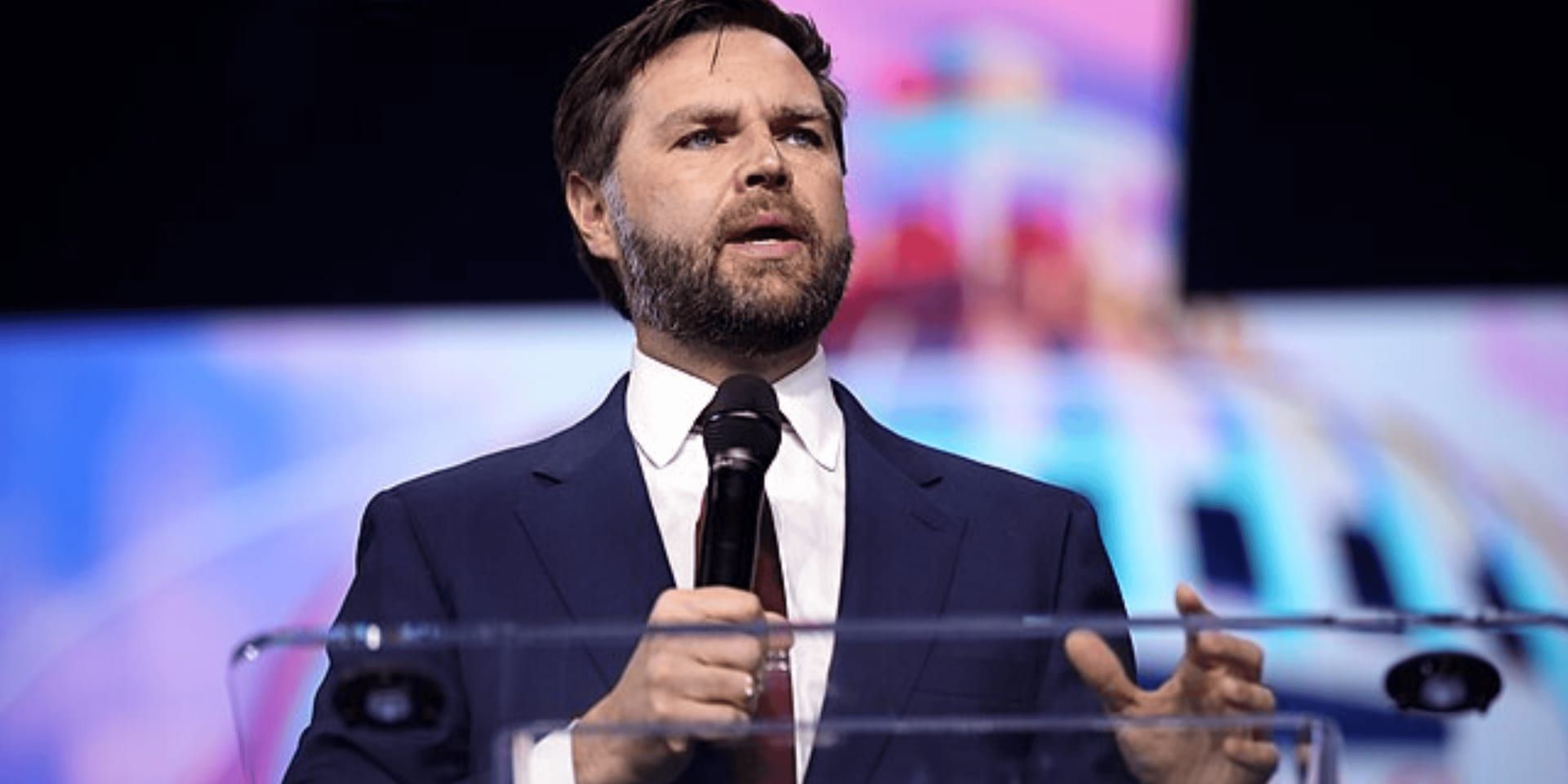
Supreme Court Weighs Major Limits on Campaign‑Finance Restrictions
The United States Supreme Court began hearing a challenge from Republicans — including J.D. Vance — that seeks to overturn long‑standing federal limits on coordinated campaign spending by political parties. Plaintiffs argue these caps violate free‑speech protections under the First Amendment. A lower court had upheld the restrictions under precedent, but the challengers point to later Supreme Court rulings that loosened campaign‑finance regulations. A ruling for the plaintiffs could dramatically reshape how parties raise and spend money during elections. Should the Court side with Vance and allies, it could unleash a surge of coordinated election spending, potentially reshaping the political landscape ahead of the 2026 midterms and weakening safeguards designed to curb corruption and undue influence.
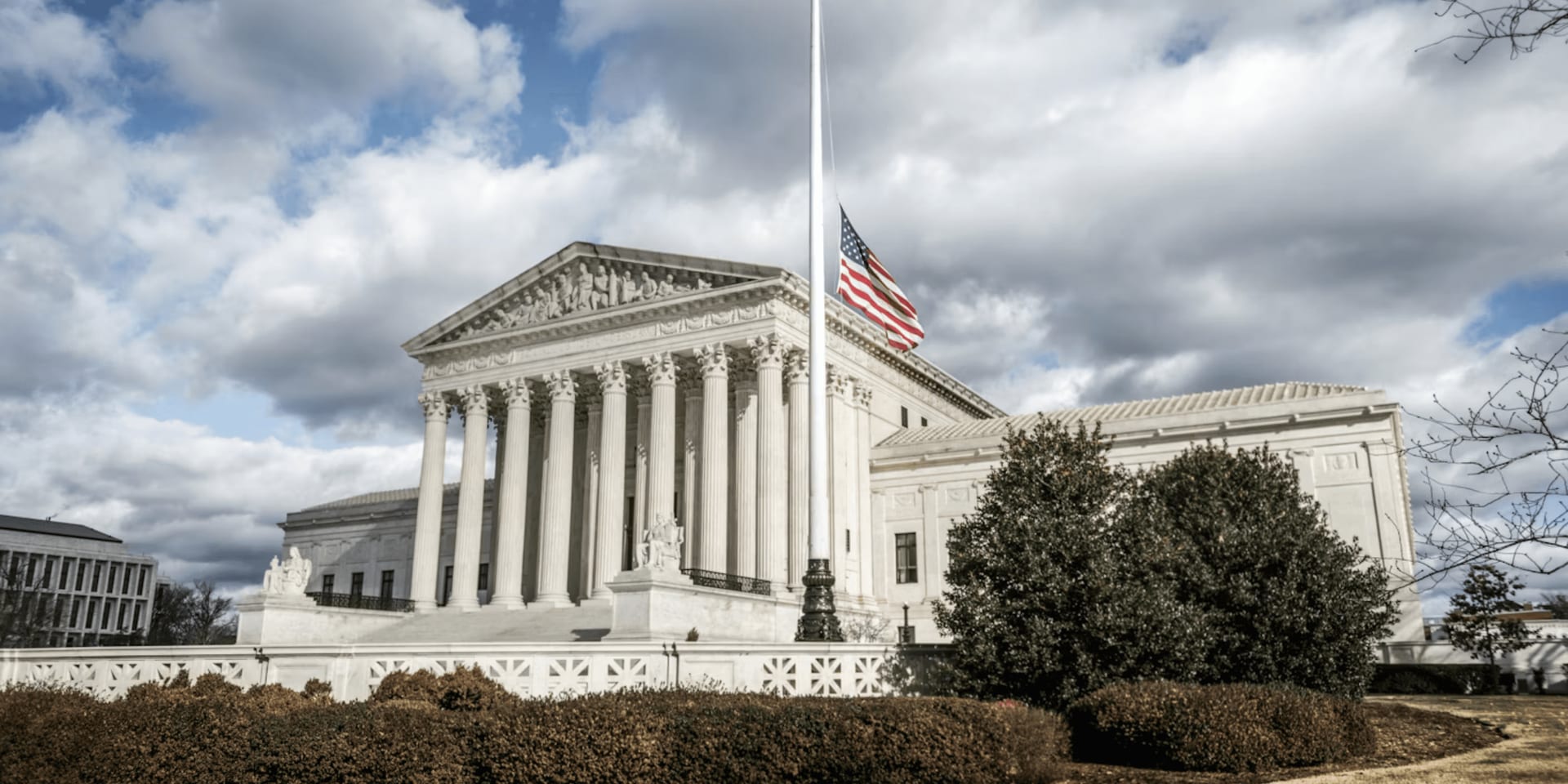
Supreme Court Signals Broader Expansion of Presidential Removal Powers
In another legal showdown, the Supreme Court appears poised to endorse the Trump administration’s view that the president may fire leaders of independent federal agencies at will. The case stems from the 2025 dismissal of Federal Trade Commission (FTC) commissioner Rebecca Slaughter — a move that challenges a nearly 90‑year-old precedent meant to protect agency independence. Conservative justices seemed inclined to side with the administration, raising the prospect of upending long‑standing norms that have ensured some degree of insulation from partisan pressure at agencies like the FTC or even the Federal Reserve. If the Court formally expands executive authority over independent agencies, it could mark one of the most significant shifts in the structure of the U.S. government in decades — reshaping how policies are regulated and how agencies operate across everything from commerce to financial oversight.

$12 Billion Farm Aid Package — Support and Frustration in Rural America
To address economic strain among agricultural producers, the administration unveiled a $12 billion assistance package for U.S. farmers. The move responds to widespread concern that previous tariffs and trade tensions — especially involving China — have driven up input costs and squeezed margins for many growers. At a White House roundtable, the administration emphasized support for the sector, pledging to help offset financial pressures in time for planting and next season’s harvest. Although the aid will provide short‑term relief for many farmers, critics argue that it does little to address the longer‑term structural challenges facing agriculture — from volatile global demand to rising production costs — leaving some producers unconvinced that this is a lasting solution.
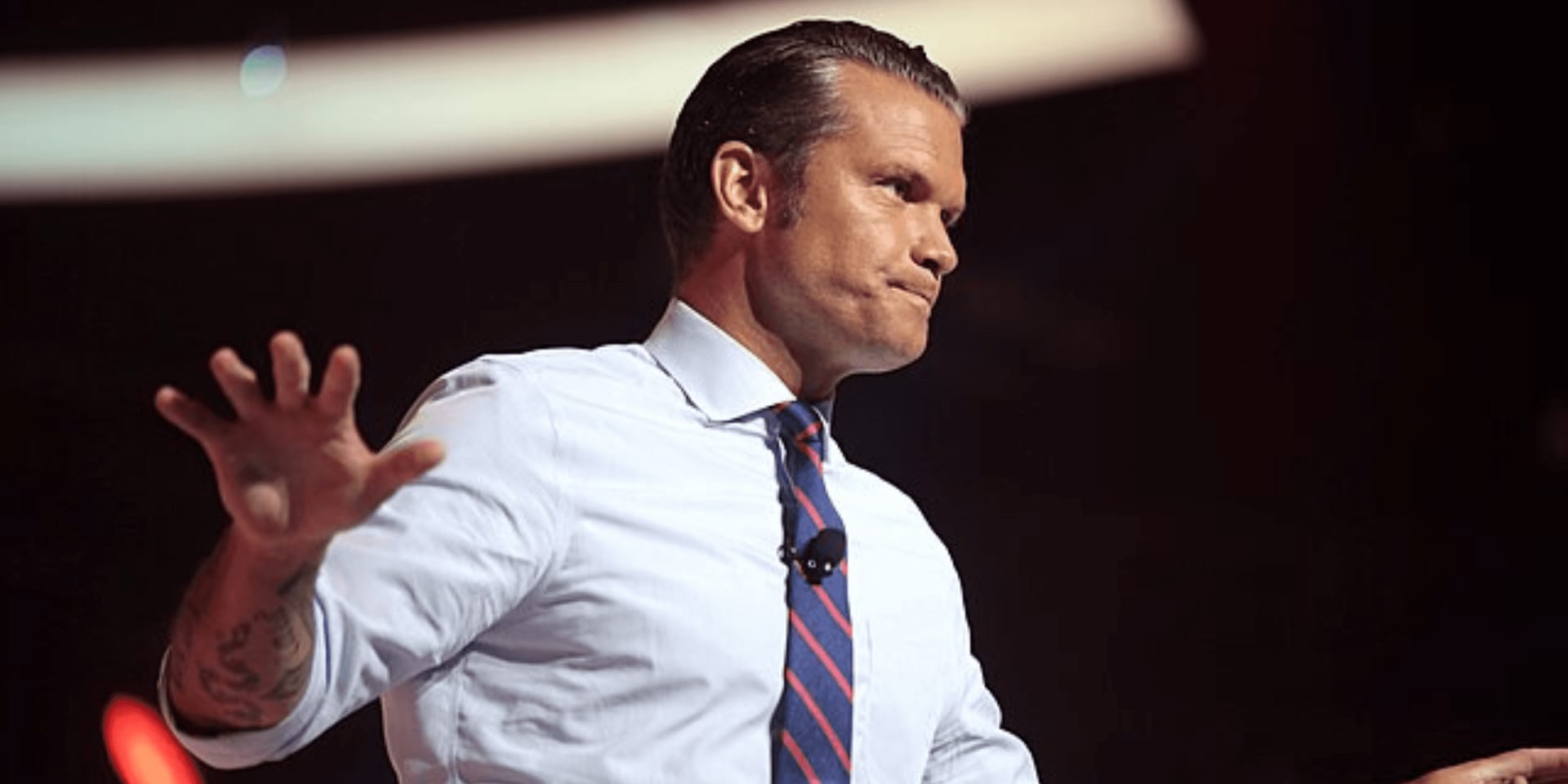
National Security Officials to Brief Top Congressional Leaders Amid Controversial Strike Campaign
The administration’s renewed military campaign against suspected drug‑trafficking operations in the Caribbean and Pacific has sparked a fresh wave of scrutiny. Senior national security figures — including Pete Hegseth (Defense Secretary), Dan Caine (Chairman of the Joint Chiefs), and Marco Rubio (Secretary of State) — are slated to brief the bipartisan “Gang of Eight” congressional leadership on classified matters tied to the strikes. The action comes after allegations surfaced that a second strike targeted survivors of an earlier attack — raising serious legal and ethical concerns. The unexpected retirement of Alvin Holsey, outgoing commander of U.S. Southern Command, further intensifies speculation about internal rifts over the campaign’s direction. The briefings could reshape Congressional oversight and influence — potentially forcing a reassessment of the administration’s drug‑war strategy.

Economic Outlook: Optimism Tempered by Inequality as 2025 Winds Down
Scott Bessent, Secretary of the Treasury, projected that the U.S. will finish 2025 with roughly 3 percent real GDP growth — a sign that, despite turbulence, the economy remains resilient. The administration plans a nationwide economic tour to highlight this performance ahead of the 2026 midterms. Among the policies promoted are deregulation, energy and AI investment, and support for manufacturing and labor. Still, underlying concerns linger: recent data suggest wage gains have been stronger for higher‑income households, while lower‑income Americans remain squeezed by rising costs. That disparity could undercut economic optimism and leave many citizens unconvinced that aggregate growth translates into broad‑based prosperity.
Looking Ahead
In the coming days, all eyes will be on the Supreme Court, which may issue rulings reshaping presidential power and campaign‑finance law — decisions that could resonate through the 2026 midterms and beyond. At the same time, congressional oversight of military operations and further economic data releases will test whether policy promises translate into tangible outcomes, especially for rural Americans and lower‑income households. As Washington continues to recalibrate institutional power, societal trust may hinge on whether these shifts deliver stability or deepen divisions.