
Washington Under Pressure as Security, Immigration, and Foreign Policy Dominate the National Agenda
The nation's attention on Friday, July 10, centered on a mix of domestic political developments and international tensions. Questions surrounding immigration enforcement, election administration, and Middle East policy unfolded alongside significant legal and public safety stories, reflecting a day in which both Washington and events abroad carried broad national implications.
Trump Removes Members of Federal Election Commission
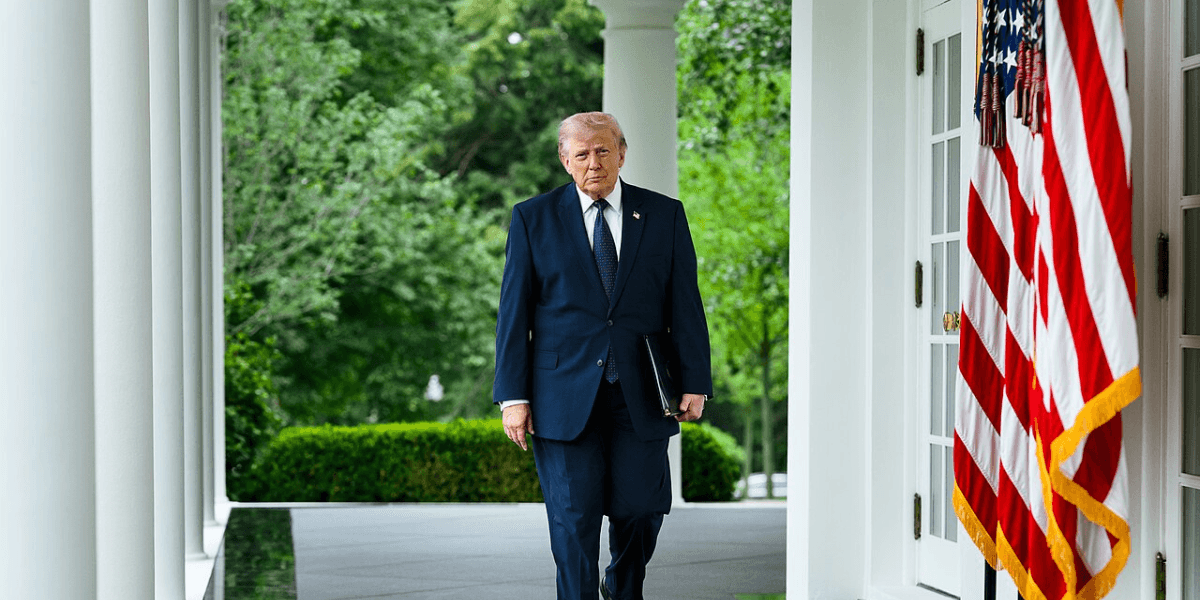
President Donald Trump removed members of the bipartisan Federal Election Commission, a move that immediately sparked legal and political debate over the independence of the agency responsible for enforcing federal campaign finance laws. Supporters of the administration argued the president was acting within executive authority, while critics questioned the implications for election oversight ahead of future federal contests.
The action is expected to generate court challenges and congressional scrutiny as lawmakers examine the balance between presidential authority and the independence of regulatory commissions.

Photo Credit: Carol M. Highsmith Archive/Wikimedia
Fatal Houston ICE Shooting Faces Intensifying Scrutiny
Federal immigration enforcement remained under intense examination after new reporting raised questions about the fatal shooting of a man during an ICE operation in Houston. Detainees reportedly disputed the government's account of the incident, while officials acknowledged that agents involved were not wearing body cameras at the time of the shooting.
Civil rights advocates, local officials, and members of Congress called for greater transparency as investigations continue. The incident has become part of a broader national debate over immigration enforcement practices, accountability, and use-of-force policies.
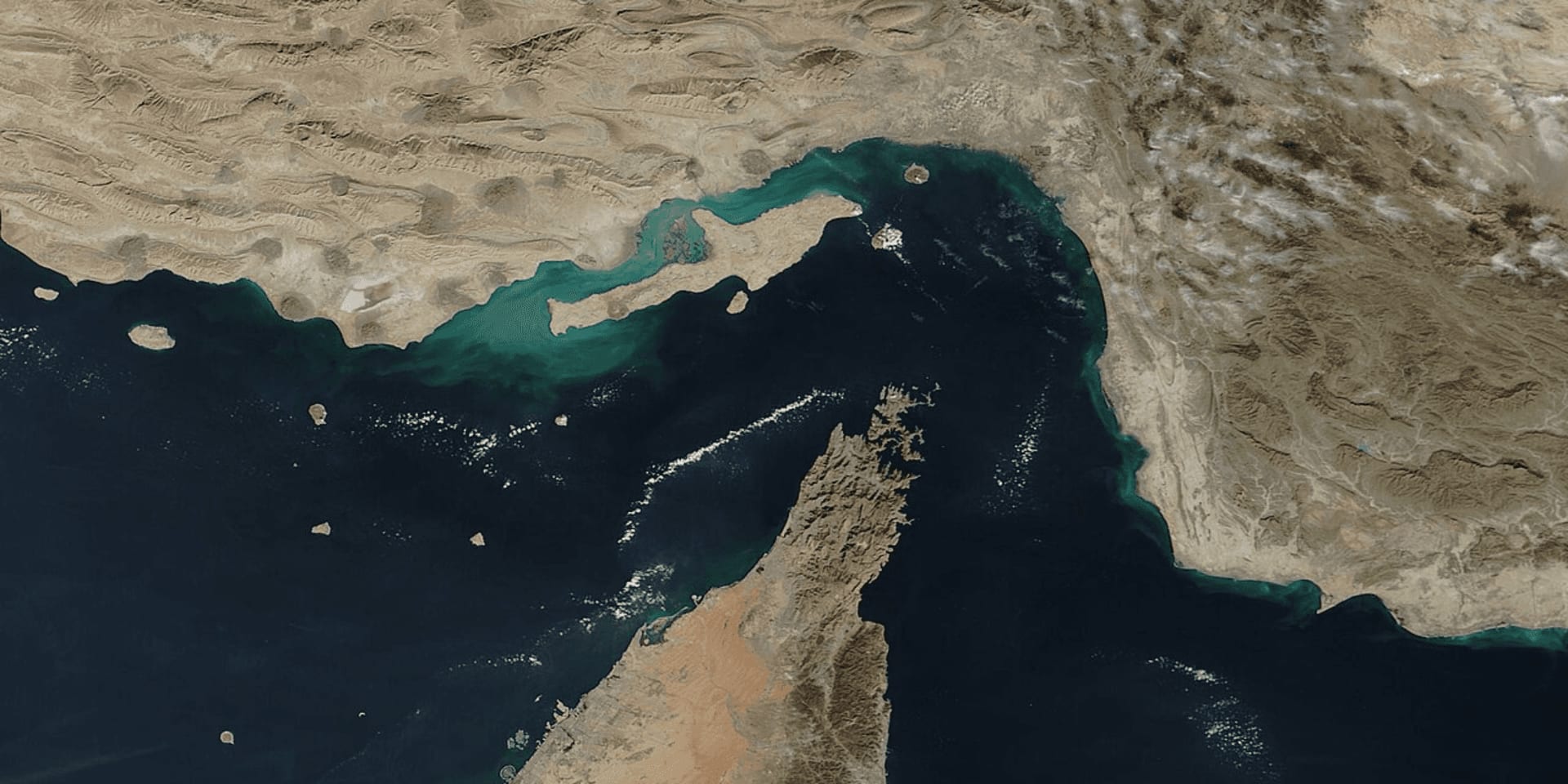
Photo Credit: MODIS Land Rapid Response Team, NASA GSFC/Wikimedia
Middle East Tensions Continue to Shape U.S. Foreign Policy
International developments remained a dominant issue as the United States continued managing heightened tensions with Iran. U.S. officials sought assurances regarding the security of shipping through the Strait of Hormuz while diplomatic efforts continued following renewed military exchanges earlier in the week. President Trump emphasized that negotiations toward a more permanent resolution would continue despite ongoing instability.
Energy markets and national security officials continued monitoring the region closely, recognizing that any disruption to maritime trade could affect global oil supplies and broader economic conditions.

Photo Credit: Gage Skidmore/Wikimedia (Cropped)
Charlie Kirk Assassination Case Advances in Court
Court proceedings continued in the prosecution stemming from the assassination of conservative activist Charlie Kirk. Friday's hearings focused heavily on evidence presented by prosecutors as testimony concluded during an important stage of the case.
The highly watched trial has attracted national attention because of its political significance and the broader conversations it has prompted regarding political violence, public safety, and security for public figures.
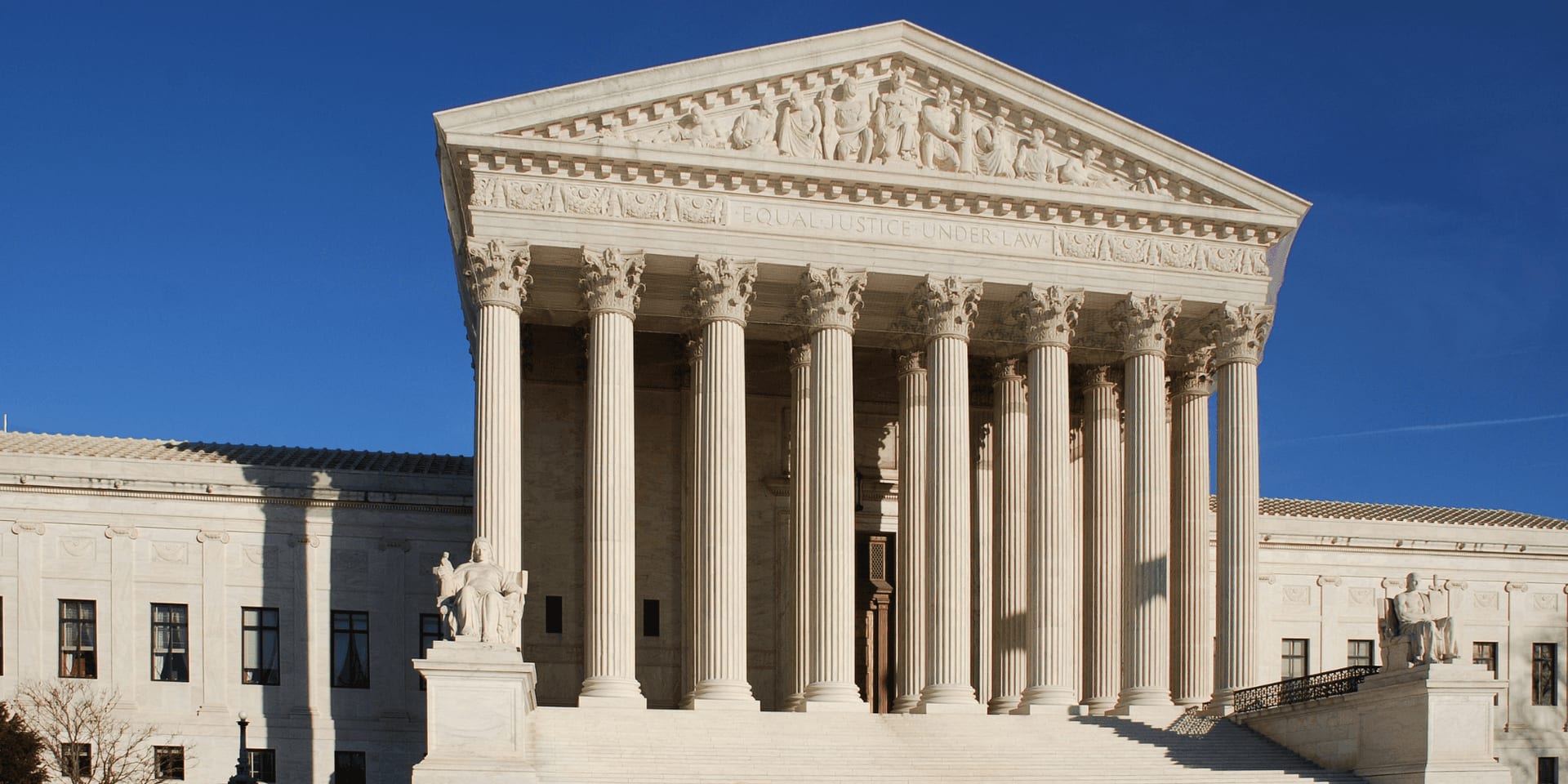
Photo Credit: Jarek Tuszyński/Wikimedia (Cropped)
Legal and Policy Battles Continue Over Immigration and Civil Rights
Additional legal developments underscored ongoing national policy disputes. The Department of Justice pursued new immigration-related litigation against the state of Maryland, alleging interference with federal deportation efforts, while another closely watched legal challenge ended after transgender student-athletes voluntarily dismissed their lawsuit following a recent Supreme Court ruling that altered the legal landscape governing participation in school sports.
Together, these cases reflected the continuing role of federal courts in resolving major disputes over immigration authority, civil rights, and executive policy.
Looking Ahead
Attention now shifts to several developing stories expected to shape the coming week. Investigations into the Houston ICE shooting are likely to continue, while legal challenges related to election administration and immigration policy may quickly move through the courts. Internationally, policymakers will closely monitor negotiations involving Iran and the security of shipping in the Strait of Hormuz, with potential implications for energy markets and U.S. foreign policy. As these stories evolve, they are expected to remain at the center of the national conversation.