
Washington Weighs War Abroad as Politics and Policy Shift at Home
The United States entered the middle of July confronting consequential developments on multiple fronts. Foreign policy dominated headlines as the Trump administration escalated military pressure on Iran, while lawmakers, federal agencies, and the courts continued to shape domestic policy on immigration, higher education, and the economy. Together, the day's events reflected an administration balancing international security concerns with a wide-ranging domestic agenda.

White House Expands Pressure Campaign Against Iran
The most significant national story remained the rapidly escalating confrontation between the United States and Iran. President Donald Trump announced that the United States was reinstating a naval blockade of Iranian ports following additional U.S. strikes targeting Iranian coastal defense systems, missile sites, and maritime capabilities. The administration also formally notified Congress of continued military operations under existing presidential war powers.
The developments marked another sharp escalation after weeks of deteriorating relations and renewed fighting in the Persian Gulf. Military officials stated that the latest operations were intended to reduce Iran's ability to threaten international shipping, while critics in Congress continued debating the scope of presidential authority over sustained military action without a new authorization.
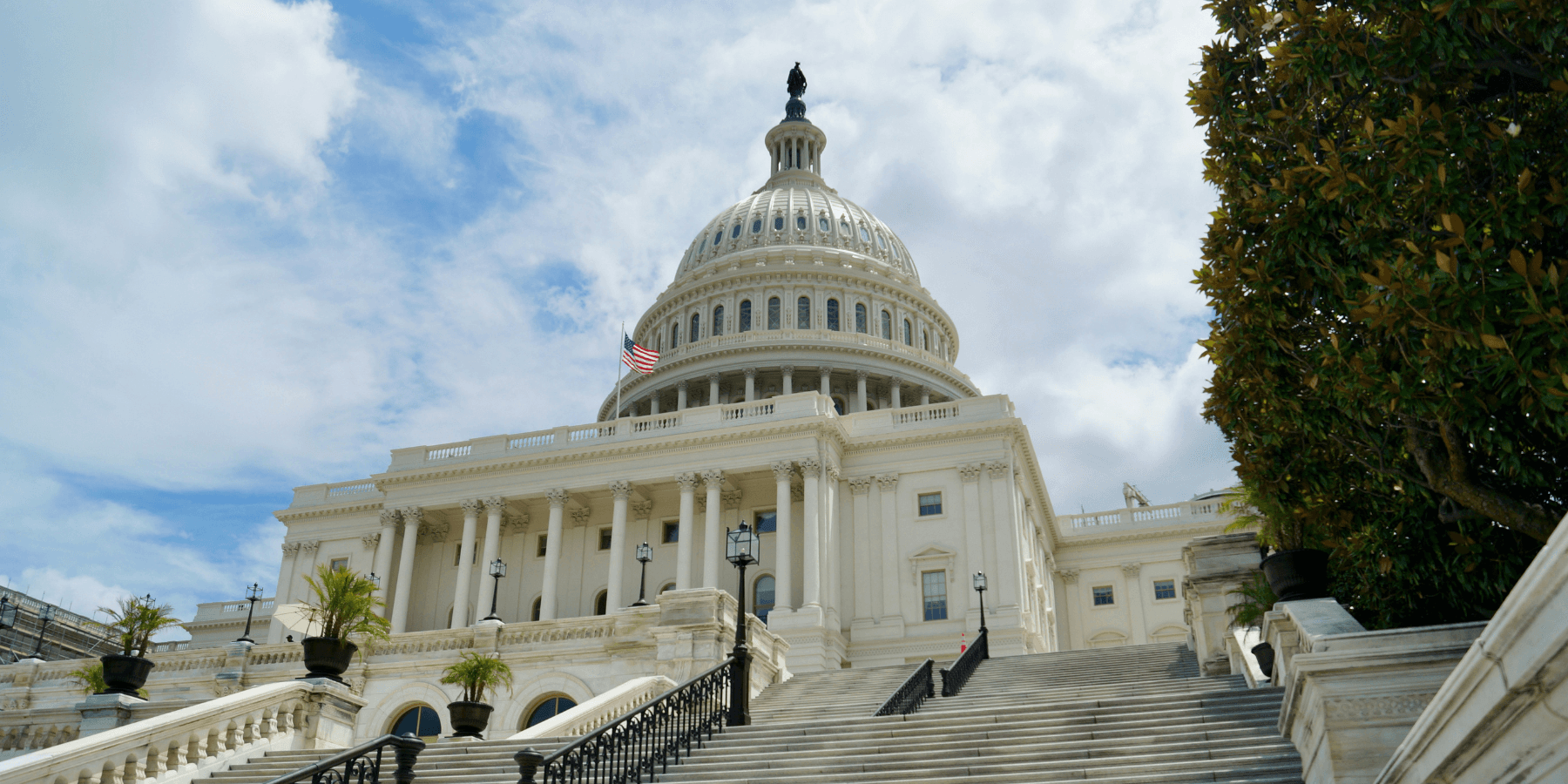
Photo Credit: Samuel Schroth/Unsplash
Congress Faces Renewed Debate Over War Powers
As military operations expanded, members of both parties renewed calls for congressional oversight of U.S. involvement in Iran. Several lawmakers argued that extended combat operations should require explicit congressional authorization, while administration officials maintained that existing legal authorities remain sufficient for current operations.
The debate underscored a broader constitutional question that has resurfaced repeatedly during modern military conflicts: how much authority the executive branch possesses to conduct prolonged overseas operations without additional approval from Congress. The issue is expected to remain a central topic on Capitol Hill in the coming days.

Photo Credit: Satyriconi/Wikimedia (Cropped)
Justice Department Continues Scrutiny of University Admissions
Domestically, the Department of Justice continued its campaign examining diversity-related admissions practices at American universities. Federal officials stated that UCLA's medical school admissions policies unlawfully favored certain racial groups, adding to a broader series of investigations into higher education institutions.
The administration has argued that admissions decisions should adhere strictly to race-neutral standards following recent Supreme Court precedent. University officials have defended their admissions processes, setting the stage for potential legal challenges that could further define the boundaries of affirmative action and equal protection law in higher education.
Photo Credit: Nathan Sack/Unsplash
Economic Outlook Remains in Focus Following Weak Labor Data
Attention also remained on the economy after recent employment figures showed slower-than-expected job growth, raising new questions about the pace of economic expansion. Economists continued assessing whether softer hiring reflected temporary uncertainty or a broader slowdown in business investment and consumer demand.
Federal policymakers are closely monitoring labor market conditions alongside inflation trends, as both factors could influence future monetary policy decisions. Businesses and investors alike are watching upcoming economic indicators for signs of whether recent weakness proves temporary or develops into a longer-term trend.
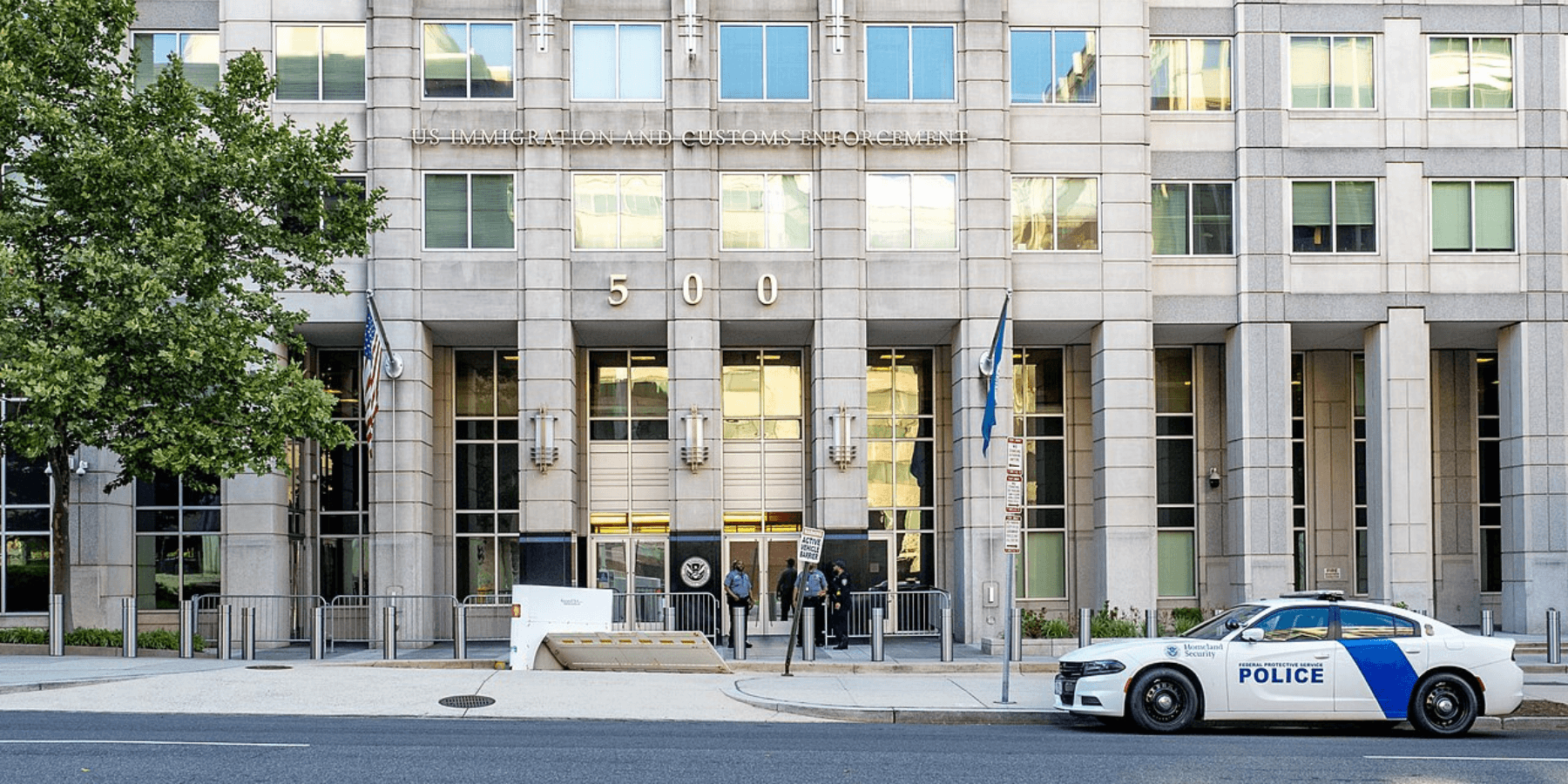
Photo Credit: ajay_suresh/Wikimedia (Cropped)
Immigration and Federal Enforcement Stay at the Center of Domestic Policy
Immigration enforcement continued to generate national attention as the administration maintained its emphasis on expanded enforcement operations. Recent federal actions, including increased Immigration and Customs Enforcement activity and continued implementation of immigration policy changes, remained a focal point of political debate.
Supporters argue the measures strengthen border security and enforcement of existing immigration laws, while opponents continue raising concerns about due process, humanitarian impacts, and the effects on immigrant communities. Immigration policy is expected to remain among the most closely watched domestic issues heading into the second half of the year.
Looking Ahead
The coming days are likely to be defined by developments overseas as policymakers monitor whether the confrontation with Iran expands further or diplomatic efforts resume. At home, Congress is expected to continue debating executive authority over military operations while federal agencies press ahead with major initiatives affecting higher education, immigration, and the broader economy. Investors, lawmakers, and the public will also watch upcoming economic data for additional insight into the nation's financial outlook.