
Markets, Middle East, and Washington Collide
The final days of July brought another consequential news cycle as economic uncertainty, foreign policy tensions, and political battles in Washington unfolded simultaneously. Financial markets reacted to fresh inflation concerns and corporate earnings, while lawmakers debated the administration's handling of military operations abroad and several major domestic policy decisions continued to draw national attention.

Markets Rebound as Investors Weigh Fed Policy and Earnings
Wall Street recovered from the previous session's sharp losses after stock futures pointed higher on Thursday morning. Investors continued digesting the Federal Reserve's decision to leave interest rates unchanged while maintaining a cautious stance on inflation, signaling that policymakers remain reluctant to declare victory over price pressures.
Attention also shifted to June's Personal Consumption Expenditures (PCE) inflation report, the Fed's preferred inflation gauge, which economists expected to show further moderation. Meanwhile, corporate earnings remained a major market driver. Microsoft posted strong results that boosted investor confidence, while Meta shares fell sharply following disappointing earnings. Apple and Amazon prepared to report later in the day, with investors closely watching updates on artificial intelligence spending and future growth strategies.
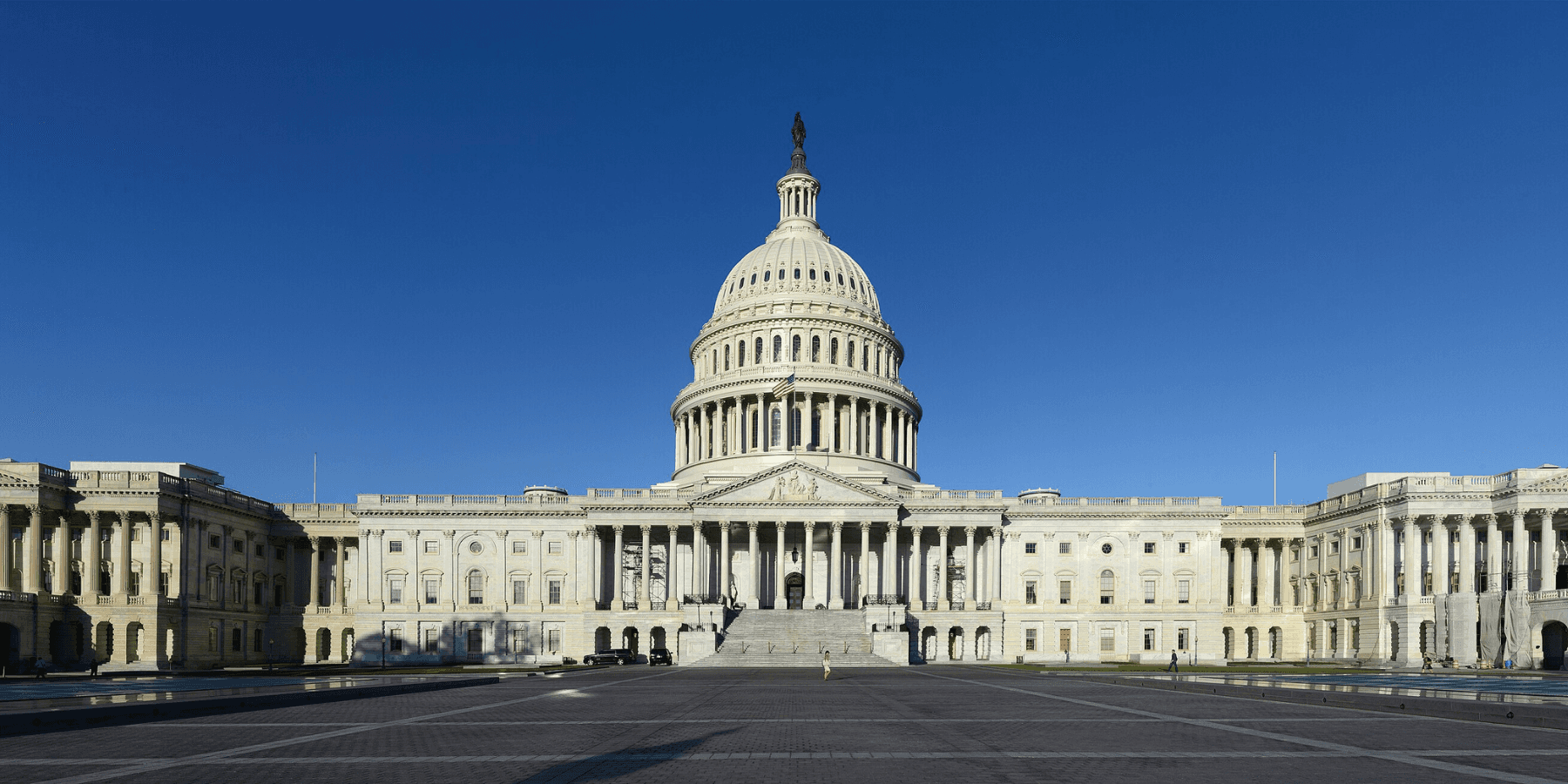
Photo Credit: Alvesgaspar/Wikimedia (Cropped)
Iran Conflict Continues to Dominate Washington Debate
Military tensions involving the United States and Iran remained one of the nation's most significant foreign policy concerns. Continued hostilities and uncertainty surrounding the conflict contributed to higher oil prices and broader market volatility, reinforcing concerns that geopolitical instability could complicate the Federal Reserve's fight against inflation.
On Capitol Hill, the Senate narrowly rejected a bipartisan war powers resolution that sought to limit President Donald Trump's authority over ongoing military operations against Iran. Although several Republicans joined Democrats in supporting the measure, it failed by a single vote, illustrating growing bipartisan concern over the duration and scope of U.S. involvement while leaving executive authority unchanged.
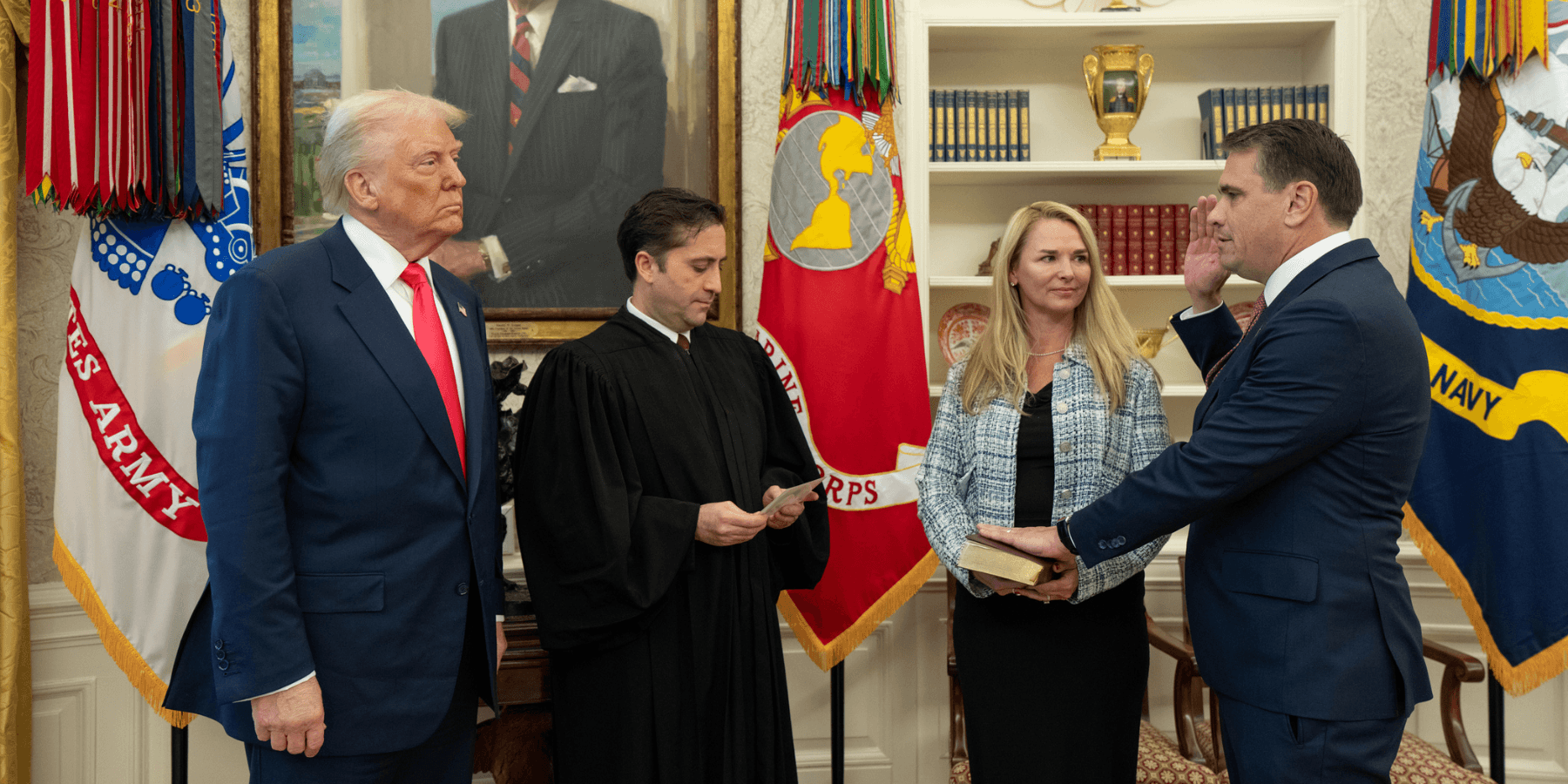
Photo Credit: The White House/Wikimedia (Cropped)
Administration Faces Domestic Political Battles
The Trump administration encountered several significant political challenges throughout the day. President Trump indicated he may temporarily withdraw the nomination of Todd Blanche for attorney general after Republican senators continued expressing concerns over unrelated fiscal and oversight issues that have complicated the confirmation process.
Separately, a federal court blocked the administration's effort to expand mandatory immigration detention policies, representing another legal setback in the administration's immigration agenda. At the same time, federal officials announced that Immigration and Customs Enforcement officers nationwide would begin wearing body cameras following a deadly enforcement incident that intensified calls for greater transparency and accountability.

Photo Credit: David Trinks/Unsplash
Health Care Policy Shifts Raise Cost Concerns
Health care policy also remained in focus after the administration moved forward with ending a Medicare prescription drug subsidy program established during the previous administration. Analysts warned that the policy change could result in higher out-of-pocket prescription costs for many seniors beginning in 2027, making the issue a likely point of debate heading into the 2026 midterm elections.
The decision comes as many Americans continue facing elevated borrowing costs and persistent inflation. Although inflation has eased from its peak, policymakers remain concerned that energy prices and global instability could slow further progress toward the Federal Reserve's long-term target.

Photo Credit: Venti Views/Unsplash
Trade Policy and Economic Uncertainty Continue
The administration's broader economic agenda remained under close scrutiny as businesses continued adjusting to recently implemented tariff policies affecting dozens of U.S. trading partners. The measures, introduced after earlier Supreme Court rulings altered the administration's previous tariff framework, have become a central component of the White House's trade strategy while drawing criticism from several international partners.
Economists noted that uncertainty surrounding tariffs, inflation, international conflict, and interest rates continues to influence corporate investment decisions and financial markets. Investors remain focused on whether upcoming economic data will support expectations for eventual Federal Reserve rate cuts later in the year.
Looking Ahead
Attention now turns to the release of key inflation data, additional corporate earnings from several of the nation's largest technology companies, and continued developments surrounding the administration's foreign policy toward Iran. Congress is also expected to continue debating oversight of military operations and several major domestic policy initiatives as lawmakers prepare for a busy August legislative calendar.