
What Aligned Leaders Do Differently During Growth
Aligned leaders protect execution during growth by strengthening structure before strain disrupts performance, consistency, and long term scalability.
The pressure rarely announces itself. Projects continue, meetings stay full, and decisions move forward. On the surface, everything appears stable. Yet beneath that momentum, something begins to shift. Execution, once consistent and dependable, starts to lose its rhythm. Structure absorbs the work so leadership can provide direction. When that balance breaks, execution becomes dependent and that shift is already in motion. This is the moment many leaders miss, the early signal that growth is testing the limits of their organization’s structure.
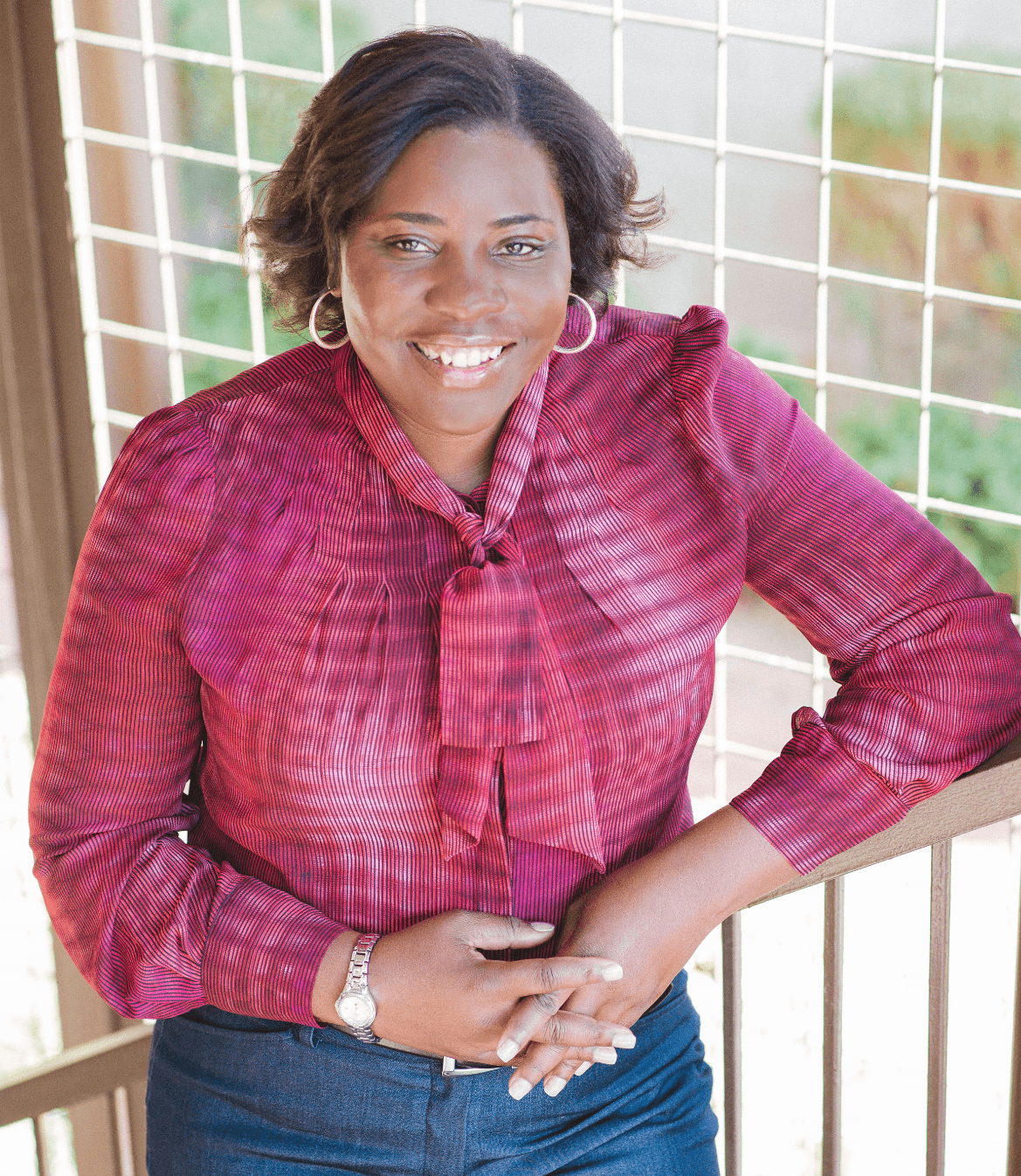
For Cerila Gailliard, PMP, CSM, Founder of Orchestrating Your Success (OYS) and international bestselling author, this pattern is both familiar and preventable. “Leadership must protect the organization’s ability to execute,” she explains. That protection, however, does not disappear overnight. It erodes quietly, often while leaders believe progress is still on track. By the time the impact becomes visible in missed timelines or declining performance, the cost is already compounding and significantly harder to reverse.
Growth Reveals What Structure Cannot Carry
Growth exposes what the organization is not built to carry. As demand increases, so does the complexity of decisions and the volume of work moving through the system. Without a structure that evolves alongside that growth, strain becomes inevitable. This is not a future risk. It is already happening as growth increases.
At first, the signs are subtle. Work continues, but coordination becomes heavier. Decisions still happen, but require more time and involvement. Leaders may interpret this as a natural phase of expansion. In reality, it is an early indication that the system is no longer absorbing the workload efficiently.
This shift compounds quickly, and most organizations underestimate how fast it accelerates. What begins as minor friction can escalate into widespread inefficiency. Over time, the organization slows in ways that are difficult to reverse, not because of poor strategy, but because the structure cannot support the pace of growth.
When Leadership Becomes the System
Structure exists to carry execution so leaders can remain focused on direction. When that structure weakens, execution does not stop. It becomes dependent.
Leaders find themselves pulled into decisions that should resolve within teams. Employees begin to wait for input instead of acting with clarity. What appears to be increased leadership involvement is often a response to deeper structural gaps. And once that pattern begins, it does not stabilize, it expands.
At this stage, leadership is no longer guiding the work. It is carrying it. Gailliard describes this clearly: “Structure absorbs the work so leadership can stay focused on direction. When that balance breaks, execution becomes dependent instead of consistent.”
While this approach may stabilize operations temporarily, it introduces a more dangerous dynamic. Dependency begins to build. Decisions slow because they require escalation, and progress becomes tied to leadership availability. This is not sustainable, and more importantly, it does not scale.
The Cost of Delayed Structural Alignment
One of the most critical mistakes organizations make is waiting until execution visibly breaks before addressing structure. By then, the cost is already embedded in missed opportunities, delayed outcomes, and reduced efficiency—and recovering from it requires significantly more effort.
Aligned leaders take a different approach. They recognize that growth places increasing demand on systems long before failure occurs. Instead of reacting to breakdowns, they anticipate them. They ensure that ownership is clearly defined, preventing work from stalling between teams. They establish decision paths that allow issues to resolve without unnecessary escalation.
Effort alone cannot sustain execution at scale. Leaders who rely on working harder eventually encounter limits. Those who invest in structure create consistency that supports long term growth.
Building Structure That Sustains Execution
The strength of an organization’s structure determines whether growth can be maintained. When structure holds, execution flows. Work moves predictably, and decisions are resolved within the system itself. Leadership remains focused on direction, strategy, and future opportunities.
When structure fails, leadership becomes the system. This shift places increasing pressure on leaders and introduces inefficiencies across the organization. Execution begins to strain, even if the overall strategy remains sound.
Gailliard emphasizes that growth does not fail because of flawed vision. It strains when the organization is not designed to carry what growth demands. This distinction is critical for leaders who want to scale without compromising performance.

The Leadership Shift That Changes Everything
The most important question leaders must ask is not whether work is getting done. It is whether the structure is carrying that work effectively.
If leadership is consistently stepping in to resolve issues, make decisions, or push progress forward, it signals a deeper problem. And the longer that pattern continues, the harder it becomes to reverse. The system is no longer functioning independently. Instead, it is relying on leadership intervention to maintain momentum.
Once this dependency forms, reversing it becomes significantly more challenging. It requires not only structural adjustments but also a shift in how leadership operates within the organization.
Recognizing this early creates a powerful advantage. It allows leaders to act before inefficiencies compound and before execution begins to break down under pressure.
Strengthen Your Structure Before Growth Slows You Down
If execution feels heavier than it should, the issue is already in motion. It will not resolve on its own, and waiting only increases the cost.
Cerila Gailliard, PMP, CSM, through Orchestrating Your Success (OYS), works with CEOs and leadership teams to identify where structure is no longer absorbing the work and where leadership is compensating for gaps that will continue to slow growth.
Leaders who want to scale effectively must ensure their systems can carry the weight of expansion. Request an Alignment Advisory Session to uncover where your organization is under strain and what needs to shift now to protect execution and sustain growth.
Fix It Before It Compounds
If execution feels heavier than it should, the issue is already in motion. This will not correct itself. It compounds.
Cerila Gailliard works with CEOs and leadership teams to identify where structure is no longer absorbing the work and where leadership is compensating for gaps that will continue to slow growth.
Request an Alignment Advisory Session, OYS Website, to assess where your structure is under strain and what needs to shift now.
For deeper insights and professional updates, connect with Cerila Gailliard directly on LinkedIn: Cerila Gailliard and learn more about the organization’s broader initiatives through the official business page at LinkedIn: OYS Business Page.