
Why Leadership Teams Misjudge Reputation Risk
Reputation risk is everyone’s job and no one’s responsibility.

Signals Get Ignored Until They Connect
By the time a crisis hits, the conversation has already moved beyond the boardroom. Legal sees a contract clause that could spark a dispute. Communications notices unusual chatter online. Executives hear conflicting reports from across the business. Each sees part of the picture. No one owns the full view.
The signals do not arrive loudly. A customer complaint, a vague mention online, or an internal email that feels slightly off. In isolation, each seems manageable. Together, they point to something bigger.
Most reputation crises do not start as crises. They start as disconnected signals no one is responsible for connecting.
By the time leadership connects those signals, the first version of the story is already public. Perception has started to form before any coordinated response can take shape.
Silos Do Not Miss Risk They Delay It
Legal, communications, and executive teams operate through different lenses. Legal focuses on compliance and exposure. Communications tracks perception and narrative. Executives weigh financial and operational impact. The problem is not that teams miss signals. It is that no one is responsible for connecting them.
Consider a technology company dealing with a leak of sensitive product information. Legal identified a contractual breach. Communications saw early chatter online. Operations noticed unusual internal access. Each signal made sense on its own. Leadership only saw the full picture after the story was already public. By then, the narrative had taken hold.
Even small delays matter. When teams operate in silos, signals stay isolated. Meanwhile, the external narrative continues to build.
Fragmentation Creates Cost Before It Is Visible
The cost of fragmented ownership shows up quickly. Litigation becomes more complex. Negotiations slow down. Public perception shifts in ways that are difficult to reverse.
In one case, a healthcare company identified a product quality concern. Legal reviewed compliance data. Communications tracked media mentions. Operations monitored internal reports. The full picture only emerged once leadership brought everything together. By that point, a narrative of negligence was already circulating, shaping how regulators and customers viewed the situation.
The cost is rarely immediate. It builds over time as disconnected signals are treated as isolated issues instead of early indicators of risk.
Small Signals Become Larger Problems
A single negative comment, an unusual contract clause, or a minor operational anomaly can all be early indicators. When viewed together, they reveal patterns. When viewed in isolation, they are dismissed.
Culture plays a role here. Teams often hesitate to escalate issues outside their function. Legal may flag a concern but not involve communications. Operations may see a pattern but assume it is not their place to raise it. Without shared ownership, early warnings get lost.
Reputation Is Not a Checklist
Reputation management is not a checklist. It requires awareness, judgment, and timing.
Leaders need to recognize signals, understand how they connect, and act before the narrative forms externally. Once a situation becomes widely visible, the organization is no longer shaping perception. It is reacting to it.
Leadership Must Own the Full Picture
Reputation risk is not a communications issue or a legal issue. It is a leadership responsibility.
By the time teams align internally, the external narrative is already taking shape. The organizations that manage this well are not better at reacting. They are better at seeing the full picture earlier.
The difference is not awareness. It is ownership.
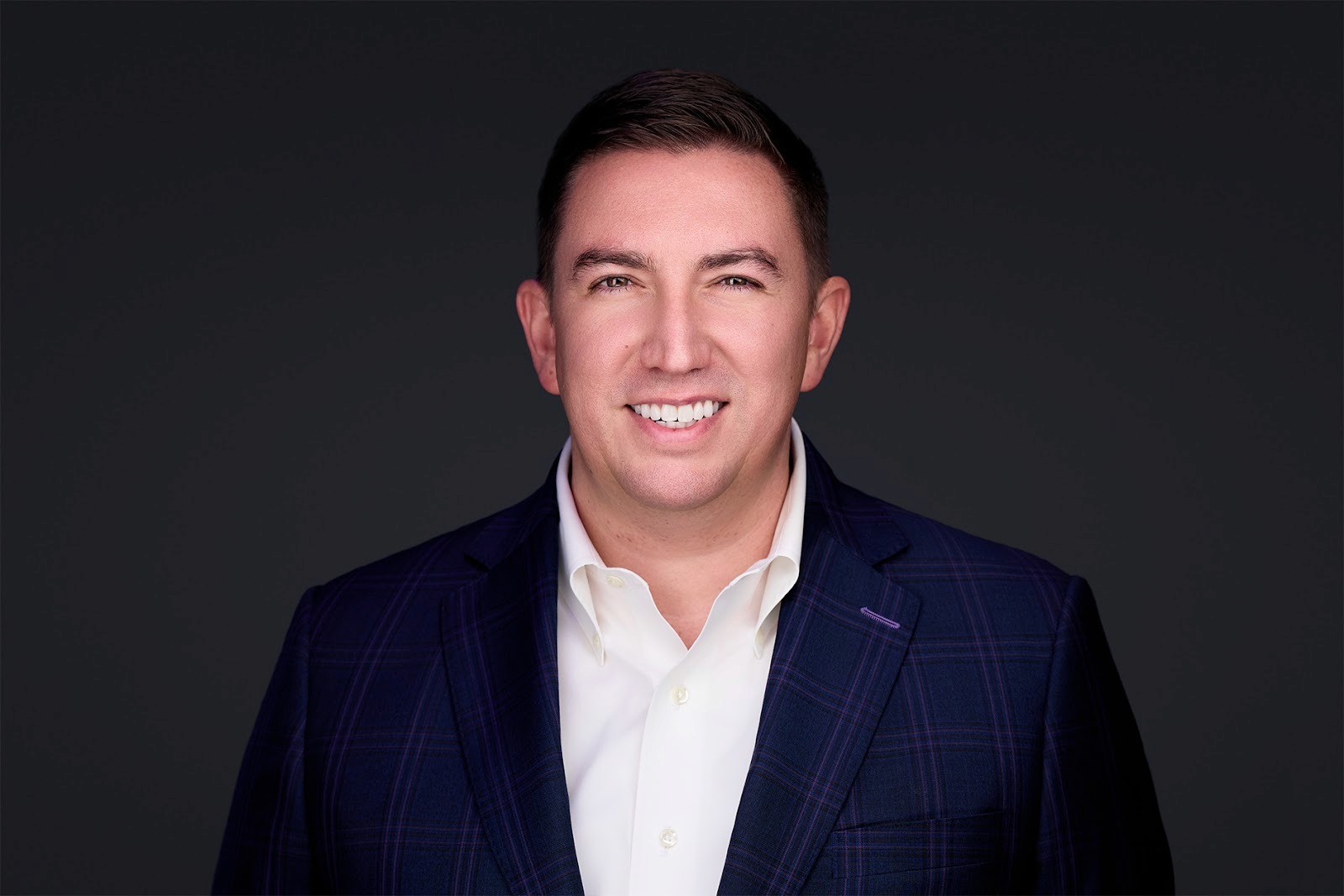
Chad Angle writes about executive reputation, digital risk, and online defamation. He works with leadership teams and defense counsel on high exposure matters where public perception is shaped before legal outcomes. His work focuses on how search, media, and early signals influence reputation in real time. He shares additional insights on LinkedIn and on X.