
Why Most People Fail To Lose Weight, According To Believe In Lean Founder Thomas Whitehead
Thomas Whitehead reveals why lasting fat loss has less to do with dieting and more to do with identity, habits, and mindset.
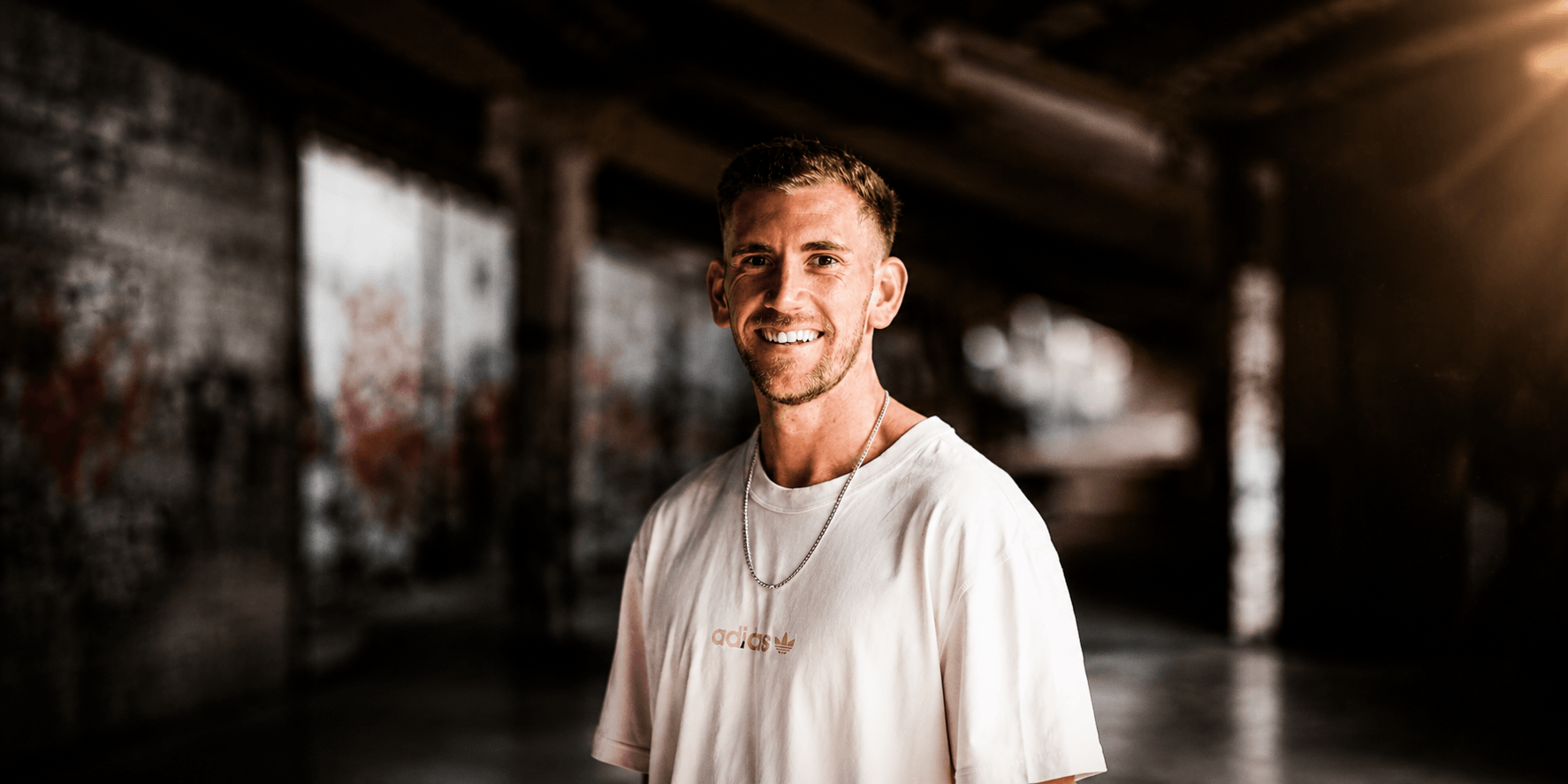
Every January, millions of people promise themselves that this time will be different.
They buy gym memberships. Download calorie tracking apps. Cut out carbs. Start running. Throw away the snacks. For a few weeks, motivation is high. The scale moves. Progress feels exciting.
Then life happens.
Work becomes stressful. The children get sick. Energy drops. Old habits creep back in. Motivation disappears. Before long, most people are back where they started, wondering why they always fail.
According to Thomas Whitehead, the answer has almost nothing to do with food.
“The biggest reason people fail to lose weight is because they are trying to change their body without changing who they are mentally,” says Whitehead. “Most people focus on calories and workouts. Very few focus on identity, habits, emotional behaviour, and mindset. That is where real transformation actually happens.”
It is a perspective that has helped Whitehead build Believe In Lean into a globally recognised coaching company helping busy parents and women over 40 achieve sustainable fat loss and lifestyle transformation without extreme dieting or toxic fitness culture.
But Whitehead’s understanding of transformation did not come from textbooks or social media trends. It came from rebuilding his own life.
Before becoming a respected fitness coach and entrepreneur, Whitehead says he was stuck in a destructive cycle involving drugs, alcohol, arrests, and a lifestyle centred around escaping responsibility. Although he graduated from university, he admits he was drifting through life with little purpose and no clear future.
Then came a turning point.
After moving to China to teach English to kindergarten students, Whitehead found himself removed from the environment that had been pulling him backwards. For the first time, he became fully invested in his own development through health, fitness, discipline, and mindset work.
What started as physical change quickly became something much bigger.
Fitness gave him structure. Discipline gave him confidence. Personal development changed the way he thought about himself and his future.
Today, Whitehead owns two homes, has built a thriving international business, welcomed his first child, and grown a combined social audience of more than 750,000 followers. Yet he believes the greatest transformation was never physical.
“It was learning how to think differently,” he explains. “That changed everything.”
That philosophy has now become the foundation of Believe In Lean’s coaching model.
Unlike traditional fitness programmes that focus purely on short term weight loss, Believe In Lean teaches clients how to create permanent behavioural change. The goal is not simply to lose weight for summer or survive another restrictive diet. The goal is to become the kind of person who naturally maintains healthy habits long term.
Whitehead believes most fitness plans fail because they rely entirely on temporary motivation and unsustainable restriction.
“We do not put people on diets,” he says. “Most diets teach people to suffer through the process. We teach people how to build a lifestyle they can actually enjoy maintaining.”
That approach includes helping clients manage stress, emotional eating, self sabotage, poor routines, lack of structure, and limiting beliefs that often prevent long term success. Through systems like the Perfect Nutrition Formula™ and the Menopause Reset Method™, Believe In Lean focuses on sustainable nutrition, resistance training, recovery, accountability, and habit integration designed for real world lifestyles.
The programmes are especially popular among busy parents and women over 40 who feel frustrated after years of failed dieting attempts.
Rather than expecting clients to spend hours in the gym or eliminate their favourite foods, Whitehead’s philosophy centres around practical consistency. Careers, social lives, family responsibilities, holidays, and stress are all considered part of the process because he believes fitness should improve life, not consume it.
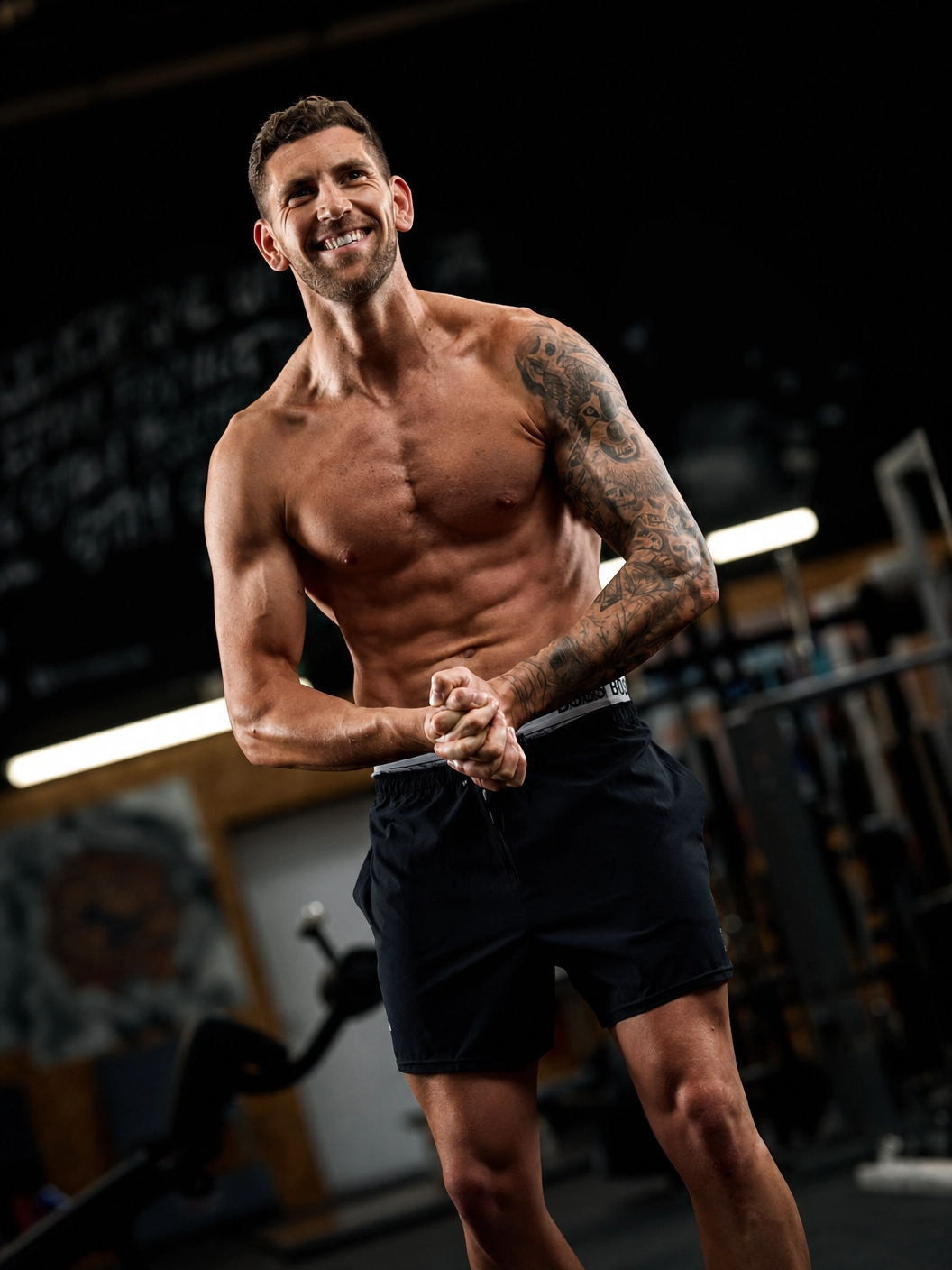
That realistic approach has produced powerful client success stories.
Several clients have dramatically improved serious health conditions through sustainable lifestyle change under Whitehead’s coaching. Clients Clint and Vicky reversed Type 2 diabetes through weight loss, nutrition, training, and habit transformation. Another client, Tracie, successfully came off HRT after improving her body composition, lifestyle habits, and overall health through Believe In Lean’s holistic methods.
For Whitehead, stories like these prove that long term transformation is possible when people stop chasing quick fixes and start changing the way they think.
“If you continue to do what you have always done, you will continue to get what you have always got,” he says.
That message has resonated strongly online, where Whitehead’s straightforward communication style continues attracting a growing audience across Instagram, YouTube, Facebook, LinkedIn, or TikTok.
His work has also earned collaborations with ESN (Elite Sports Nutrition), one of Europe’s leading sports nutrition companies, helping further establish Believe In Lean as a credible voice in modern transformation coaching.
Whitehead's work has also received recent industry recognition. He was named Best Online Fitness Coach for Busy Parents in the United Kingdom of 2026 by Best of Best Review, an award that recognizes his commitment to helping clients achieve sustainable health and fitness through practical, lifestyle-focused coaching. The judging panel highlighted his emphasis on mindset, behavior change, accountability, and long-term habit formation, as well as his ability to help busy parents build healthier lives without relying on restrictive diets or unrealistic fitness routines. The recognition reflects the growing influence of Believe In Lean's coaching philosophy and its focus on lasting transformation rather than short-term results.
Still, Whitehead believes the biggest problem with the fitness industry remains unchanged.
Too many people are searching for the perfect plan while ignoring the mindset patterns that keep sabotaging their progress.
“The best time to plant a tree was twenty years ago,” he says. “The second best time is now.”
For the thousands following his message, that mindset shift may be the real starting point for lasting transformation.