
Why We Become the People We Were Told to Be
Identity is often inherited, not chosen. Growth begins when we recover who we truly are beyond expectations, roles, and conditioning.
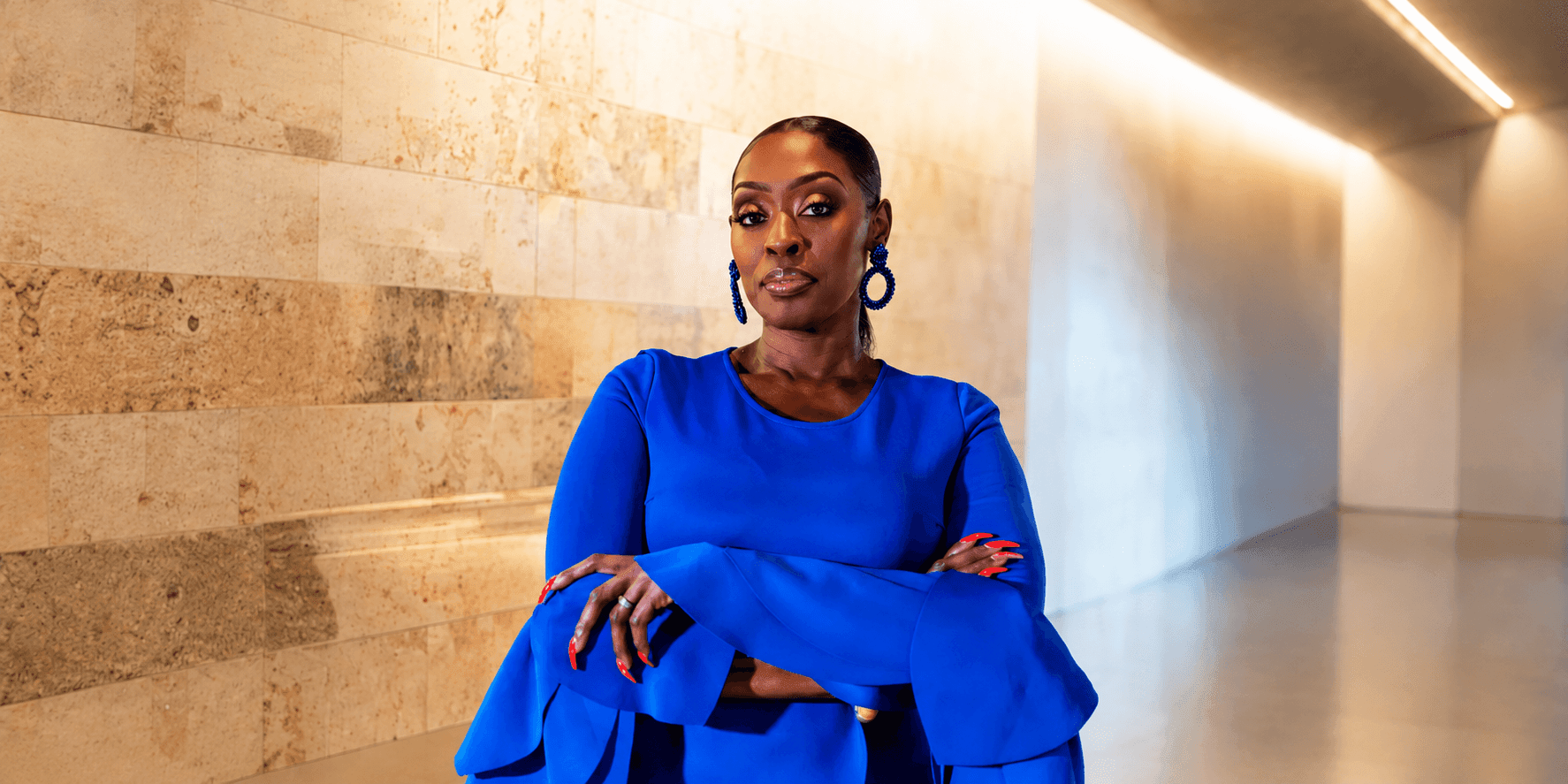
By Dilys Sillah
Imagine I asked you one simple question.
“Tell me about yourself.”
Most people answer without hesitation. They tell me what they do for a living. They tell me where they live, whether they are married, whether they have children, the qualifications they earned, the positions they hold, or the businesses they own. They usually answer confidently.
The only problem is that they have told me almost nothing about who they really are.
Somewhere between childhood and adulthood, we quietly stop introducing ourselves as people and begin introducing ourselves as roles. We become the title on the business card, the profession on LinkedIn, the responsibilities we carry, the expectations we fulfil and the identities that make sense to everyone around us.
When did that happen? More importantly, why did it happen?
I have come to believe that one of the greatest misconceptions about identity is that we imagine it is something we discover. The more I have worked with people over the past three decades, the less convinced I have become that this is true.
Maybe identity is not something we discover at all. Maybe it is something we recover.

That may sound like a curious distinction, but I believe it explains far more about human behaviour than we often realise.
No child enters the world wondering how they should perform for acceptance. They arrive with curiosity, personality, emotion and a natural desire to connect. Then, almost without noticing it, they begin learning the rules of belonging.
They learn what earns praise, what earns approval, what earns silence and what earns disappointment. They learn which emotions are welcomed and which should be hidden. They discover which questions are encouraged and which are considered disrespectful. They notice which parts of themselves make life easier for everyone around them and which parts create discomfort.
Nobody sits a child down and says, “Today we are going to teach you how to become someone else.” Life is rarely that deliberate. It happens gradually.
It happens through families who love us deeply and genuinely want the best for us, through schools, communities, workplaces, friendships and culture, and through religion, social expectation and the subtle messages we absorb long before we are old enough to question them.
The remarkable thing is that conditioning rarely arrives through cruelty. More often, it arrives through love.
It sounds like “people like us do not behave that way,” “be careful what people will think,” “good girls don’t” and “real men should.” Sometimes it says nothing at all. Sometimes it is communicated through a raised eyebrow, an uncomfortable silence or the expression on someone’s face when you dare to think differently.
Eventually, those messages stop sounding like someone else’s opinions and begin sounding like your own internal voice.
This is where something extraordinary begins to happen.
The version of ourselves that receives the greatest acceptance slowly becomes the version we continue presenting to the world. It is who we learned was safest to be, rather than necessarily who we are.
I have come to believe that many of us arrive at the same conclusion. The rebellion is not worth the fallout. So we adapt.
Who willingly chooses rejection, or wants to become the difficult one in the family? Who wants to be labelled rebellious at work, or to be the person who asks uncomfortable questions when everybody else seems content with familiar answers? Very few people.
Belonging is one of the deepest human needs we possess. Long before we seek significance, we seek acceptance. Long before we pursue authenticity, we pursue safety. We adapt because we are human.
The more I have reflected on this, the more convinced I have become that many of the struggles we describe as confidence issues are, in reality, identity issues.
How many capable people apologise before sharing an idea they already know is valuable? How many talented professionals hesitate before accepting opportunities they are more than capable of handling? How many people remain silent in meetings, relationships or families, not because they have nothing to contribute, but because somewhere in their past they learned that speaking freely carried consequences?
We often mistake silence for insecurity. Sometimes silence is simply the sound of a lifetime of conditioning.
The human brain plays a fascinating role in all of this. Its primary responsibility is not to make us authentic. Its primary responsibility is to keep us alive. One of the ways it achieves this is by constantly searching for familiarity. Familiarity feels predictable, and predictability feels safe.
This is why people often remain in situations that make little sense to those observing from the outside.
We ask why someone stays in a relationship that has become unhealthy, wonder why people remain in careers that no longer fulfil them, and question why individuals continue repeating patterns they themselves say they want to change.
The answer is rarely as simple as lacking courage.
The familiar possesses a strange psychological comfort, even when it hurts. The brain already understands the rules of that environment. It knows how to survive there. The unfamiliar, even when it promises something better, offers no guarantees.
Before the brain allows us to step into unfamiliar territory, it needs to be sure that we are sure. It does this because it wants to protect us, never to imprison us.
The irony, of course, is that what protects us in one season of life can quietly imprison us in another.
The Borrowed Identity
A Borrowed Identity is not about pretending to be someone else. It is far more subtle than that. It is the gradual construction of a self built from expectations that originated outside of us, expectations inherited from family, culture, education, religion, relationships, organisations and society itself.
Over time, those expectations become so familiar that we no longer recognise them as borrowed. We defend them as though they were our own, organise our lives around them and mistake adaptation for authenticity.
Maybe this explains why genuine human development can feel so uncomfortable. It asks us to question beliefs we have carried for decades, to separate inherited expectation from personal conviction, and to distinguish between the life we consciously chose and the life we unconsciously accepted.
That is not an easy process. It requires honesty, courage and, most of all, permission.
This question sits at the heart of my work through The Glass Framework™.
For many years, personal development has been presented as the process of becoming someone new. I have never believed that.
I believe we are born whole, and that life gradually depletes aspects of our human capacity through disappointment, fear, trauma, loss and conditioning.
Human development is not about constructing a new identity. It is about recovering the one that existed before we learned that love depended upon performance, acceptance depended upon conformity and belonging depended upon becoming someone other than ourselves.
Tonight, ask yourself one question.
Which parts of the life I am living were chosen by me, and which parts were borrowed from everyone who told me who I needed to become?
Do not rush to answer. Some questions deserve to make us uncomfortable before they make us free.
To learn more about Dilys Sillah’s work, thought leadership and forthcoming book, visit www.dilyssillah.com, or her corporate practice at www.goldentouchcoaching.com, or connect with her on LinkedIn.
© 2026 Dilys Sillah. All rights reserved.