Why We Still Buy From People We Trust
Mike Nicholls blends television polish with social commerce to make selling feel human again.
The way we shop is changing faster than at any point in living memory. A recommendation can now reach millions overnight. A shop assistant might be a creator. A television channel might be a smartphone. And in this noisy new marketplace, one question matters more than any other: who do we actually trust? Mike Nicholls has built his entire career around answering it.
From Broadcast Discipline to Social Commerce
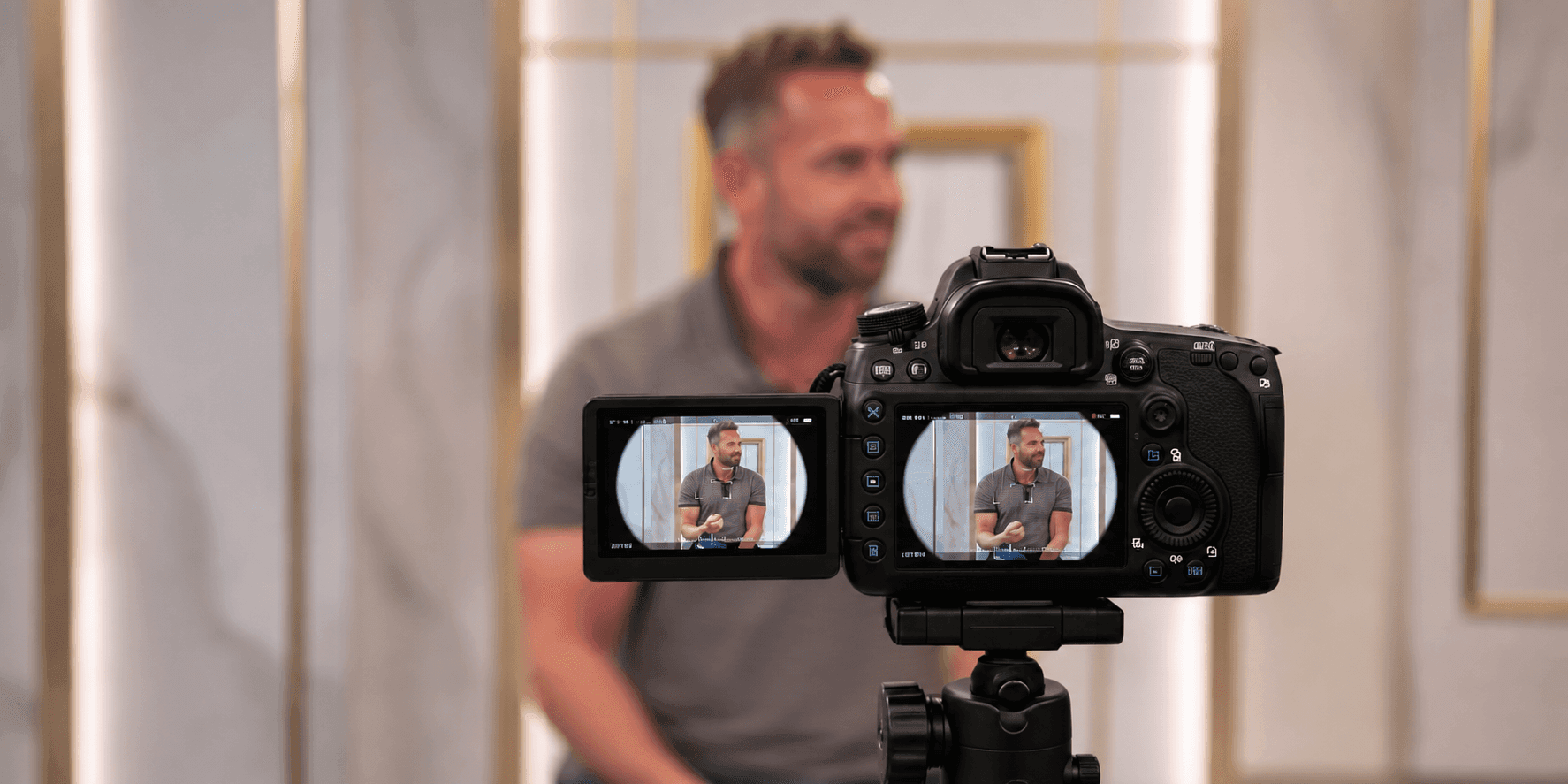
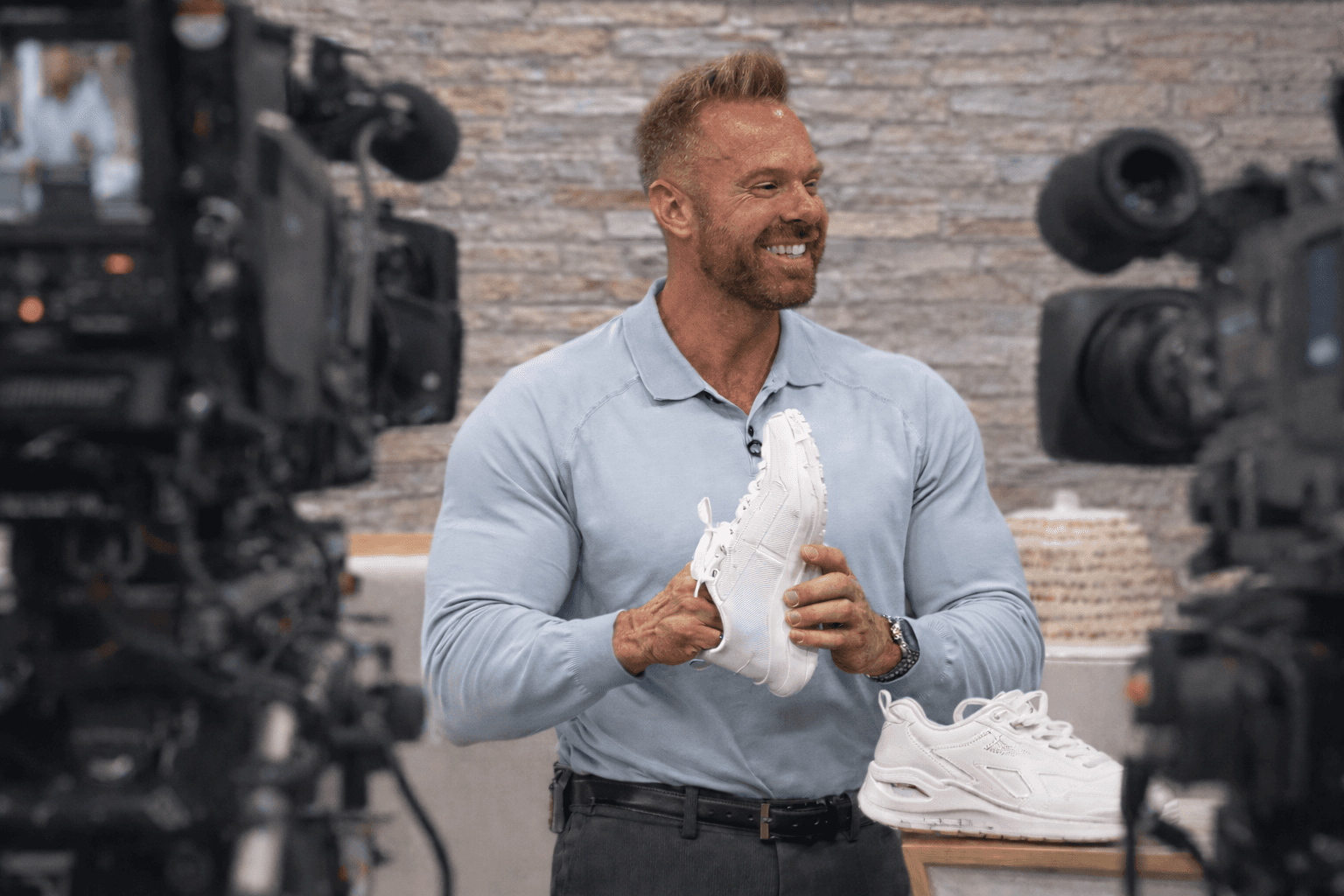
Mike Nicholls occupies an unusual position in modern retail. He is a television presenter, a live-selling specialist and a brand storyteller who represents global brands across broadcast television while also working in the fast-moving world of live and social commerce. That dual perspective gives him a rare view of both where shopping has come from and where it is going.
For years, brands controlled the conversation. Advertising told people what to buy, retailers told them where, and television brought products directly into their homes. That world is now dissolving. TikTok, livestream shopping and creator-led selling are blurring the lines between entertainment, influence and retail. Anyone with a phone can become a salesperson.
Mike sees this transformation from the inside, not the sidelines. As he puts it, "We used to go shopping. Increasingly, shopping comes looking for us." His response to that shift is deliberately old-fashioned. Integrity matters. Great selling, he believes, is not about convincing someone to buy something they do not need. It is about understanding the customer and telling the product's story honestly.
The Trust Problem Nobody Can Ignore
The numbers explain why Mike's philosophy feels so timely. Around one third of the UK online population actively follows influencers for recommendations, according to Advertising Standards Authority research published in 2026. Yet roughly eight in ten people want influencers to make it clear upfront when they are advertising something.
The gap between confidence and reality is striking. While about half of people believe they can recognise influencer advertising, only around half could correctly identify influencer posts as adverts when shown real examples. More than a quarter failed to recognise influencer advertising at all.
The ASA analysed more than 50,000 pieces of Instagram and TikTok content from 509 UK-based accounts. It estimated that only 57 percent of influencer advertising complied with disclosure requirements, while 34 percent contained no advertising disclosure at all. In 2024 alone, the ASA received more than 3,500 complaints concerning potential failures to disclose social-media advertising.
This does not mean influencer marketing is bad. Far from it. It simply shows how quickly the relationship between content and commerce is evolving, and why transparency has become so valuable. "The biggest challenge facing modern selling isn't getting somebody's attention," Mike says. "We've become incredibly good at that. The challenge is deserving their trust once you've got it."
Storytelling Rather Than Shouting
Mike's real difference is not simply where he works. It is how he sells. He is a storyteller first.
He does not believe the best way to sell something is to shout louder, manufacture urgency or persuade someone they need what they do not. Instead, he wants to understand the person watching, find the human story within a product and communicate it in a way that is entertaining, relatable and truthful. Products are specifications. Stories give those specifications meaning.
"People rarely go home and tell somebody about a product specification," Mike explains. "They tell them a story: where they found something, why they loved it and how it made their life better. That's the part of selling I'm fascinated by." Rather than listing what a product has, his job is to understand why a feature could matter to the person watching.
That skill crosses the divide between traditional broadcasting and social media. Working with established global brands in a broadcast environment teaches a particular discipline: understand the product, substantiate every claim and remember there is a real customer on the other side of the camera spending their own money. Mike brings those principles into the newer world of social selling. "I don't think social selling needs less selling," he says. "I think it needs better selling. More transparent, more knowledgeable and more human."
The Salesperson of the Future
We are entering a strange new retail world. AI can produce product descriptions. Algorithms can predict what people want. Platforms can put products in front of millions almost instantly. But technology cannot manufacture trust.
Mike believes the distinction between presenter, creator, entertainer and salesperson will become increasingly difficult to define. The people who succeed will not necessarily be those who sell the hardest. They will be the personalities audiences actively choose to spend time with, and whose recommendations they genuinely believe.
"The salesperson of the future might not look like a salesperson at all," Mike says. "They could be a presenter, creator, expert or storyteller. But whatever we call them, their greatest asset will be their reputation." That matters because social media does not offer the clear separation between programming and advertising that television audiences historically enjoyed. The ASA itself notes that influencer advertising can sit within ordinary content, making it harder to recognise.
For Mike, that makes integrity commercially valuable rather than quaint. "If I wouldn't comfortably recommend something to someone I cared about, why would I recommend it to thousands of people watching me?"
A Story About Convergence, Not Decline
This is not a story about television dying or social media replacing traditional retail. It is a story about convergence. Television is learning from creators. Creators are becoming retailers. Retailers are becoming media companies. Brands increasingly need personalities who can communicate directly with the people they hope to serve.
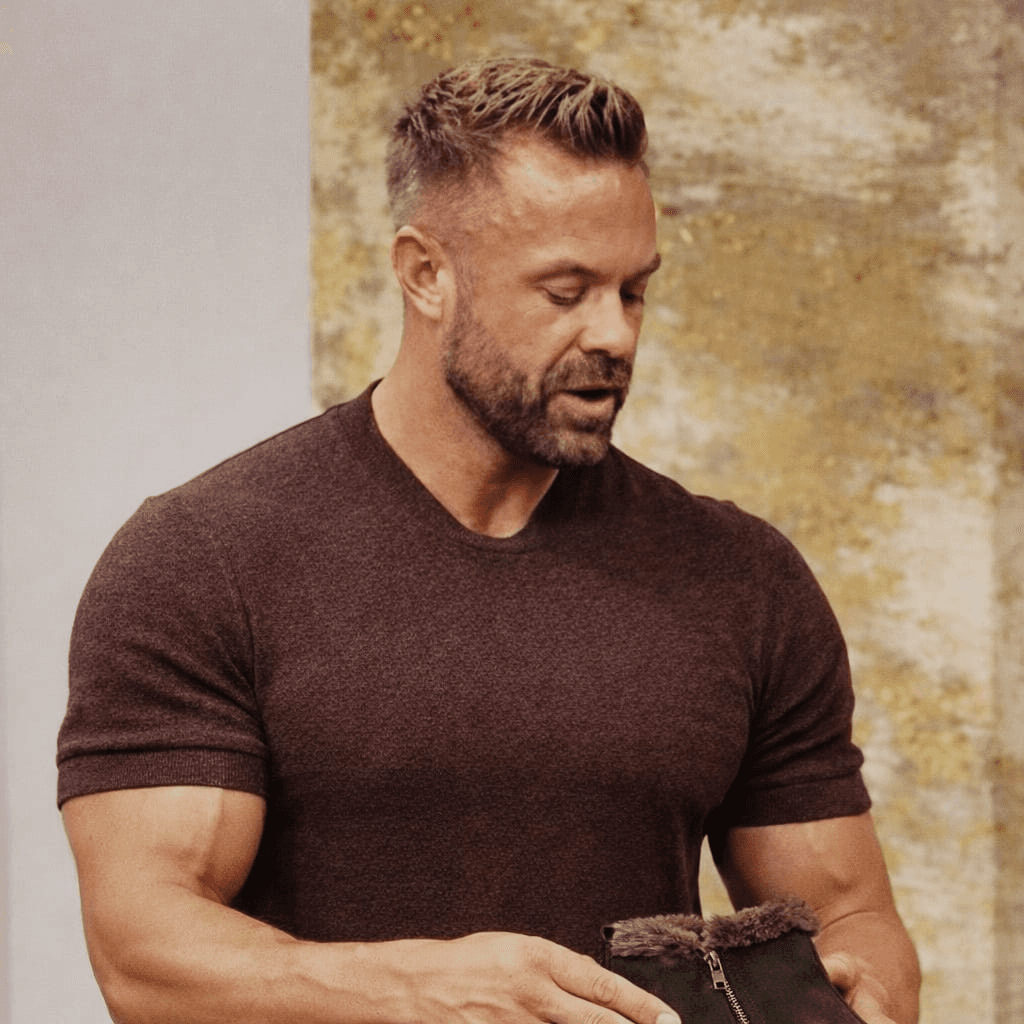
Mike Nicholls happens to stand at the intersection of all these worlds. Mike Nicholls Live brings together television presenting, social commerce and modern brand storytelling to help businesses communicate differently in an era when customers want to see, hear and experience the people behind the product.
His prediction for the future of shopping is, despite all the disruption, remarkably simple. "The platforms will change. The technology will change. The way we pay will change. Human nature won't. We'll continue buying from people who make us feel understood, and people we trust."
Bring Your Brand's Story to Life
If your product deserves more than a list of features, Mike Nicholls can give it a voice that audiences believe. Whether you are launching a product, broadcasting to television viewers or selling live on social platforms, Mike Nicholls Live turns demonstrations into conversations and broadcasts into moments customers remember. Those interested can reach out to discover how honest, human storytelling can help a brand stand out in a crowded market. Do not just show the product. Tell the story.
Explore More About Mike Nicholls Live
Connect with Mike Nicholls on Instagram or contact him directly by email at mike.d.nicholls@outlook.com.