
You Can Be Strong and Still Need Support: Mickey Forsyth’s Message for High-Capacity Women
Mickey Forsyth helps high-capacity women rebuild identity, boundaries, and self-trust through grounded, real-life self-care and emotional recovery.
When Everything Looks Fine but Feels Missing
There is a particular kind of silence that does not come from absence, but from overload. Life is full, responsibilities are handled, and from the outside everything appears steady. Yet inside, something feels increasingly distant. This is where Mickey Forsyth’s work on Self-Care for High-Capacity Women begins, in the space where success and emotional disappearance quietly overlap.
For many women, this moment does not arrive suddenly. It builds slowly through years of being the dependable one, the strong one, and the person others turn to without question. Mickey Forsyth recognizes this pattern not as failure, but as adaptation. A way of surviving seasons that demanded too much for too long.
Her message reframes the experience with clarity. “High-capacity women are often praised for how much they can carry, but no one asks what it is costing them.”
The Identity Shift No One Talks About
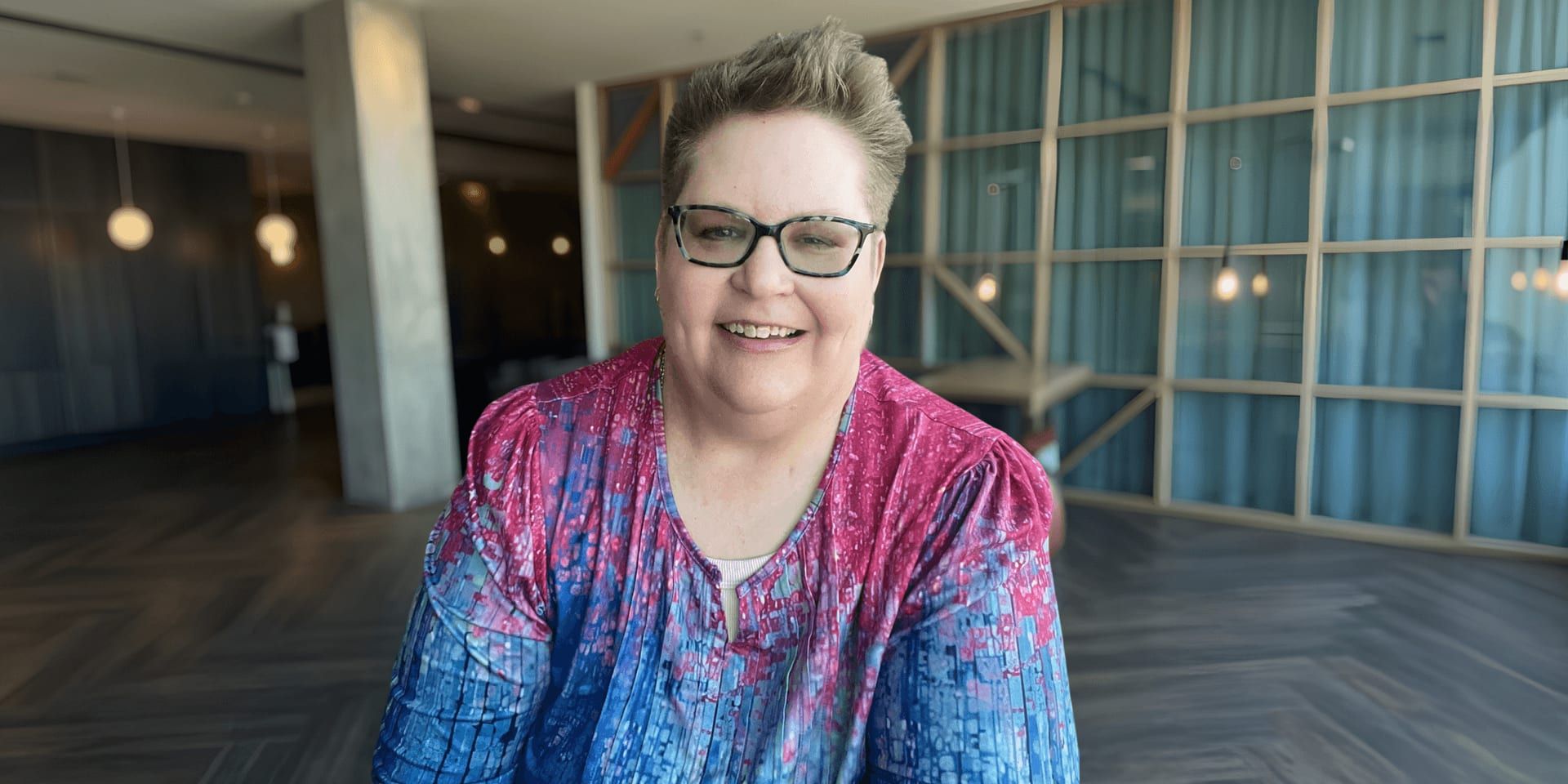
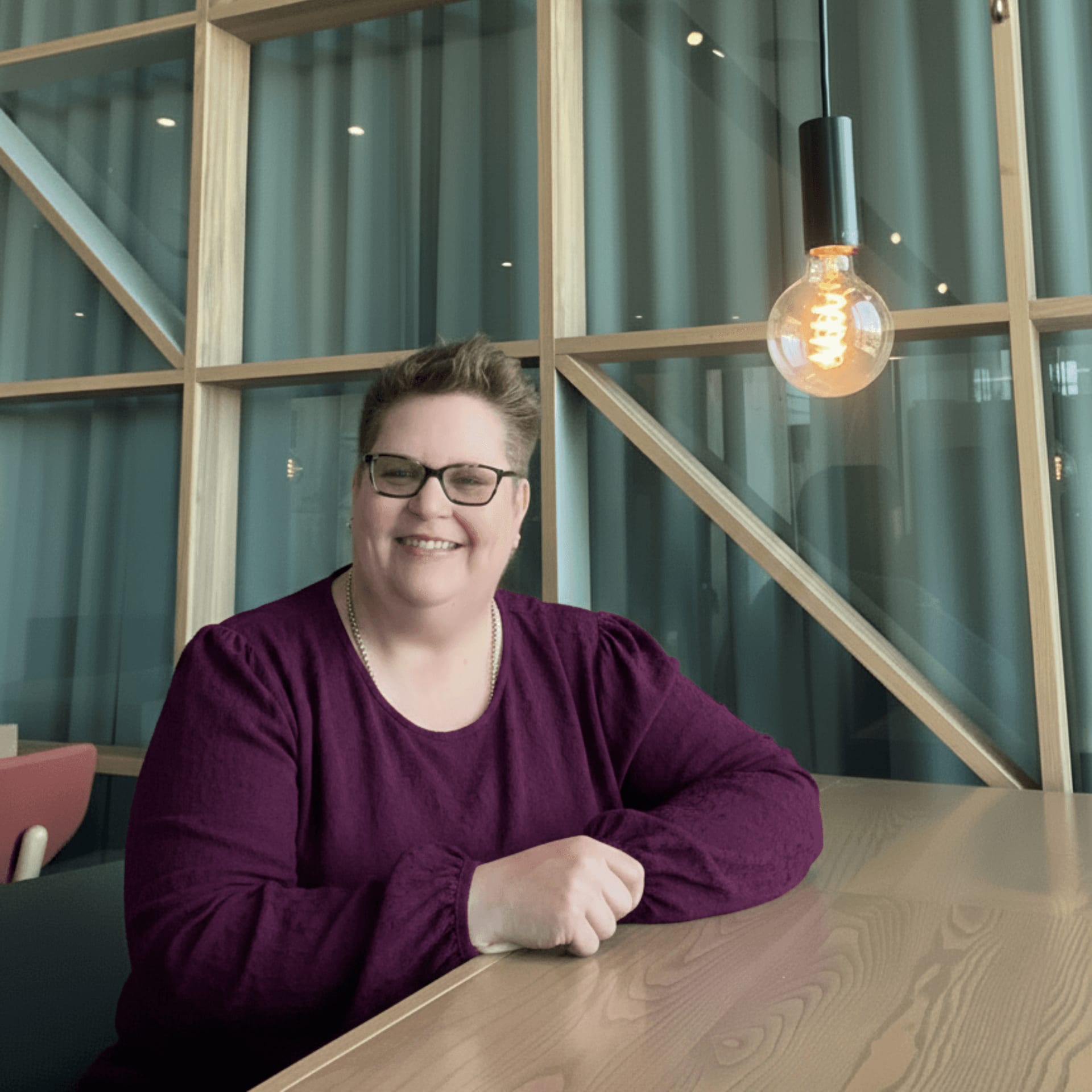
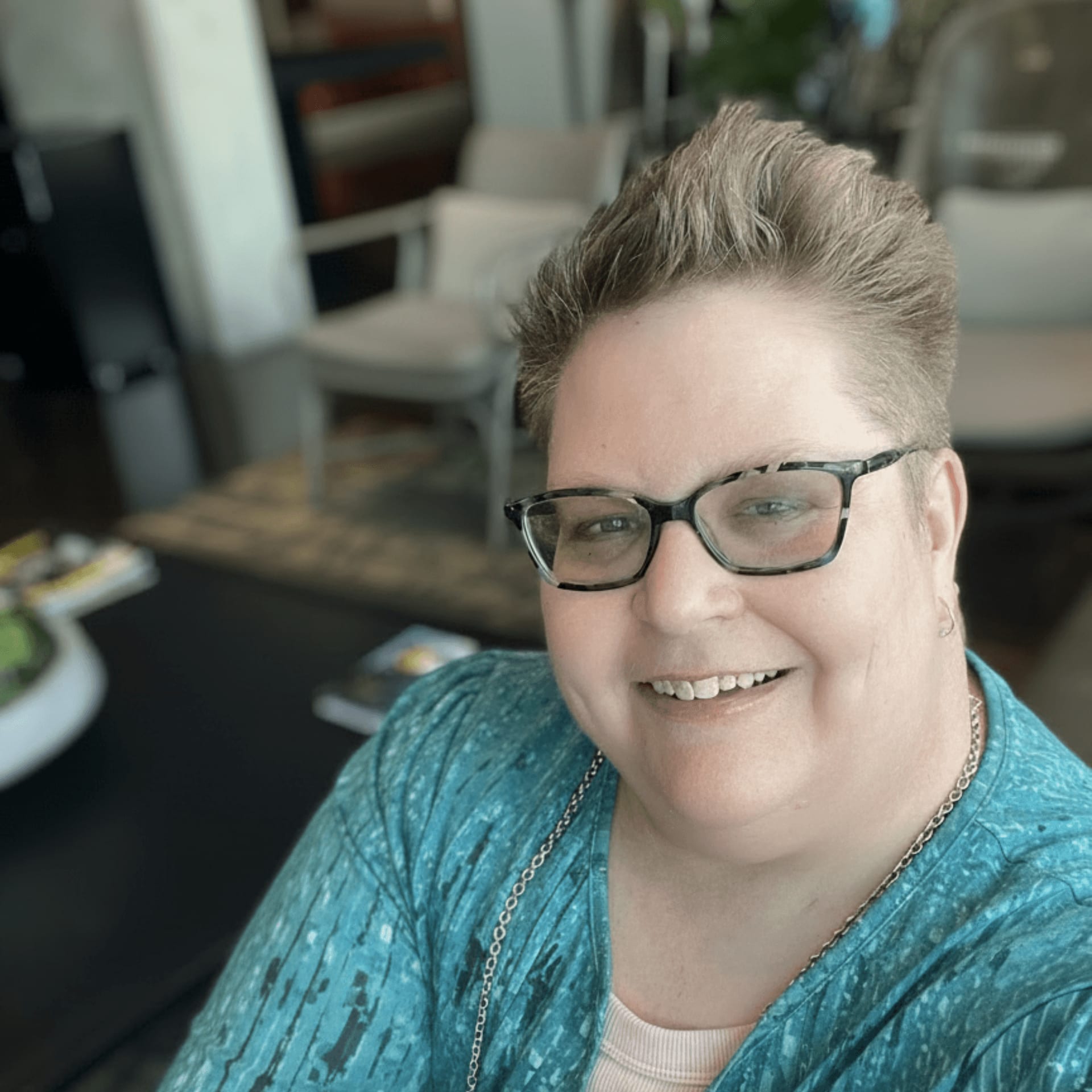
Mickey Forsyth is a Self-Care Mentor for High-Capacity Women, speaker, author, and entrepreneur whose work is grounded in lived experience. As a suicide widow, breast cancer survivor, former caregiver, and entrepreneur, Forsyth brings lived understanding to the invisible cost of being the person everyone relies on. But the heart of her message is not defined by these events. It is defined by what they reveal about identity loss under pressure.
In her work, she often meets women who are not just tired. They are uncertain of who they are outside of responsibility. Roles have replaced reflection. Function has replaced feeling. And productivity has replaced presence.
This is where she introduces a different lens. “Many women do not realize they have disappeared from their own lives until they are exhausted, resentful, numb, or no longer sure what they need.”
Burnout as a Pattern of Self-Abandonment
Mickey Forsyth does not describe burnout as a dramatic collapse. She describes it as erosion. A gradual distance from personal needs, desires, and internal signals. It is not always visible. It is often functional.
This is why her approach to Self-Care for High-Capacity Women moves away from surface solutions. Instead of asking women to add more practices to their lives, she asks them to notice what they have been abandoning within themselves.
Her philosophy is direct. “Self-care is not selfish. Self-abandonment is not noble.”
This reframing shifts the conversation from external behavior to internal relationship. It invites women to ask not how to do more, but how to return.
The Masks That Keep Life Moving
A central part of Mickey Forsyth’s framework is the recognition of burnout masks. These are the roles high-capacity women often adopt unconsciously to keep functioning under pressure. She identifies patterns such as Rescuer Rachel, Enduring Emma, Self-Sacrificer Sarah, Stoic Sally, and Numb Nancy.
These are not treated as problems to eliminate. They are understood as survival strategies that once served a purpose. They helped women stay steady during demanding seasons, care for others, and keep life moving when things were difficult.
But Mickey challenges what happens when survival becomes identity. “The masks we wear are not flaws. They are often the patterns that helped us survive. But at some point, we have to ask whether they are still helping us live.”
This question becomes a turning point in her work. It opens the possibility of choice without shame.
A Different Kind of Self-Care
In a culture that often reduces self-care to rest or indulgence, Mickey Forsyth offers a more grounded definition. For her, Self-Care for High-Capacity Women is about emotional honesty, boundary awareness, and rebuilding trust with oneself.
It is not about stepping away from life. It is about learning how to stay present within it without disappearing in the process.
She often returns to a simple truth. “Real self-care is not another thing to perform. It is the practice of coming back to yourself in the middle of real life.”
This perspective resonates deeply with women who feel overwhelmed by traditional wellness messaging. It removes performance and replaces it with presence.
Strength Without Self Loss
One of the most important shifts Mickey Forsyth encourages is the separation of strength from self-neglect. Many women have been taught that being strong means enduring everything without pause or need. Her work gently challenges that belief.
She reminds women that capability and exhaustion can coexist. Responsibility and emotional depletion can exist at the same time. And being relied upon does not mean being unlimited.
“You can be strong and still need support. You can love deeply and still have limits. You can be capable and still be tired.”
This message does not ask women to become less. It asks them to become more connected to themselves.
The Come Back to You Movement
Through her Come Back to You movement, Mickey Forsyth creates spaces for women to pause, reflect, and reconnect with their internal world. This includes coaching, speaking, writing, and community-based experiences designed to support identity recovery rather than identity performance.
Her work is not about abandoning responsibility. It is about restoring relationship with self while still living a full life.
She summarizes her mission with clarity. “My work is about helping women stop asking, ‘What is wrong with me?’ and start asking, ‘What pattern did I learn to survive, and what do I want to choose now?’”
This shift transforms self-judgment into self-awareness.
Returning Without Burning Everything Down
A key misunderstanding Mickey Forsyth often addresses is the idea that change requires destruction. Her work challenges this directly. Healing does not require walking away from life. It requires learning how to exist within it differently.
“Coming back to yourself does not mean burning your life down. It means learning how to exist inside your life without disappearing from it.”
This idea is central to Self-Care for High-Capacity Women because it respects reality. Women are not asked to abandon roles, relationships, or responsibilities. They are invited to reconnect with themselves while still living inside the life they have built.
A Return to Self Is the Real Success
Mickey Forsyth’s work reframes success itself. It is no longer defined only by achievement, capacity, or output. Instead, it includes presence, emotional awareness, and self-connection.
Her message is simple but deeply resonant. Women do not need to become different people. They need to return to the ones they already are beneath the roles they have been carrying.
For those who recognize themselves in this experience, her work offers a path forward that is grounded, compassionate, and real.
Women who are ready to stop disappearing inside their own lives can explore Mickey’s coaching, speaking, writing, and community at mickeyforsyth.com. Her work invites women to stop disappearing and start returning to themselves, not someday, but now.