
Absolics Secures CHIPS Funding to Revolutionize Semiconductor Packaging
Absolics has received up to $100 million from the CHIPS for America program to advance glass-core substrate technology, a breakthrough in semiconductor packaging. This innovation could enhance chip performance, improve energy efficiency, and support the U.S. push for domestic semiconductor production.
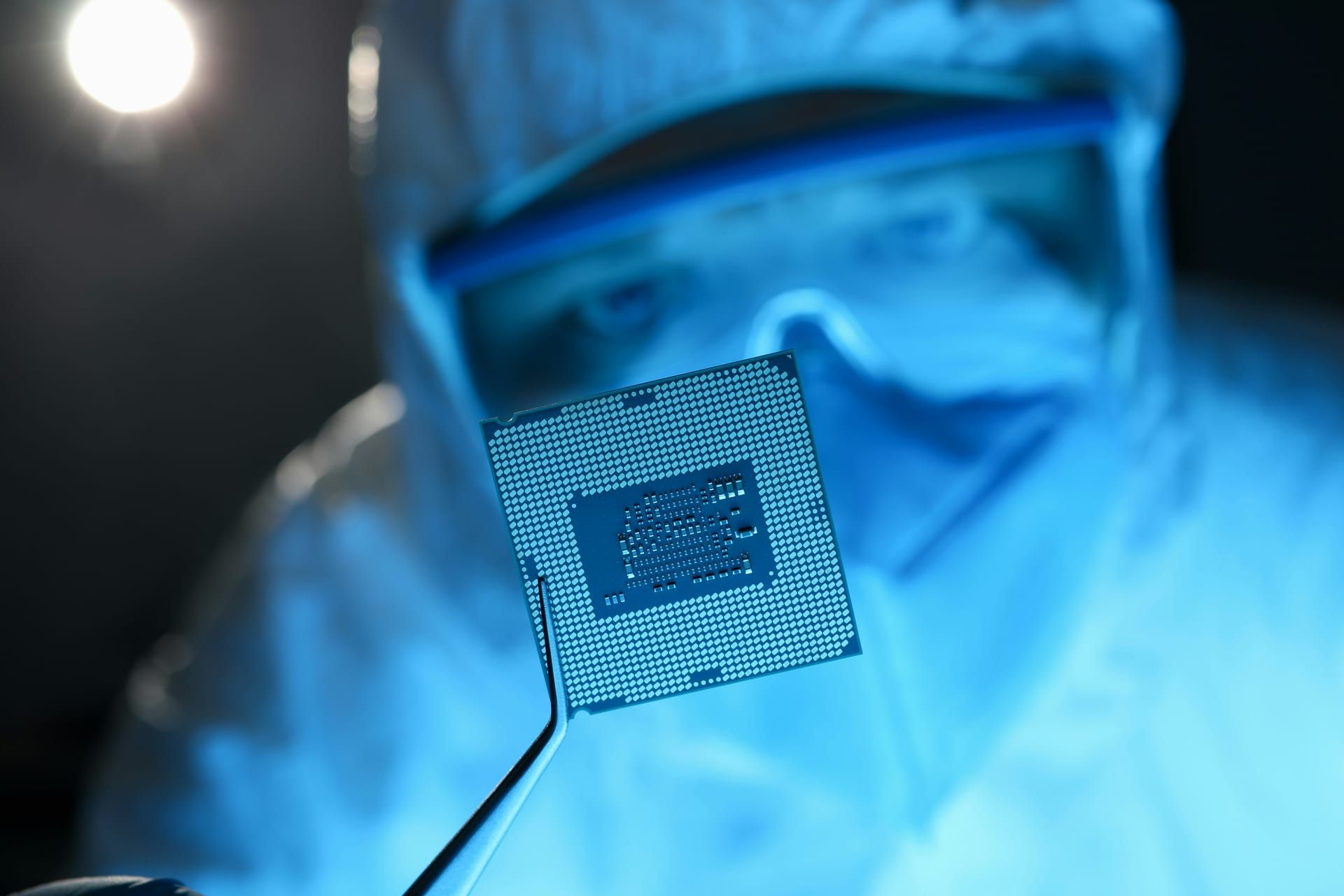
As the United States continues its push to strengthen domestic semiconductor manufacturing, Absolics, a Covington, Georgia-based subsidiary of SKC, has secured up to $100 million in funding under the CHIPS for America program. The investment is aimed at developing glass-core substrate technology, a next-generation advancement in semiconductor packaging that could significantly enhance chip performance and efficiency.
Glass-core substrates are a major breakthrough in semiconductor technology, offering substantial advantages over traditional organic substrates. This new packaging method enables more precise circuit interconnections, improved thermal management, and higher energy efficiency, all of which are critical for high-performance computing, artificial intelligence (AI), and 5G communications.
The CHIPS Act, signed into law in 2022, has allocated $52.7 billion to revitalize the U.S. semiconductor industry, and Absolics' project represents one of the key investments in advanced packaging technology. Unlike conventional semiconductor manufacturing, which focuses on chip production alone, advanced packaging plays a crucial role in ensuring that processors achieve optimal performance.
With global demand for high-performance computing continuing to rise, glass-core substrates could address the growing need for chips that can process vast amounts of data efficiently. This innovation is particularly relevant for AI-driven applications, where processing power and energy efficiency are crucial.
Absolics' investment also aligns with broader national security objectives. The U.S. government has been working to reduce reliance on foreign semiconductor suppliers, particularly those in Asia, by incentivizing domestic research and production. The funding will help Absolics scale its manufacturing capabilities and establish the United States as a leader in next-generation chip packaging technologies.
Despite the excitement surrounding glass-core substrates, challenges remain. Large-scale adoption of the technology will require significant changes to existing semiconductor fabrication processes, and companies will need to adapt their manufacturing infrastructure accordingly. However, industry experts believe that the potential benefits far outweigh these challenges, making this an important step in the evolution of semiconductor design.
With this new funding, Absolics is poised to play a critical role in the U.S. semiconductor industry’s future. If successfully implemented, glass-core substrate technology could revolutionize chip manufacturing, enhancing the capabilities of everything from AI processors to data centers and mobile devices.