
America Navigates Security, Immigration, and Election-Year Crosscurrents
The United States entered the middle of June with a mix of national security concerns, major legal and political battles, and developments that could shape the 2026 midterm landscape. Debates over surveillance powers, immigration policy, foreign policy tensions with Iran, and key primary elections dominated headlines, while courts continued to weigh in on major administration initiatives.
Congress Races to Address Expiring Surveillance Authority
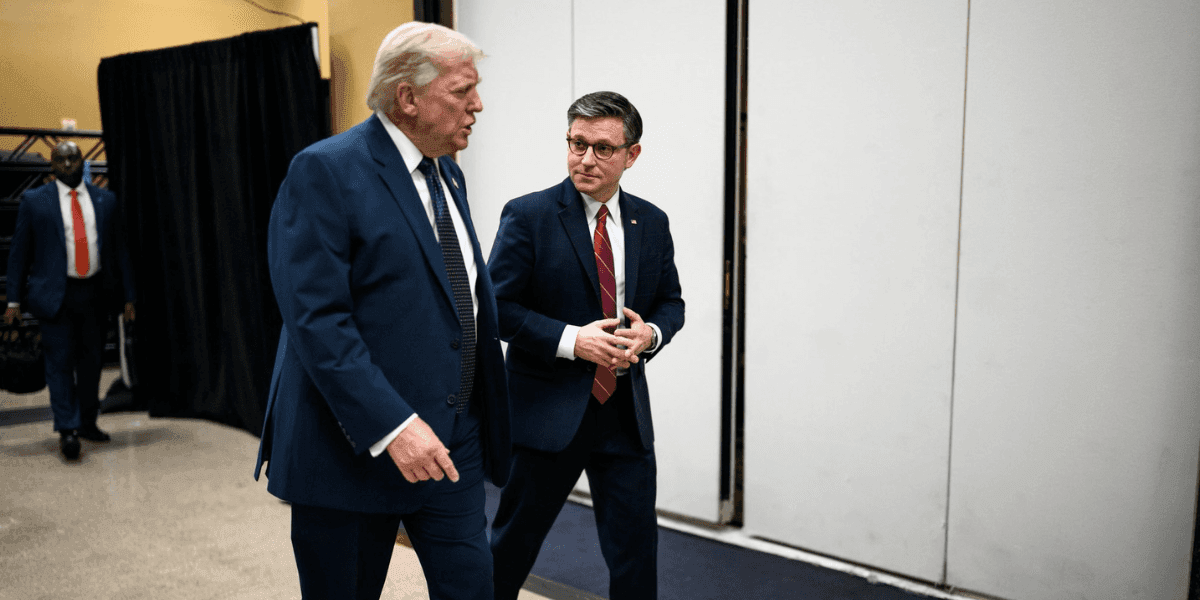
One of Washington’s most significant policy debates centered on the future of Section 702 of the Foreign Intelligence Surveillance Act (FISA), a surveillance authority used by U.S. intelligence agencies to monitor foreign targets overseas. President Donald Trump met with House Speaker Mike Johnson as lawmakers sought a path forward before the program’s statutory expiration. The issue has become increasingly contentious amid disagreements over oversight, civil liberties protections, and recent personnel changes within the intelligence community.
The debate intensified after Trump appointed Bill Pulte as acting director of national intelligence, a move that complicated bipartisan negotiations. Supporters argue the authority remains essential for national security, while critics continue to raise concerns about incidental collection of Americans’ communications.

Photo Credit: U.S. Air Force photo/Tech. Sgt. Matt Hecht/Wikimeda
Middle East Tensions Escalate After Helicopter Incident
Foreign policy moved to the forefront after reports emerged that Iran had shot down a U.S. Apache helicopter near the Strait of Hormuz. According to U.S. officials, the helicopter’s crew was successfully rescued, but the incident immediately heightened concerns about a broader confrontation in the region. President Trump stated that the United States “must” respond if Iranian responsibility is confirmed.
The episode occurred amid ongoing efforts to negotiate a broader agreement aimed at reducing tensions between Iran, Israel, and regional actors. Despite the latest military confrontation, administration officials continued to express optimism that diplomatic talks could produce a breakthrough in the coming days. Global markets and security analysts are closely monitoring developments because of the strategic importance of the Strait of Hormuz to world energy supplies.
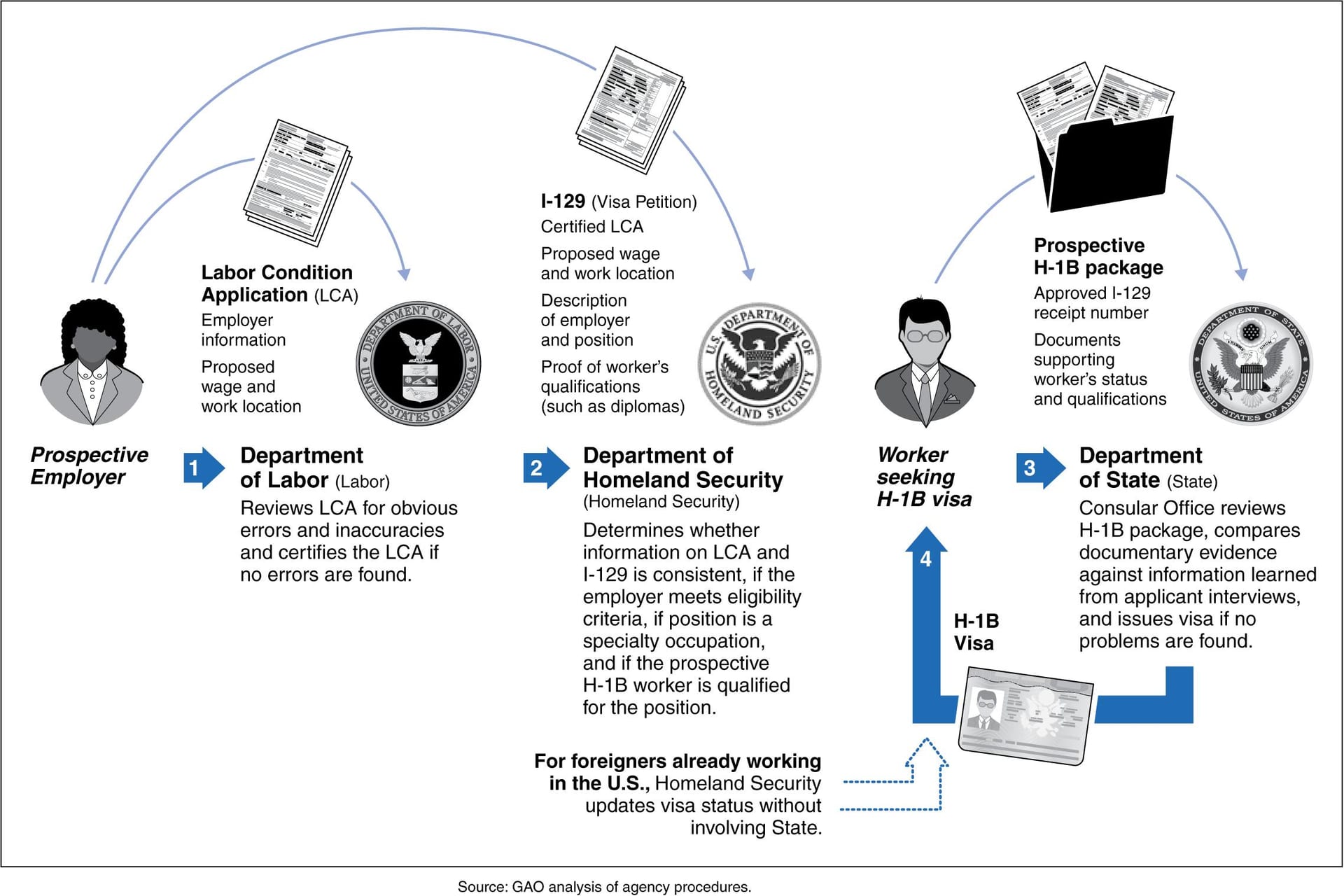
Photo Credit: U.S. Government Accountability Office/Wikimedia
Federal Court Strikes Down H-1B Visa Fee
A federal judge delivered a significant setback to the administration’s immigration policy by invalidating a $100,000 fee imposed on new H-1B visa applications. The court ruled that the fee exceeded legal authority, effectively blocking one of the administration’s efforts to reshape high-skilled immigration.
Business groups and technology companies had strongly opposed the fee, arguing that it would discourage employers from hiring specialized workers and could hurt American competitiveness. Immigration advocates welcomed the ruling, while administration supporters argued that higher fees were intended to prioritize domestic hiring. The decision is expected to influence broader debates over immigration and workforce policy heading into the midterm elections.
Photo Credit: Cyrus Crossan/Unsplash
Primary Elections Offer Early Midterm Signals
Voters in several states headed to the polls for primary elections that are being closely watched as indicators of the political climate ahead of November. Particular attention focused on Maine, where Democratic Senate candidate Graham Platner faced scrutiny over past controversies while attempting to secure his party’s nomination. The race became a test of how voters weigh candidate electability against personal conduct concerns.
South Carolina also held important primary contests, including races that highlighted divisions within the Republican Party over foreign policy and support for the Trump administration. Political strategists from both parties are studying turnout patterns and voter behavior for clues about the issues most likely to motivate voters in the fall.

A U.S. Border Patrol agent peers across an expansive valley in the desert near Sunland Park, N.M., July 17, 2024
Photo Credit: CBP Photography/Wikimedia
Immigration and Law Enforcement Funding Returns to Center Stage
The House prepared to vote on a major Republican-backed funding package that would provide roughly $70 billion for immigration enforcement agencies during the remainder of the Trump administration. The proposal follows months of negotiations and reflects the administration’s continued emphasis on border security and immigration enforcement as central policy priorities.
At the same time, immigration policy remained at the center of legal and political disputes across the country. Administration officials have continued advocating tougher enforcement measures, while critics argue that some proposals raise constitutional and humanitarian concerns. With immigration consistently ranking among voters’ top concerns, congressional action on the issue is expected to remain a major focus throughout the summer.
Looking Ahead
The coming days will be shaped by several developments: congressional negotiations over surveillance authorities, the administration’s response to the helicopter incident involving Iran, potential appeals related to immigration policies, and the aftermath of this week’s primary elections. Lawmakers are also expected to continue debating intelligence oversight, border security funding, and other issues likely to define the political landscape as the 2026 midterm campaign accelerates.