
Before You Call It Depression: Carola Le-Wriedt on the Body, Mood, and WELLHISTIC®
WELLHISTIC® founder Carola Le-Wriedt explores how physical health, hormonal changes, sleep, and daily routines may influence emotional well-being.
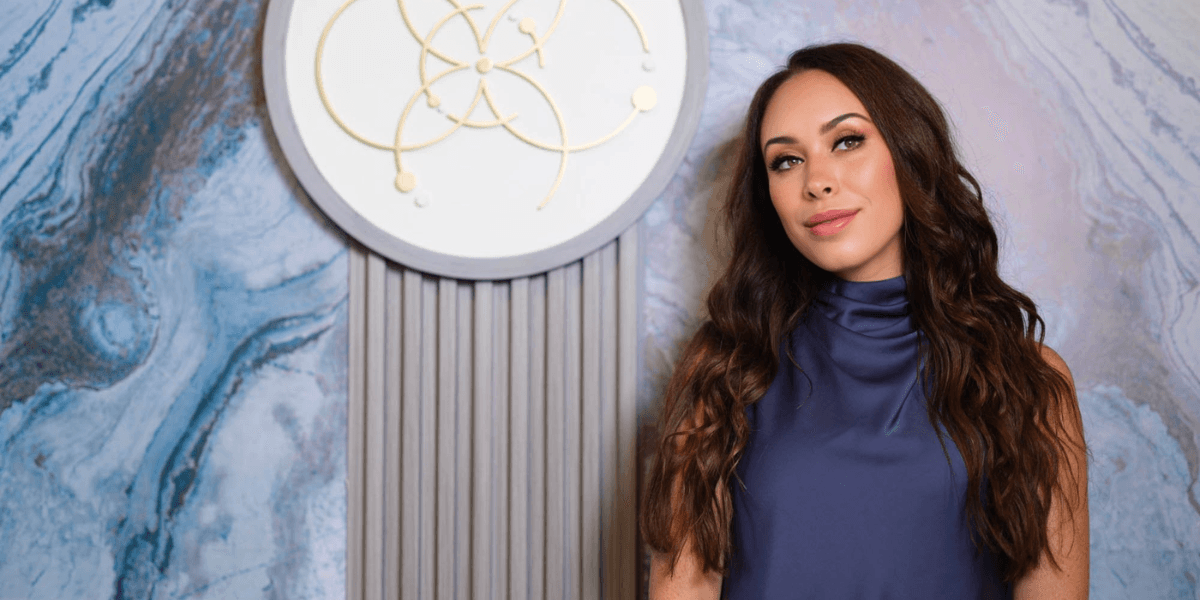
Feeling anxious, emotionally overwhelmed, or unable to concentrate can make everyday life difficult. For some women, these experiences coincide with disrupted sleep, hormonal changes, chronic health conditions, or prolonged stress. Understanding the different factors that may influence how someone feels can be an important step toward finding appropriate support.
For Carola Le-Wriedt, FDN-P, Bioenergetic Practitioner, and founder of WELLHISTIC®, that broader perspective is central to her approach to wellness. Drawing on her personal health journey and professional training, she encourages women to consider physical health alongside emotional well-being while continuing to seek appropriate medical care when needed.
Le-Wriedt's interest is rooted in experience. After years of living with Lyme disease and several co-infections, dysautonomia/POTS, severe premenstrual symptoms, and significant hormonal changes, she began exploring the connections between different aspects of her health.
Today, she works virtually with women across the United States, Canada, Australia, and Mexico. Through WELLHISTIC®, she combines wellness education, individualized routines, nutritional support, and a focus on helping women feel heard.
Looking Beyond a Single Explanation
Depression and anxiety are legitimate mental health conditions, and therapy, medication, and other evidence-based treatments help many people. Physical health factors can also influence emotional well-being, which is why persistent symptoms may warrant a broader conversation with healthcare professionals.
In her practice, Le-Wriedt considers factors such as stress, sleep patterns, hormonal changes, nutrition, blood sugar, and medical history. Some health conditions, including certain infections, can also affect energy levels and concentration.
These factors do not explain every experience of anxiety or depression. Rather than assuming a single cause, Le-Wriedt encourages women to notice patterns, ask questions, and discuss their concerns with qualified healthcare providers.
“Mindset matters. But the body has to feel safe first,” she says, describing the importance she places on supportive routines alongside appropriate care.
Her philosophy is about encouraging women to explore their experiences and participate more confidently in conversations about their health, not replacing mental health treatment with wellness practices.
When Hormones and Mood Intersect
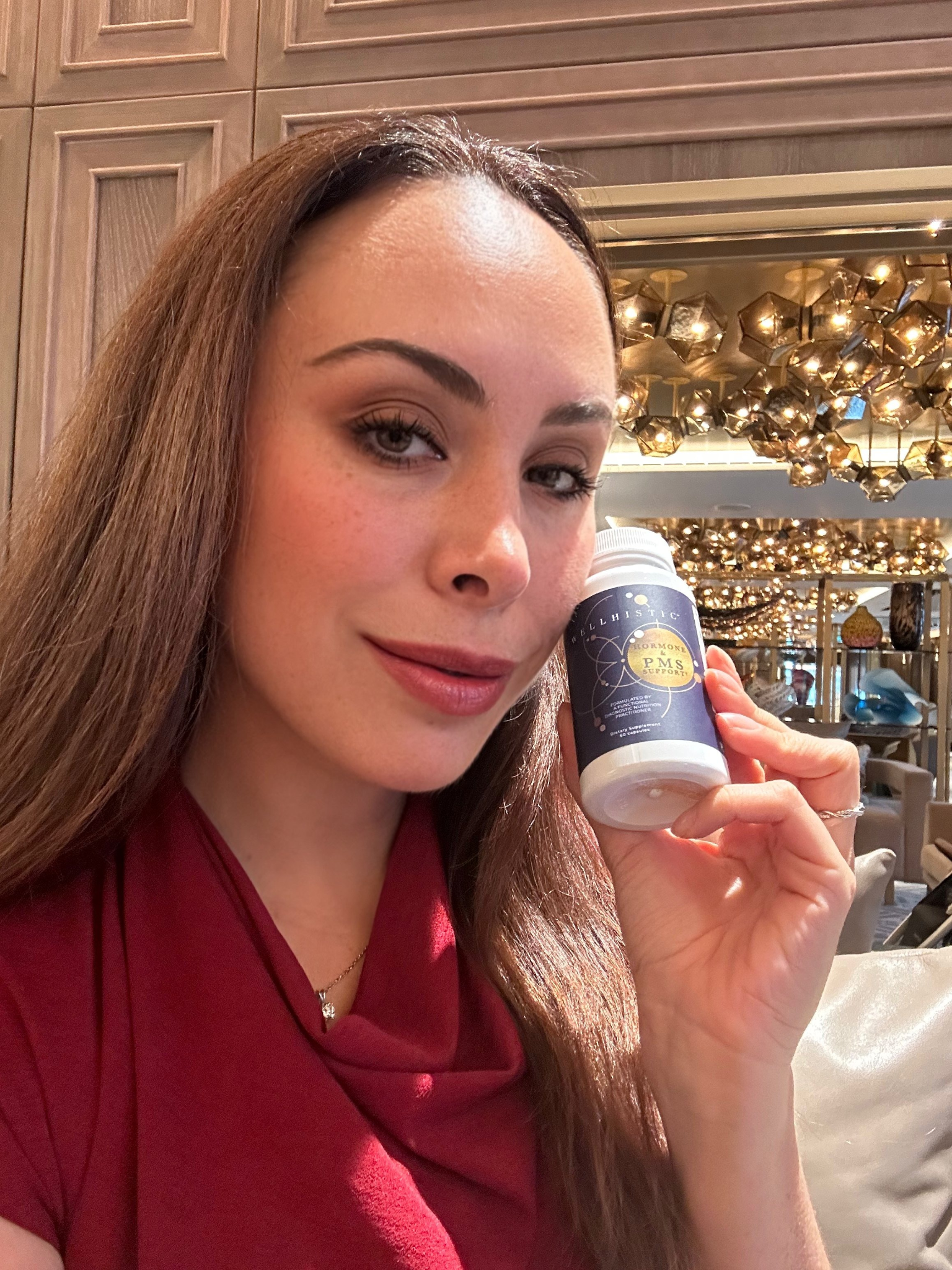
Le-Wriedt's own experience with severe premenstrual symptoms helped shape her interest in hormonal health. For more than a decade, she experienced periods of anxiety, emotional distress, migraines, and exhaustion in the days before menstruation.
“My PMS was never just PMS,” she says, reflecting on how these recurring experiences prompted her to pay closer attention to their timing.
Premenstrual syndrome (PMS) can involve physical and emotional symptoms before a period. Premenstrual dysphoric disorder (PMDD) is a more severe condition that can significantly affect daily life, sometimes involving intense sadness, anxiety, irritability, or feelings of hopelessness.
Tracking mood alongside the menstrual cycle may help women identify recurring patterns to discuss with a healthcare professional. It cannot establish a diagnosis on its own, and severe or persistent symptoms deserve appropriate assessment.
Le-Wriedt encourages women to approach these patterns with curiosity rather than self-judgment.
“If you feel like a different person one week a month, that's not a character flaw,” she says. “That's information.”
A Daily Rhythm for Wellness
Some women describe feeling restless during the day but struggling to unwind at night. Stress, disrupted sleep, and individual health circumstances can all contribute to these experiences.
Drawing on her training as a HeartMath Practitioner and Resonance Repatterning Facilitator, alongside her functional and bioenergetic practice, Le-Wriedt emphasizes the role of consistent daily habits. Her approach encourages women to build routines that accommodate both activity and rest, rather than continually adding more demands to an already overwhelming schedule.
This philosophy informs the WELLHISTIC® morning and evening routine, which features three formulas: BOOST, CALM, and Sleep Bliss.
Morning: BOOST + CALM
BOOST and CALM form the brand's morning supplement routine. They are designed to complement a broader approach to daytime wellness, alongside habits involving nutrition, sleep, and stress management.
Le-Wriedt's emphasis is on creating a more considered start to the day rather than expecting one product to resolve every challenge. Individual needs vary, and anyone considering supplements should review their ingredients, suitability, and potential interactions with a qualified healthcare professional.
Evening: Sleep Bliss
Sleep Bliss is designed for evening use as part of a wind-down routine. Le-Wriedt encourages women to make space for rest through consistent bedtime habits and a calmer transition away from daily demands.
“Women who are overwhelmed don't need twenty more steps,” she says. “They need a rhythm their body can trust.”
The intention is to keep the routine manageable. Supplements can be one consideration within a broader wellness plan, but persistent sleep difficulties may require professional assessment.
Personalized Support for Complex Health Histories
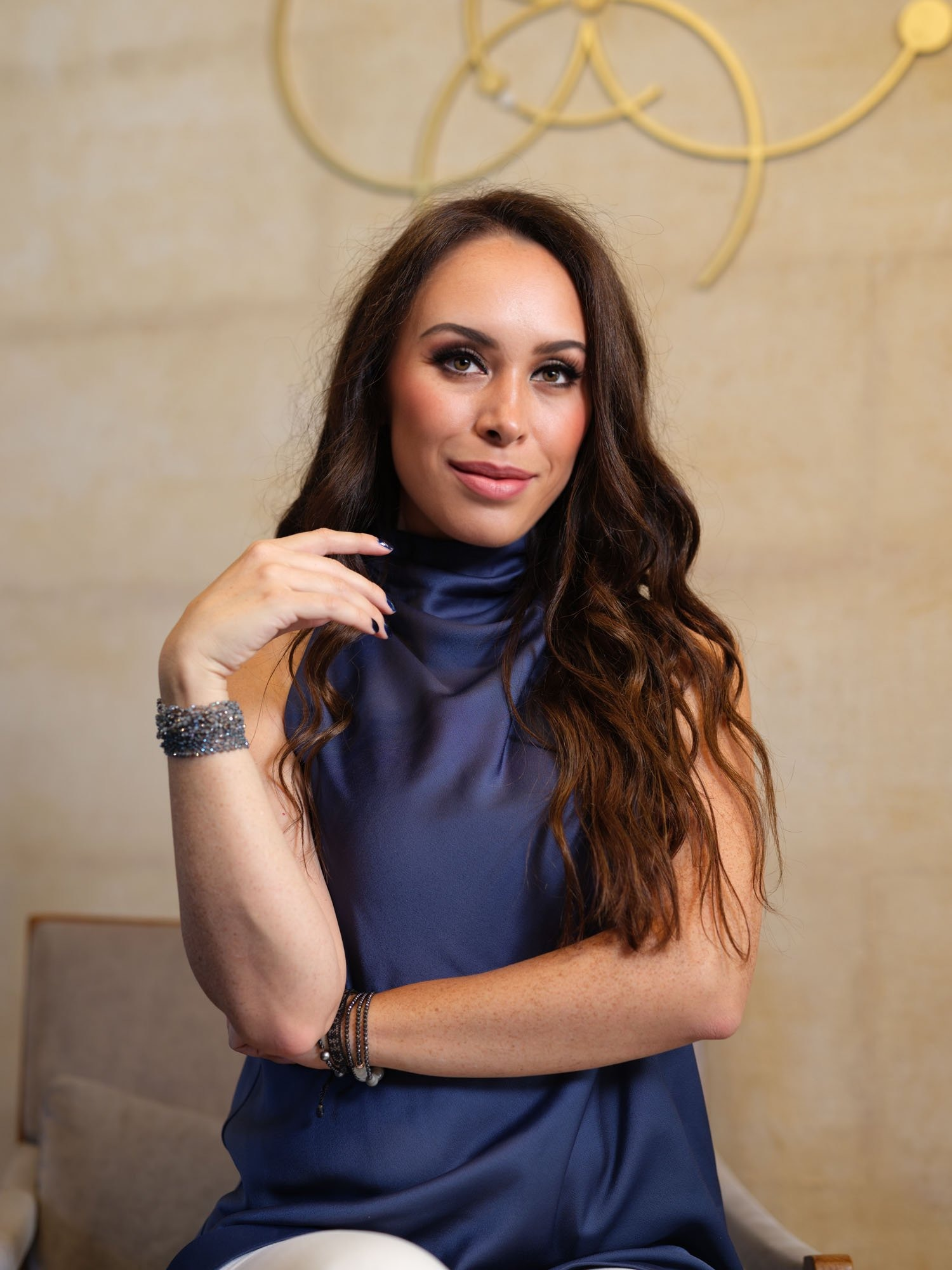
Le-Wriedt views supplements as one part of her approach, alongside education, nutrition-related guidance, and nervous-system practices. Through her virtual clinic, she offers one-on-one consultations for women seeking individualized support, including those with complex health histories or persistent symptoms.
Her process may involve reviewing a client's experiences, lifestyle factors, and symptom or menstrual-cycle patterns to help identify questions worth discussing with healthcare professionals.
Le-Wriedt also incorporates bioenergetic scanning into her complementary practice. This is part of her chosen approach and should not be confused with validated medical testing or a standalone method for diagnosing infections, hormonal disorders, nutritional deficiencies, or mental health conditions.
Depending on individual circumstances, her wellness plans may include nutrition guidance, herbal or homeopathic products, daily practices, and selected WELLHISTIC® formulas. Recommendations should account for existing treatments and possible interactions, and clients with ongoing health concerns should continue working with appropriately qualified healthcare professionals.
For Le-Wriedt, individualized support begins with listening.
“Every woman's body tells a different story,” she says. “My job is to listen to it, and to help her finally feel heard.”
Small Steps to Begin With
Alongside her wellness routine, Le-Wriedt highlights practical habits that women can consider incorporating into everyday life:
- Get morning light: Spending time outdoors after waking can support a regular sleep-wake schedule.
- Eat a balanced breakfast: Including protein and other nourishing foods can help establish a consistent morning routine.
- Try mindful breathing: A brief, comfortable breathing practice can offer a pause during stressful moments.
- Create an evening wind-down: Lower lighting, fewer distractions, and a consistent bedtime routine can help establish a calmer transition to rest.
- Track mood and cycle changes: Recording symptoms may help identify patterns to discuss with a healthcare professional.
- Make room for rest: Where possible, adjusting commitments during difficult periods can make daily demands more manageable.
These habits are starting points, not universal solutions. They should complement rather than delay professional assessment when symptoms persist or become severe.
Helping Women Feel Heard
Le-Wriedt's course, Before You Call It Depression, explores the relationship between physical health and emotional well-being. It covers subjects such as sleep, hormonal changes, PMS, and PMDD, encouraging women to learn more about their experiences and prepare informed questions for healthcare appointments.
Her central message is that women should feel comfortable discussing the full range of their symptoms without assuming that emotional difficulties have one universal explanation. Considering physical and mental health together can support a more informed conversation while keeping appropriate medical assessment at the center of care.
Carola Le-Wriedt is the founder of WELLHISTIC® and identifies professionally as a Functional Diagnostic Nutrition Practitioner (FDN-P), Bioenergetic Practitioner, Herbalist, Certified Lyme Specialist, HeartMath Practitioner, and Resonance Repatterning Facilitator. Through her virtual practice and wellness brand, she shares resources focused on education, individualized routines, and complementary approaches to well-being.
To learn more about WELLHISTIC®, visit wellhistic.com to explore BOOST, CALM, and Sleep Bliss or inquire about one-on-one consultations.
Disclaimer: This article is for informational purposes only and is not intended to promote, encourage, or provide professional medical or mental health advice. Always consult a qualified healthcare professional or trusted medical authority before making decisions related to mental health, supplements, or wellness practices, especially if doing so may have health or personal consequences. The author and publisher are not responsible for any losses, damages, or outcomes resulting from the use of or reliance on the information provided.