
Brinkmanship Abroad and Unrest at Home Shape a Tense April Day in America
The United States faced a volatile mix of international escalation and domestic disruption on April 5, 2026, as developments abroad in the Iran conflict collided with economic activism and political upheaval at home. A dramatic military rescue, renewed threats from the White House, and a coordinated nationwide strike underscored a moment of uncertainty. Meanwhile, internal administration changes and severe weather threats added further complexity to the national landscape.
White House Turmoil Continues with High-Level Shakeups
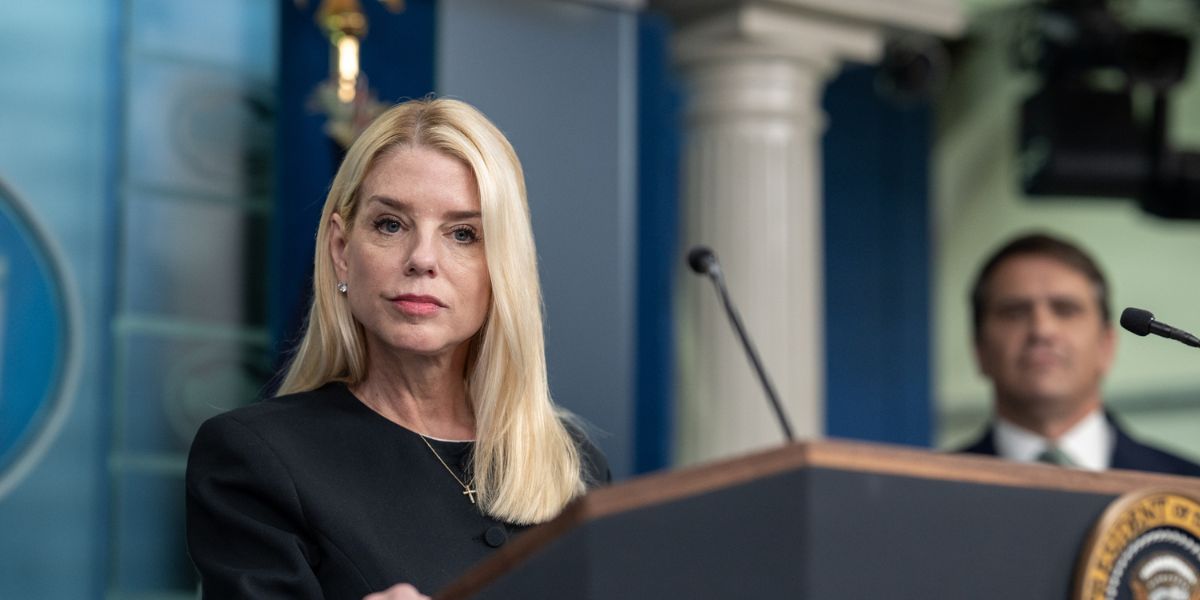
The Trump administration is undergoing significant internal changes. Attorney General Pam Bondi was recently removed from her position, marking one of the most prominent dismissals in Trump’s second term. The move reflects ongoing tensions within the administration, particularly as legal and political pressures mount.
Bondi’s departure follows criticism tied to high-profile investigations and broader dissatisfaction within the president’s inner circle. Additional reports suggest that other senior officials, including intelligence leadership, may also face scrutiny or replacement amid disagreements over national security policy, particularly regarding Iran.
These changes come as the administration pursues aggressive economic policies, including steep tariffs on pharmaceutical companies and efforts to reshape federal priorities in light of mounting geopolitical conflicts.
U.S.-Iran Conflict Intensifies After Daring Military Rescue
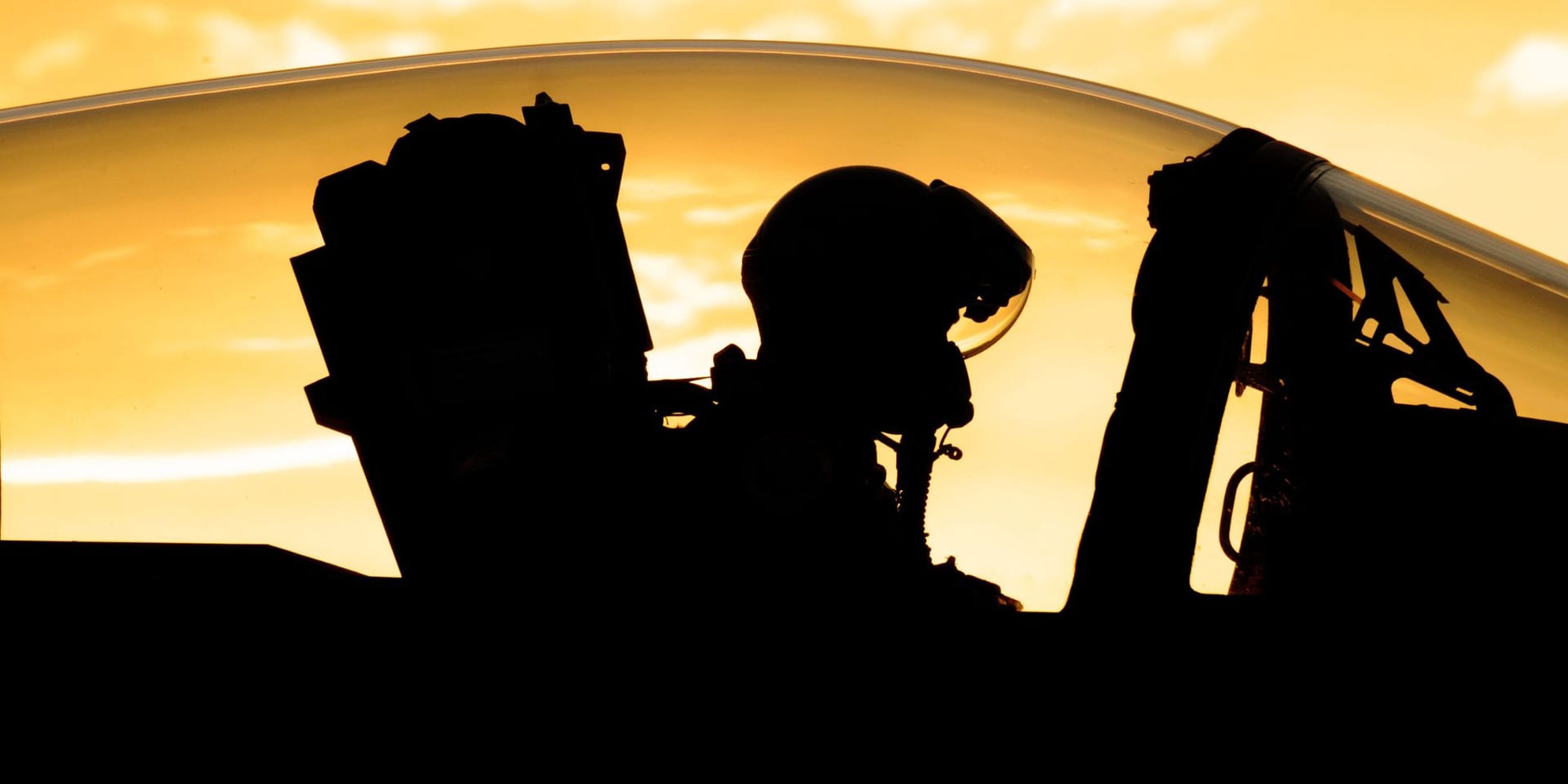
Tensions between the United States and Iran escalated sharply following the successful rescue of a downed American aviator deep inside Iranian territory. President Donald Trump confirmed the operation early Sunday, describing the rescued service member as seriously wounded but alive after a high-risk mission.
The rescue came after Iran shot down a U.S. F-15E fighter jet, marking a significant development in the ongoing conflict that began in late February. The operation itself was fraught with danger, with reports indicating that additional U.S. aircraft were lost or destroyed during the mission, either due to enemy fire or technical malfunction.
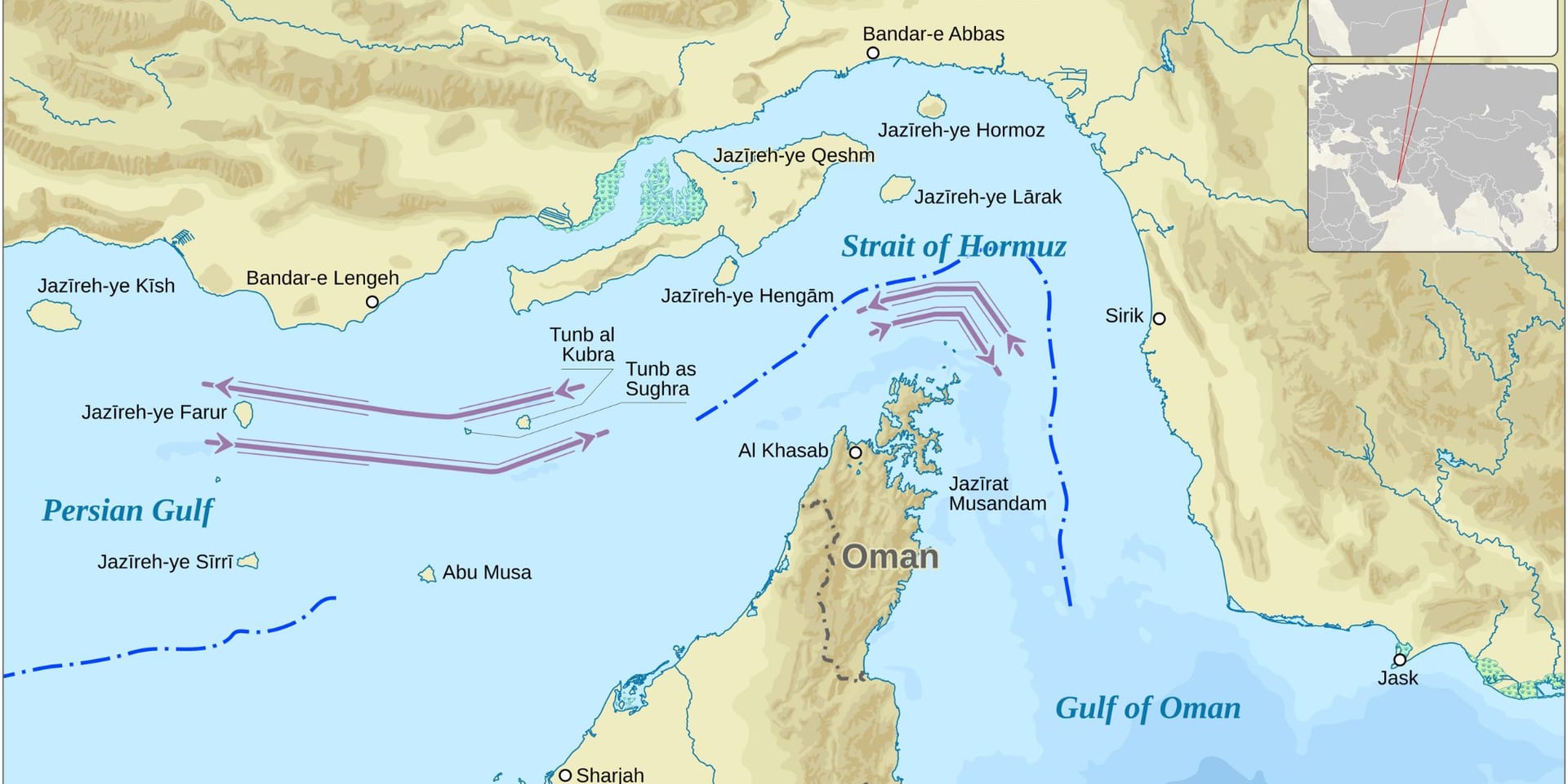
In response, Trump issued stark warnings to Tehran, threatening to target critical infrastructure such as power plants and bridges if Iran does not reopen the Strait of Hormuz. The waterway remains a vital artery for global oil shipments, and its closure has already rattled energy markets and heightened fears of a broader regional war.
Nationwide Strike Aims to Disrupt Economic Activity
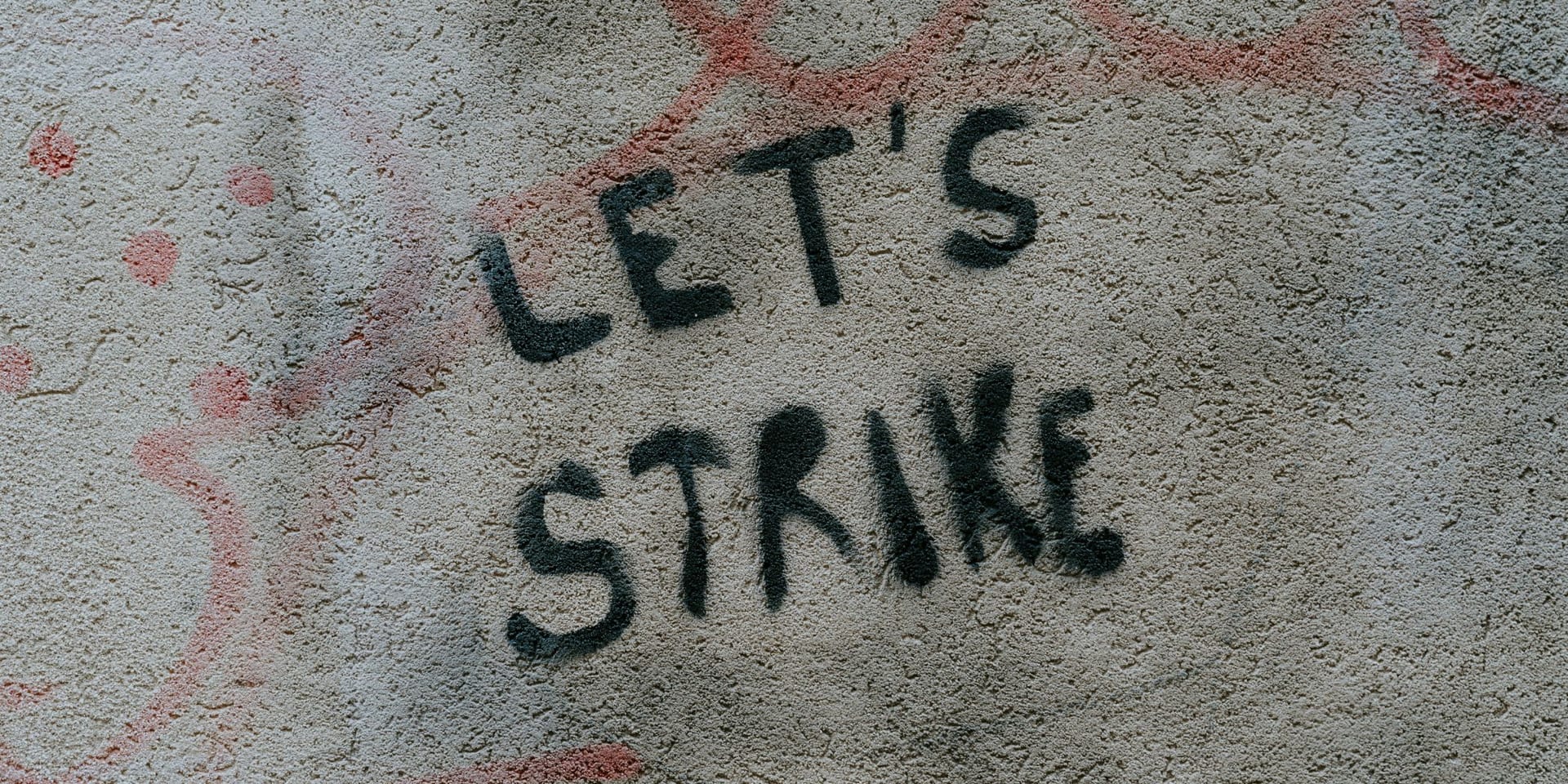
Across the country, a coordinated nationwide strike—dubbed “General Strike 2026”—has mobilized workers and activists in an effort to exert economic pressure. Organizers have called on Americans to stay home, avoid large corporations, and reduce spending as part of a broader protest movement.
The strike is intended as an escalation of earlier actions and reflects growing dissatisfaction with economic inequality, labor conditions, and corporate influence. While participation levels vary by region, the movement has the potential to disrupt workplaces, schools, and consumer activity in key areas.
Though its full impact remains uncertain, the strike highlights a rising wave of grassroots activism and signals deeper economic anxieties among segments of the population.
Severe Weather Threatens Millions Across Central U.S.
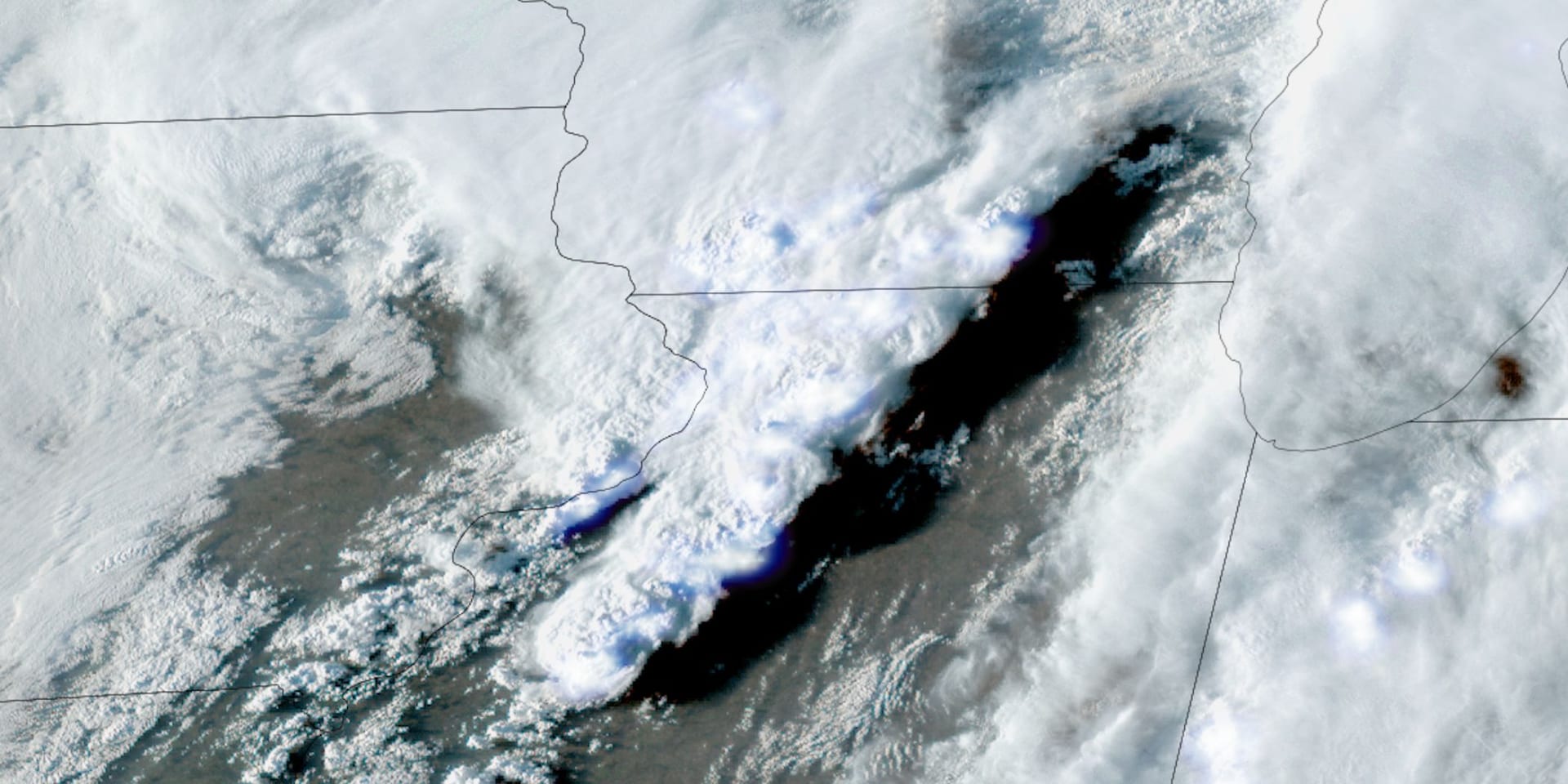
At the same time, millions of Americans are bracing for severe weather as a powerful spring storm system sweeps across the Plains and Midwest. Meteorologists warn of heavy rainfall, flash flooding, and the potential for tornadoes in multiple states.
The system has already produced damaging winds and large hail in parts of the Midwest, with forecasts indicating continued instability in the coming days. Some regions could see significant rainfall totals, raising concerns about flooding in urban and rural areas alike.
Emergency management officials are urging residents to remain vigilant as the storm system progresses eastward, potentially affecting tens of millions more.
Economic and Market Pressures Mount Amid Global Instability
The ongoing conflict in the Middle East and domestic policy shifts are contributing to broader economic uncertainty. Oil prices have risen in response to disruptions in the Strait of Hormuz, while markets remain sensitive to geopolitical developments and trade policies.
The administration’s proposed tariffs on pharmaceutical companies and shifting fiscal priorities have also raised concerns among economists about inflation and long-term growth. At the same time, global instability is compounding challenges for U.S. businesses and consumers, particularly in energy and healthcare sectors.
These economic pressures are unfolding alongside the nationwide strike, further underscoring the fragile balance between policy decisions, global events, and domestic sentiment.
Looking Ahead
As the week begins, attention will remain fixed on whether the U.S. and Iran move closer to direct confrontation or diplomatic resolution, particularly ahead of the administration’s deadline regarding the Strait of Hormuz. Domestically, the impact of the nationwide strike and the extent of participation will offer insight into the strength of grassroots economic movements. Meanwhile, severe weather conditions and continued political reshuffling in Washington are likely to keep the nation on edge in the days ahead.