
Markets Rebound as War Tensions Simmer and Economic Pressures Mount
The final day of March 2026 brought a complex mix of cautious optimism and persistent uncertainty across the United States. Financial markets showed signs of recovery even as geopolitical tensions in the Middle East continued to influence energy prices and domestic economic conditions. Meanwhile, social movements, cultural developments, and shifting consumer pressures reflected a nation navigating both global instability and internal change.

Wall Street Rallies Amid Hopes of De-escalation
U.S. stock markets surged on March 31, with the S&P 500 jumping more than 1.6% as investors responded to signals that tensions in the Iran conflict could ease. Technology stocks led the gains, helping offset what has otherwise been one of the most difficult quarters for markets in recent years.
Despite the rally, the broader picture remains fragile. Major indexes are still down significantly for the quarter, reflecting prolonged volatility driven largely by geopolitical instability and rising energy costs. Analysts note that investor sentiment is highly reactive to developments in the Middle East, underscoring how closely global conflict is tied to domestic financial performance.

Iran Conflict Continues to Shape U.S. Policy and Markets
The ongoing war involving Iran remains the dominant force shaping U.S. foreign policy and economic outlook. Defense officials indicated that recent days have seen fewer projectiles launched, suggesting a potential shift in the conflict’s intensity.
At the same time, President Donald Trump has signaled both aggressive and conciliatory positions, including suggestions of seizing key Iranian oil infrastructure while also hinting at possible agreements with Tehran. These mixed signals have contributed to volatility in global oil markets, with prices remaining elevated and continuing to impact U.S. inflation and consumer costs.
Rising Mortgage Rates Add Pressure to Housing Market
Economic strain is increasingly visible in the housing sector, where mortgage rates climbed to a six-month high. The average 30-year fixed mortgage reached 6.61%, reflecting inflation concerns tied in part to the ongoing conflict and elevated energy prices.
Higher borrowing costs are complicating affordability for homebuyers and dampening refinancing activity. Economists warn that persistent inflation could prompt further Federal Reserve action later in the year, adding another layer of uncertainty for both consumers and investors. While rates remain below peaks seen in previous years, the upward trend signals continued pressure on household finances.
Mass Protests Signal Deep Political Divisions
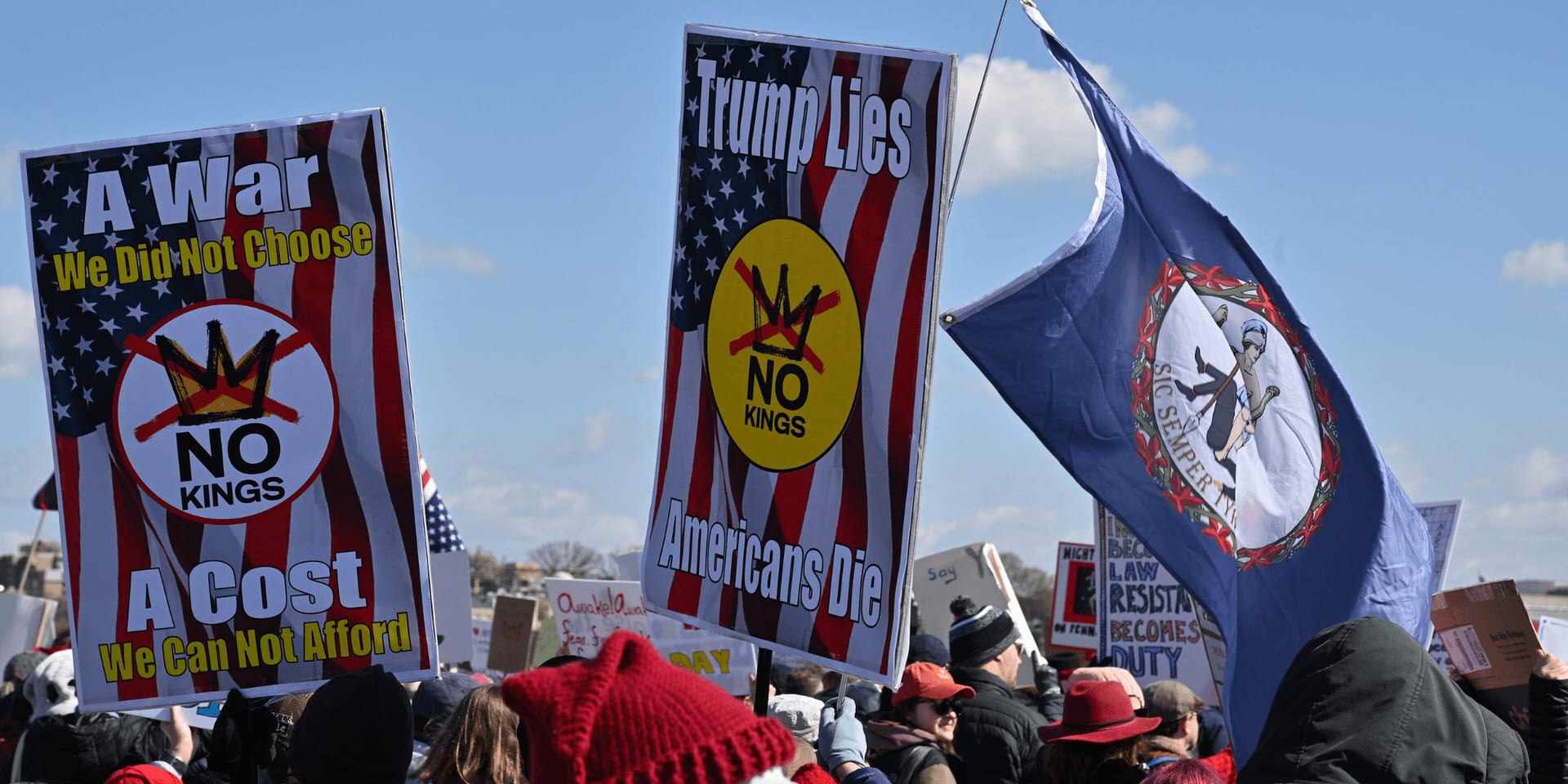
Domestically, the aftermath of the massive “No Kings” protests continues to reverberate. The demonstrations, which drew an estimated eight to nine million participants nationwide just days earlier, marked the largest single-day protest in U.S. history.
The protests reflect widespread opposition to policies of the current administration, including immigration enforcement actions and the handling of the Iran war. Their scale underscores the depth of political polarization in the country, with activists signaling that further demonstrations are likely in the months ahead as the 2026 election cycle intensifies.

Cultural and Consumer Developments Round Out the News Cycle
Beyond politics and economics, cultural and consumer news also shaped the day. Bruce Springsteen launched a highly anticipated U.S. tour, framing it as a celebration of democratic values amid a tense political climate.
At the same time, Americans are contending with rising gas prices—now exceeding $4 per gallon nationally—as well as broader cost-of-living concerns tied to inflation. Even as major retail events like Amazon’s spring sale conclude, consumer spending habits are increasingly influenced by economic uncertainty.
Adding a moment of scientific intrigue, a geomagnetic storm is expected to produce visible northern lights across parts of the United States, offering a rare natural spectacle that contrasts with the day’s heavier news.
Looking Ahead
As April begins, attention will remain fixed on developments in the Iran conflict and their ripple effects across global markets and domestic policy. Investors will watch for signs of sustained market stabilization, while policymakers face mounting pressure to address inflation and economic strain. Meanwhile, the scale of recent protests suggests that political tensions at home are unlikely to ease, setting the stage for a consequential and closely watched spring in American public life.